


UHS integrates six life-saving skills into core curriculum for health
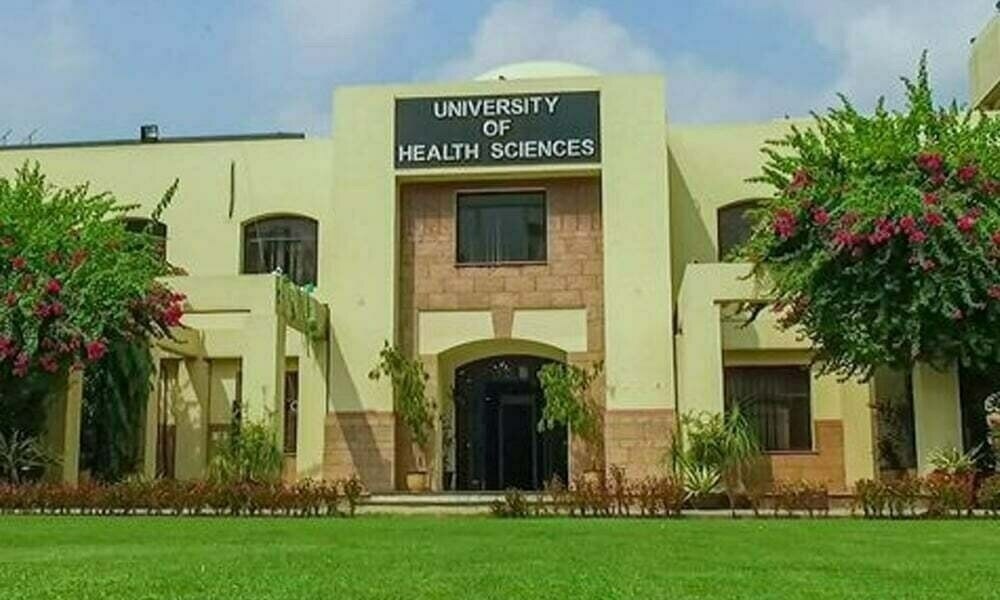

LAHORE: The University of Health Sciences (UHS) Lahore has become the first institution in Pakistan to formally integrate six essential life-saving skills into the core curriculum of all health-related undergraduate programmes.
Starting this academic year, students of medical, dental, nursing, and allied health sciences will be required to undergo training in these skills, including CPR, before they are allowed to sit for their final professional examinations.
The six courses now compulsory for all students are: Cardiac First Response / Basic Life Support (Adult & Paediatric), Immediate Care Cardiac / Advanced Life Support Cardiac, Immediate Care Trauma / Advanced Life Support Trauma, Emergency Triage Assessment and Treatment (ETAT), Emergency Neonatal Care / Neonatal Resuscitation, and Emergency Obstetrics and Neonatal Care (EMONC).
According to UHS, as many as 25,000 students from around 200 affiliated colleges will be trained annually, enabling them to provide emergency aid during cardiac arrests, accidents, and deliveries, potentially saving lives even before professional help arrives.
The launch ceremony of the faculty training workshops was held here on Wednesday. Leading paediatrician Prof Sajid Maqbool was the chief guest. Speakers included UHS vice-chancellor Prof Ahsan Waheed Rathore, University of Child Health Sciences vice-chancellor and President of the Pakistan Paediatric Association (PPA) Prof Masood Sadiq, UHS pro-vice-chancellor Prof Nadia Naseem and Director of Professional Skills Development Prof Sarah Ghafoor.
International health partners, including WHO Deputy Representative in Pakistan Ellen Mpangananji Thom and UNICEF Pakistan Health Manager Dr Safina Abdullah, addressed the gathering virtually. Ellen Mpangananji Thom noted that Pakistan currently has the highest neonatal mortality rate in the world and called the UHS initiative an essential step towards reversing this trend. “Every life matters. Standardized and structured training for healthcare providers is key,” she said.
Dr Abdullah called the programme a “reunion of heart and mind for a common cause to save lives”, echoing the Quranic verse: “Whoever saves one life, it is as if he saved all of humanity.” She said this curriculum reform, now formally adopted, deserves applause and is expected to create a ripple effect across the health sector.
UNICEF Punjab’s Health Team Lead, Dr Quratulain Ahmed, lauded the UHS for fulfilling a promise made two years ago to incorporate neonatal resuscitation into the academic syllabus. “This is not the work of weeks but of decades. Thanks to these efforts, the neonatal mortality rate in Punjab has dropped from 41 to 38 per 1,000 live births,” she said.
Copyright Business Recorder, 2025


























Comments
Comments are closed for this article.