


EDITORIAL: In response to Indian Deputy Army Chief Lieutenant General Rahul Singh’s recent claim that China provided “live impetus” to Pakistan during the four-day military confrontation last May, Pakistan’s Army Chief Field Marshal Syed Asim Munir has categorically dismissed the assertion as “irresponsible and incorrect.”
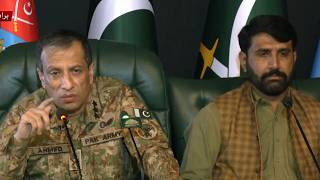
Speaking at the National Defence University, he described India’s attempt to implicate other nations in a purely bilateral conflict as a “shoddy attempt” at camp politics, especially given India’s position as a member of the Quad, a US-led security alliance focused on countering China’s influence in the Indo-Pacific region.
The Field Marshal further criticised India’s attempts to position itself as the “net security provider” in a region increasingly wary of its hegemonic ambitions and extremist Hindutva ideology. China also weighed in on the matter, with its Foreign Ministry issuing a statement on Monday affirming that its defence and security cooperation with Pakistan is part of normal bilateral relations and does not target any third party.
India’s efforts to deflect responsibility for its setbacks during the conflict are not only an attempt to salvage national pride but also a reflection of a deeper miscalculation in its military capabilities and strategic posture.
The confrontation, which escalated rapidly, saw India launching missile and drone strikes deep into mainland Pakistan, blatantly disregarding international law. Prime Minister Narendra Modi, accusing Islamabad without evidence of involvement in the April 22 Pahalgam terrorist attack, referred to the unprovoked strikes as the “new normal.”
Expecting to gain an upper hand with its newly acquired Rafale jets and other advanced Western weaponry, India was caught off guard by Pakistan’s swift and effective response. Not only did Pakistan repel the missile and drone assaults, but it also downed six Indian aircraft, including three of India’s prized Rafale jets. This is particularly significant given that in 2019, after India’s airstrike on Balakot in Khyber Pakhtunkhwa, Prime Minister Modi had lamented that had India possessed Rafale jets at the time, “the result would have been different.”
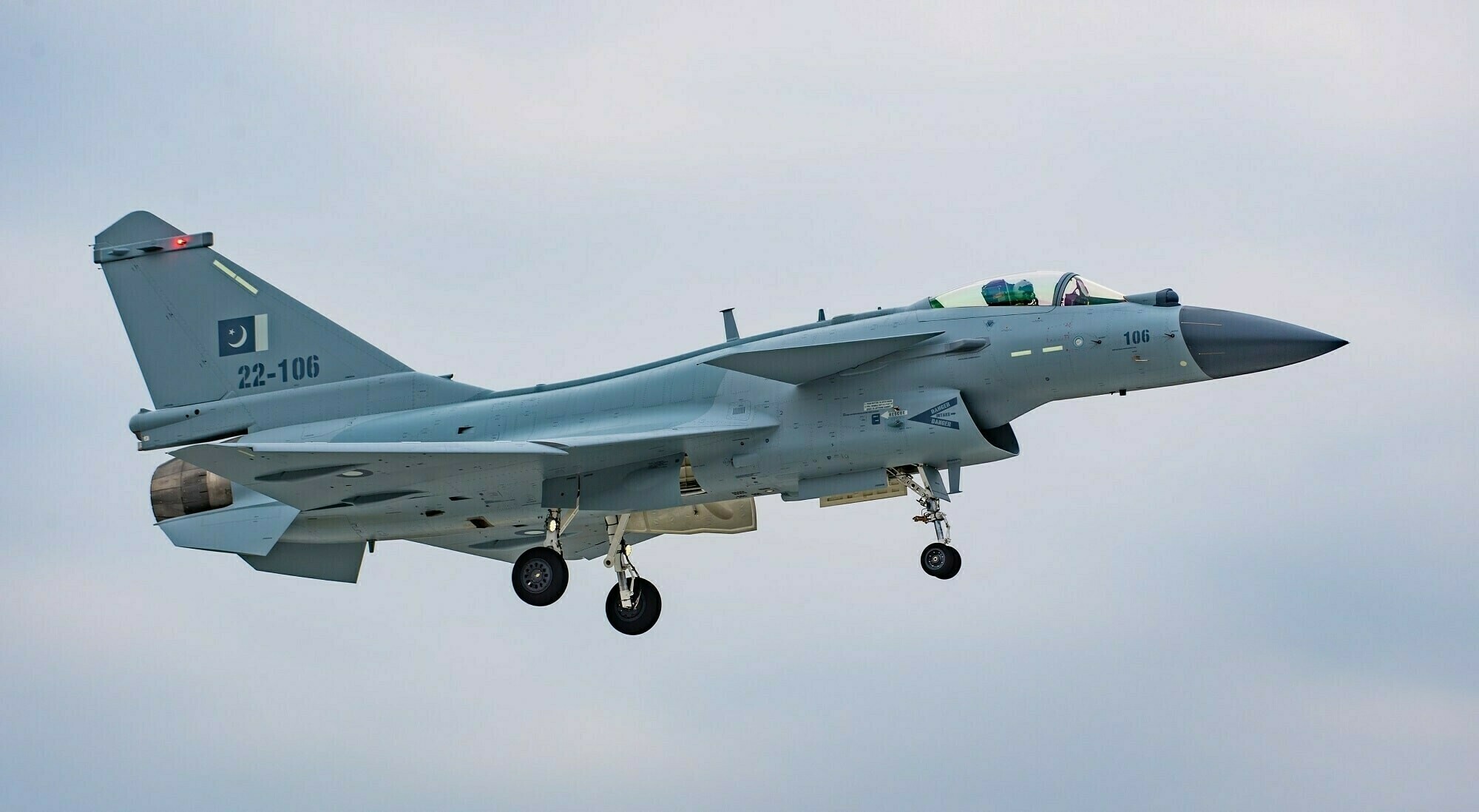
While India had bolstered its military capabilities with cutting-edge Western technology, Pakistan deployed J-10C fighters armed with PL-15 beyond visual range (BVR) missiles, obtained from its strategic partner, China. Pakistan also integrated AI-driven systems into its defence network, attaining a clear tactical advantage in real-time combat situations.
Pakistan has consistently demonstrated its military prowess in past conflicts over Kashmir, and this latest confrontation further solidified its operational capabilities. Lt-Gen. Singh’s claim of Chinese involvement in the bilateral conflict is not only an attempt to deflect attention but also an indication of India’s unwillingness to confront its own strategic miscalculations. By pointing to China, India hopes to maintain the narrative of its military superiority.
However, such diversionary tactics will only go so far. Both the international community and astute domestic observers can see through the official rhetoric, recognising that the real issue lies in India’s overconfidence and its failure to accurately assess its own military limitations.
Copyright Business Recorder, 2025























Comments
Comments are closed for this article.