


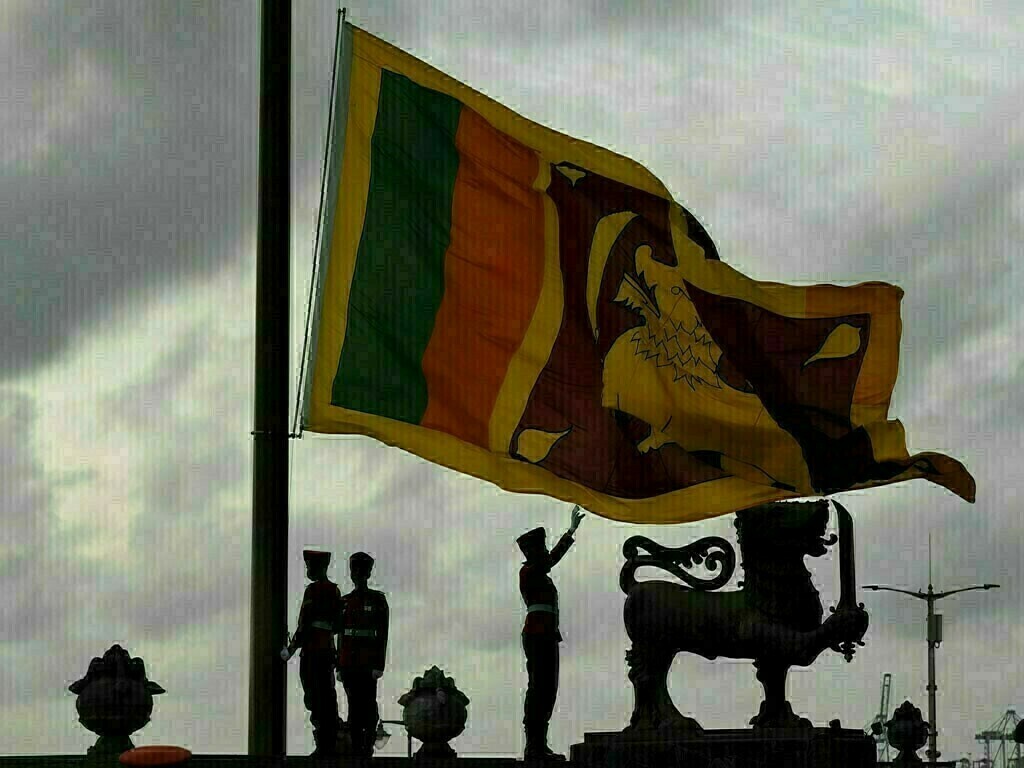

COLOMBO: Sri Lanka’s president on Monday vowed to press ahead with unpopular reforms, including the closure of loss-making state institutions, as official data showed economic expansion slowing down.
President Anura Kumara Dissanayake said maintaining the country’s 1.5 million-strong public service was unsustainable and that there would be cutbacks.
Addressing an IMF-backed review of the country’s economic recovery from the unprecedented meltdown of 2022, the leftist president said he has identified several state institutions to be shut down.
“We have already decided that certain state institutions should be closed,” Dissanayake said, without naming them.
“These institutions were established in response to the socio-economic needs of a bygone era, which are no longer relevant.”
Sri Lanka to discuss with IMF about measures to attract foreign investment, president says
He added that the government would retain its hold on the energy and financial sectors, which he considered “sensitive to the economy.”
Dissanayake’s remarks came as the census department said the country’s economy expanded by 4.8 percent in the first quarter of this year, down from 5.4 percent in the previous quarter and 5.3 percent a year ago.
The island’s worst economic performance was in 2022, when GDP shrank by 7.3 percent after the country ran out of foreign exchange to finance even the most essential imports such as food and fuel.
After two consecutive declines in GDP in 2022 and 2023, Sri Lanka’s economy recorded positive growth of 5.0 percent in 2024, indicating the country was emerging from its worst crisis.
Months of shortages led to street protests that eventually forced then-president Gotabaya Rajapaksa to step down in July 2022.
His successor, Ranil Wickremesinghe, secured a $2.9 billion, four-year bailout loan from the IMF.
However, Wickremesinghe lost the September elections to Dissanayake, who has done a U-turn on his election pledges to renegotiate the terms of the bailout and has maintained austerity.
Dissanayake said he was committed to reforms in line with the International Monetary Fund’s prescriptions and hoped it would be the island’s last bailout.
The current IMF bailout is its 17th.
“By the year 2028, we aspire to build a stable economy with sufficient growth to service our debt independently,” he said.
Dissanayake has signed off on a controversial debt restructuring his predecessor had agreed with both bilateral and private creditors.

























Comments
Comments are closed for this article.