


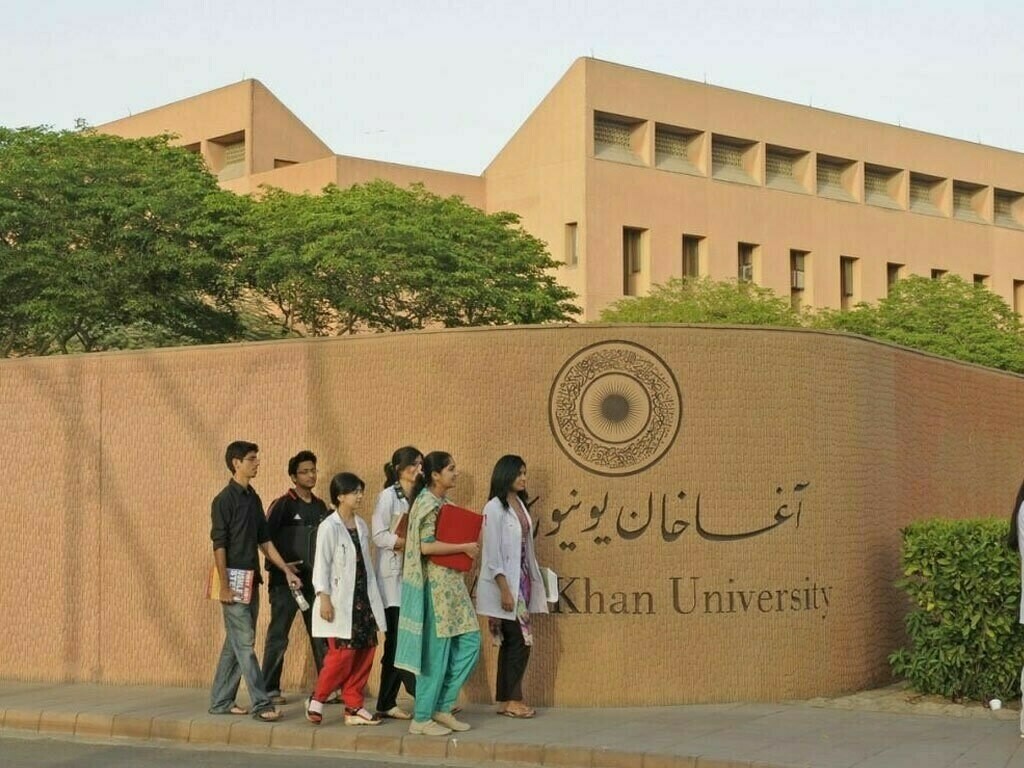

Karachi: The Aga Khan University (AKU) hosted a dynamic, student-led simulation of the Model-World Health Organisation assembly (M-WHO) for the first time.
The two-day summit, organised by the Office of the Associate Dean for Graduate Studies and endorsed by the WHO, was led by AKU’s Graduate Education Student Society (AGESS). It enabled students from various disciplines to engage in meaningful dialogue and debate some of the most pressing global health challenges.
AKU’s longstanding partnership with the WHO provided the perfect backdrop for the event, offering students unique exposure to the global health governance. The event focused on critical health issues, including Universal Health Coverage, Pandemic Resilience, Climate and Health, and Gender Health Equity.
The participants worked in committees for developing resolutions and strategies to address global challenges, with a particular emphasis on how policies can be shaped to improve the health of populations worldwide.
Students also engaged in informal lobbying, negotiation and the formation of blocks. Following these discussions, committees worked on drafting resolutions, carefully considering how to address the assigned debate questions. The final stage involved consensus building and voting on resolutions, after a robust exchange of ideas.
Dr Luo Dapeng, WHO’s Country Representative for Pakistan and the Chief Guest, emphasised the importance of collaboration in solving global health problems. “It’s essential to recognise that people’s health is interconnected across borders. The Model WHO event helps us see how young minds can contribute to innovative solutions.”
“By thinking through issues, exchanging ideas, understanding the positions of other nations, crafting resolutions and drafting position papers, our students get a glimpse into the practical world that governments function in,” said Dr Adil Haider, Dean at AKU’s Medical College. “Learning the softer skills of debating, negotiating, conflict resolution, diplomacy, teamwork, and policy creation is critical for leaders and excelling in them will give our students the confidence to affect meaningful change.”
Professor Shahid Shamim, Associate Dean for Graduate Studies said, “AKU Model-WHO is an innovative learning experience where students from diverse backgrounds can learn together in a safe and conducive learning environment.” He added that the event proved to be a valuable learning experience, and in the future, it will be expanded to include students from other institutions. Awards for best delegates and position papers were distributed among students for their performance during the event.
Copyright Business Recorder, 2025

























Comments
Comments are closed for this article.