


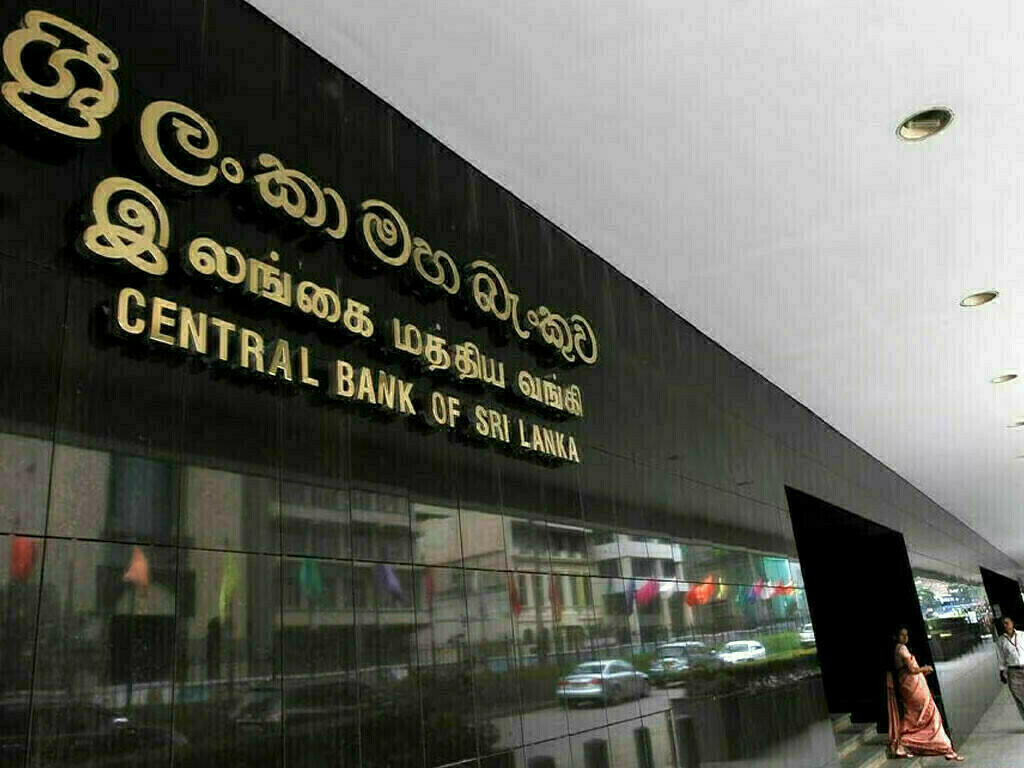

COLOMBO: Sri Lanka’s central bank kept interest rates steady on Tuesday, in line with market expectations, forgoing a rate cut as a new tax threatened upward pressure on expenses and fuelled concerns about inflation.
The Central Bank of Sri Lanka (CBSL) maintained the Standing Deposit Facility Rate at 9% and the Standing Lending Facility Rate at 10%, as predicted in a Reuters poll.
The central bank said the decision was aimed at maintaining inflation at the targeted level of 5% over the medium term, while enabling the economy to reach its potential.
“The Board took note of the effects of the recent developments in taxation and supply-side factors that are likely to pose upside pressures on inflation in the near term,” it said in a statement, adding that any such uptick in inflation this year was expected to be short-lived.
The central bank slashed interest rates by 650 basis points last year as Sri Lanka’s economy began a painful recovery from its worst financial crisis in more than seven decades, helped by a bailout by the International Monetary Fund (IMF).
Improvements in the economy need to be translated into improved living conditions for Sri Lankans, the IMF said last week, wrapping up a technical staff visit to the country.
At the start of 2024, the island nation raised its value added tax (VAT) to 18% from 15% to meet revenue targets under the four-year $2.9 billion IMF programme.
That could spark a renewed rise in Sri Lanka’s key inflation rate, which had eased to 4% at the end of 2023 from a high of 70% in September 2022.
The central bank expects the VAT increase to add 2 percentage points to the inflation rate, while analysts predict it will add up to 4 percentage points.
Sri Lanka central bank to consider a single policy rate mechanism
“The uptick in inflation is rightly explained as caused by transitory factors of weather impacts on food prices and tax changes.
And they find the rate cuts already done as sufficient to cause interest rates to ease further in the current context,“ said Thilina Panduwawala, head of research at Frontier Research.
Past monetary policy easing measures and a decline in the risk premium on government securities have created further space for market lending interest rates to decline, the central bank said.
Sri Lanka will need to secure agreements with creditors in the next few months to get past the second review of the IMF programme, due in the first half of 2024.
The country’s total external debt is $36.4 billion, according to the latest data released by the finance ministry.
Panduwawala expects the central bank to forgo any further easing for the time being “unless there are some visible delays on external debt restructuring”.
“Rates of government securities will keep coming down, especially in the short term and risk premia will keep adjusting down with the improvements in the fiscal position and completion of external debt restructuring,” said Udeeshan Jonas, chief strategist at equity research firm CAL Group.

























Comments
Comments are closed for this article.