


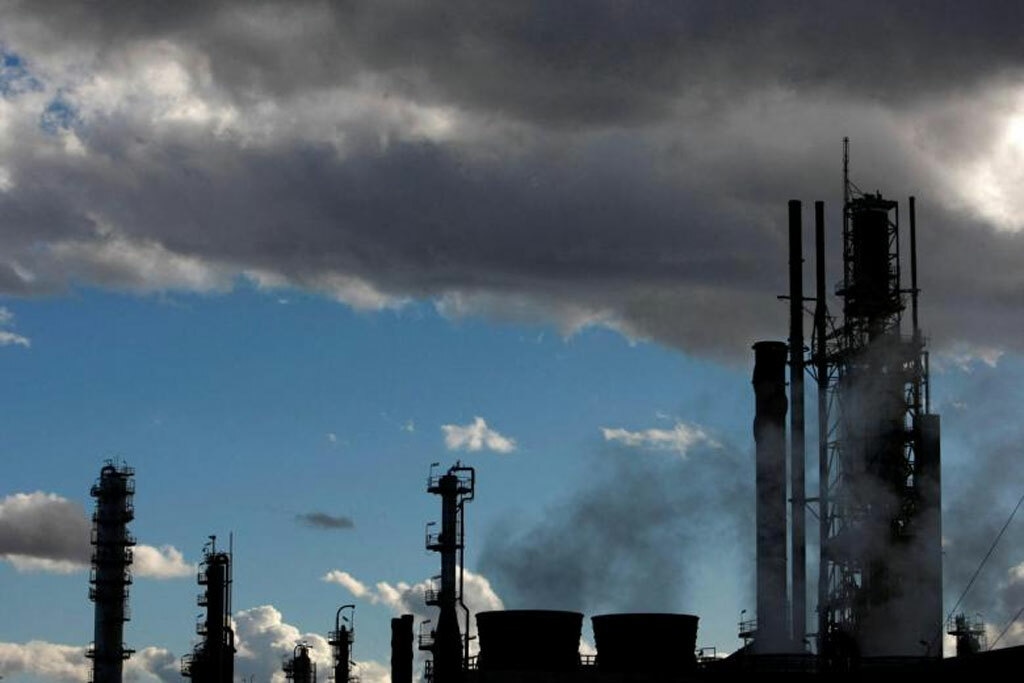

SYDNEY: Australia's largest energy firm and biggest carbon emitter AGL on Monday rejected a takeover bid from green-minded tech billionaire Mike Cannon Brookes, who planned to shutter the firm's coal-fired power plants.
Atlassian co-founder Cannon Brookes had teamed up with Brookfield Asset Management to offer US$5.8 billion for the electricity production and distribution firm with a view to shutting major coal power plants 15 years early.
Cannon Brookes has long been vocal in his criticism of the Australian government's pro-coal policies and the energy industry's lack of ambitious climate goals.
The bid would have seen AGL move much more rapidly to decarbonisation, including by shutting coal power plants by 2030 -- rather than 2045 as currently planned.
Oil slips on Ukraine summit plan, prospect of Iran nuclear deal
But AGL's board decided the unsolicited offer, which priced the firm at 4.7 percent more than Friday's closing stock price of AUS$7.16, undervalued the company and was "not in the best interests" of shareholders.
Cannon Brookes said that decision was "disappointing" but he vowed to press ahead with efforts to acquire the firm.
"I've long said that decarbonisation is the greatest economic opportunity facing Australia, but it requires vision and action," he told public broadcaster ABC.
He said the takeover could benefit AGL's 4.5 million customers and the environment.
"We strongly believe it will result in lower bills for consumers, we can fund this transition ourselves and we can build out the replacement capacity," he said.
"We'll create far more jobs... and obviously the emissions are far lower," he added. "AGL is the largest emitter in the country, it represents over eight percent of Australia's emissions."
Despite widespread support for climate action, Australia's conservative Prime Minister Scott Morrison has dragged his feet on emissions targets and pledged taxpayer cash to fund new fossil fuel projects -- despite experts saying they are no longer economically viable.
Several coal mines and plants are also located in fiercely contested electoral seats, meaning both the government and the opposition Labor party have tried to avoid irking coal-backing voters.
But the market is increasingly leaving them and politicians in Canberra behind.
AGL rival Origin Energy recently decided to shut Australia's largest coal-fired power plant in 2025 -- several years sooner than planned -- saying the facility is no longer viable given the low cost of renewables.
Origin Energy told investors the "influx of renewables" was "undermining the economics" of the vast decades-old Eraring plant just north of Sydney.
Australia is one of the world's largest exporters of both gas and coal, but the country has also been on the sharp end of climate change, with droughts, deadly bushfires and bleaching events on the Great Barrier Reef becoming more common and more intense as global climate patterns change.

























Comments
Comments are closed for this article.