



And, it has finally arrived! After sugar, wheat, and vegetable crises, the country is now in the throes of a poultry price spiral, going by advertisements by industry associations in the media. Is it mismanagement galore, or does the PTI government never seem to run out of bad luck?
The rollercoaster ride of poultry prices – ever since Covid-19 led lockdown ensued in late March 2020, has been adequately covered in this space. (For background primer, read “Poultry Prices: Lockdown confusion?”, published on 06 June, 2020; ‘Broiler prices: time for a rebound?’, published on 09 September, 2020; and, ‘Will poultry prices ever decline’, published on 07 December, 2020).
That poultry prices had to run amok – in either direction – in absence of demand stability was an inevitable outcome, as regular readers of this space would appreciate. Domestic poultry value chain lacks requisite infrastructure of storage and warehousing to cope with periods of lull in demand. Because poultry birds have a limited lifecycle (that’s how nature meant it to be), in absence of inventory storage and uncertain demand outlook, the raw material – day old chicks – are culled, leading to routine shocks in supply, every time demand/consumption restores.
Thus, short of creating a cold storage value chain out of thin air on war footing - PTI – or any regime for that matter – could have done precious little to control the volatility of poultry prices. However, the fact that volatility has disproportionately favored the bulls warrants attention.
Understanding that would require stepping back and analyzing the supply chain of poutry industry, where cost of production is dominated by feed cost, but more significantly cost of maize and soybean. As more than 90 percent of domestic soybean demand is fulfilled through imports, the lack of domestic soybean crop deserves a separate column of its own. But let’s first address the maize crop.
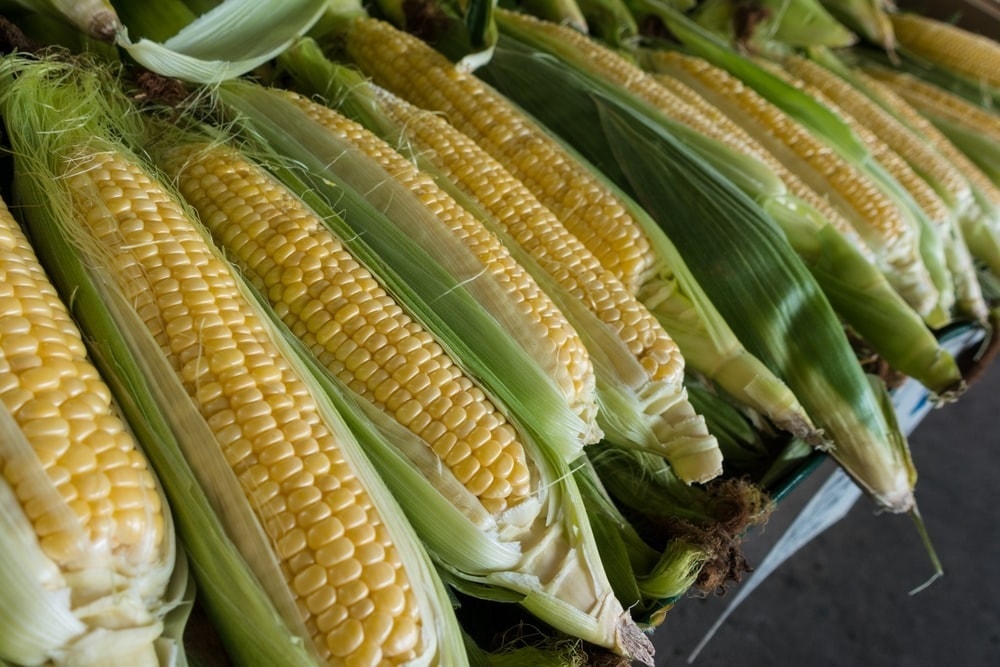
Over the last decade, maize crop has been the star performer of Pakistan’s major cash crops, backed by investment from multinational biotech companies in hybrid seed technology during 1990s and 2000s. But 2020 has been unique for maize crop, which suffered at the hands of policymaking indifference to the perpetual predicament of Pakistani farmers.
Why? Because the harvest of maize crop in March – April coincided with the beginning of nationwide lockdown at that time. As commercial poultry demand crashed, so did demand for domestic maize crop – compelling most growers into force selling their harvest. Maize crop – which had sold for up to Rs 1200 – 1400 per maund in previous years, was sold for as low as Rs 750 per maund, far lower than cost of production for most mid-sized growers.
Because maize crop is grown twice a year – both in rabi and kharif seasons – the uncertainty in demand from poultry segment forced most growers to stay on the sidelines in the following kharif season (for which sowing take place between June – August). The spiral in maize prices at display currently is only an outcome of that decision, as many growers chose to switch back to competing crops such as rice and sugarcane. That Pakistan has witnessed it’s record paddy crop this season is also a consequence of the same.
What was the indifference? Not everyone has been a loser in this story. When maize prices crashed under Rs 800 per maund, feed mills procured their raw material at record low prices, and have made hay in the process. Now, that there is a shortfall in maize supply, maize prices have run amok, but it remains unknown for how long.
Thus, farmers who bore losses in one season are now once bitten twice shy, as fears of second Covid wave means poultry demand still remains uncertain for upcoming maize sowing seasons. Could this sequence of events have been avoided? Maybe in the long term, with adequate policymaking focus that shifts inventory holding capacity from middlemen to producers (farmers). But remember, that lament is not maize’s alone.


















Comments
Comments are closed for this article.