


Sterling jumps nearly 1 percent as Barnier strikes more upbeat tone
- The British currency rose 0.6% against the euro, to 90.80 pence.
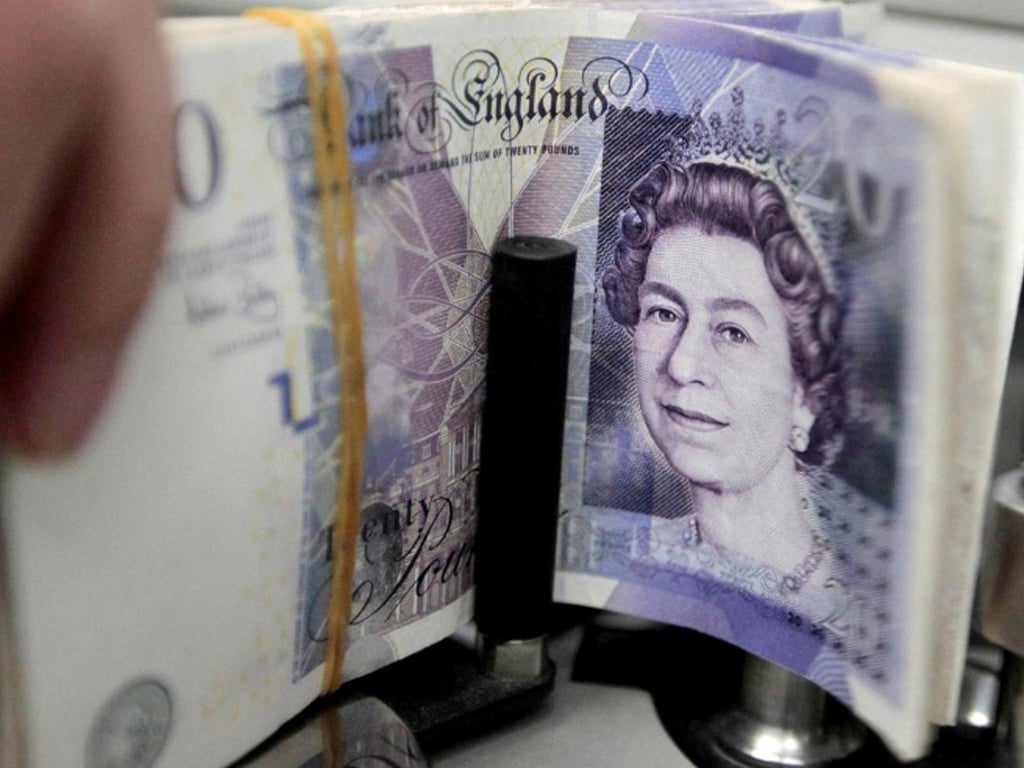

LONDON: Sterling jumped to a one-week high against the U.S. dollar and gained versus the euro on Wednesday after the European Union's Brexit negotiator Michel Barnier told EU lawmakers a trade deal with Britain was still possible.
The pound rose 0.9% to $1.3066, its highest since Oct. 13, after Barnier said a deal was "within reach" if both sides work hard to overcome the sticking points in the coming days.
"Time is of the essence... Along with our British counterparts, we must find solutions to the most difficult areas," he told the European Parliament.
The British currency rose 0.6% against the euro, to 90.80 pence.
A frustrated EU and piqued Britain have exhorted each other this week to compromise to avoid a disruptive finale to the five-year Brexit drama that would add to economic pain from the coronavirus crisis.
Kenneth Broux, head of corporate research at Societe Generale, said Barnier's tone had given hungry traders a reason to buy.
"The market doesn't sit there thinking 'there isn't going to be a deal, we should be trading at $1.25'. The market wants to rally. Any positive soundbites that do come out are being jumped on as a reason to buy," Broux said.
Trading bots or 'algos' responding to the news story may also have helped push the pound higher, he said, while positive Brexit news could also prompt hedge funds to offload some of their sterling short positions, adding to gains.
The rejection by the UK parliament's upper house of draft legislation that has infuriated the EU because it would give the British government the right to override parts of their Brexit Withdrawal Agreement had given the pound an early boost.
The Internal Market Bill would have broken the law, the House of Lords said.
Analysts said that could aid negotiations.
"Despite all the recent Brexit noise, we still expect a 'thin' agreement at the last minute," said Christopher Dembik, head of macro analysis at Saxo Bank. "At the end of the day, we think the currency market is right, there will be a deal."
Britain and the EU are now aiming to reach a trade agreement by the end of the month, having missed a self-imposed deadline of mid-October, and their negotiators will speak later on Wednesday.
A post-Brexit transition arrangement expires in 10 weeks, on Dec. 31. If Britain does not have a deal by then, it would trade with its biggest partner on World Trade Organization terms, which include quotas and tariffs.
Broux saw a 50-50 chance of a deal being struck, probably by the end of November.
Britain is also dealing with rising coronavirus cases that could prompt further restrictions on households and businesses.
Britain's government borrowing in the first half of the financial year was more than six times higher than before the COVID pandemic, official figures showed on Wednesday, taking public debt to its highest since 1960.
Annual inflation meanwhile rose 0.5% in September, up from 0.2% inflation in August, driven by transport costs and higher restaurant prices after a government subsidy scheme ended.
Those numbers and the "continued increase in COVID numbers and local lockdowns in the UK (are) still concerning," said John Woolfitt, director of trading at Atlantic Capital Markets.


























Comments
Comments are closed for this article.