


Burst of selling hits Turkish lira after two steady months
- It quickly rebounded and on Tuesday had settled to 6.875 by 0807 GMT, largely within a tight range it has remained in for two months.
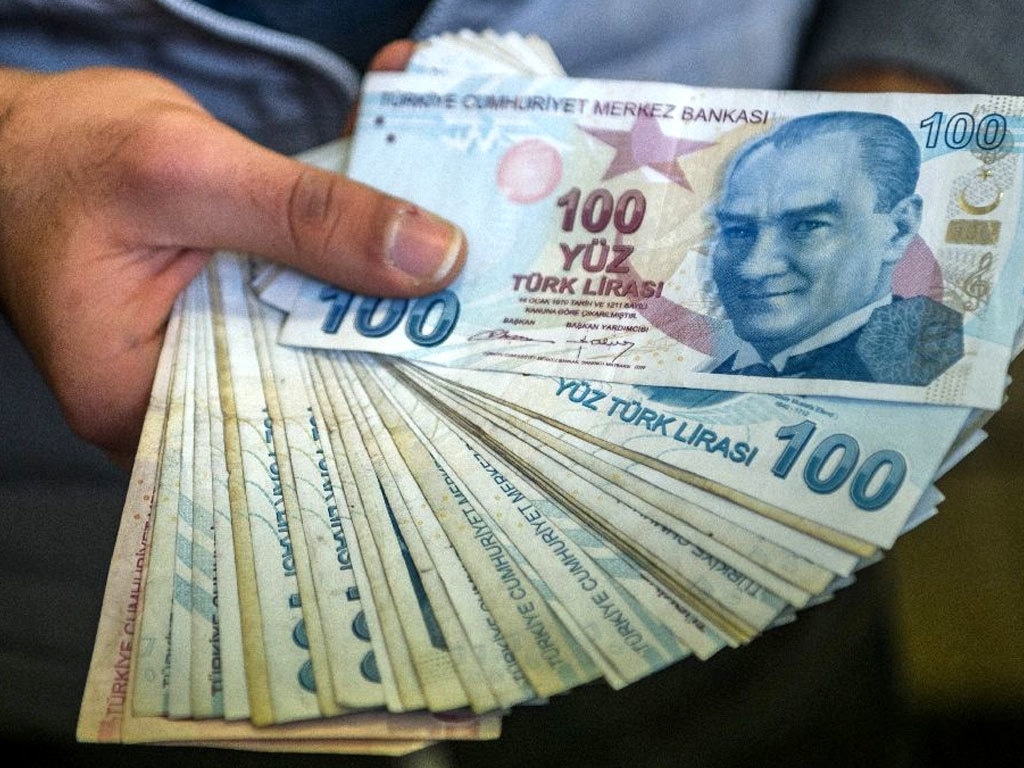

ISTANBUL: Turkey's lira partly recovered on Tuesday from a late-Monday plunge in overseas trade that analysts said reflected pent-up selling pressure that has been restrained by costly state interventions to keep the currency stable.
In a burst of selling around 1410 GMT on Monday - after the close of most European trade in the lira - Turkey's currency tumbled to as far as 6.985 against the dollar, its weakest since May 13.
It quickly rebounded and on Tuesday had settled to 6.875 by 0807 GMT, largely within a tight range it has remained in for two months.
According to data and sources, that stability is due in part to the selling of billions of dollars by the central bank and state banks.
The so-called FX interventions have amounted to about $100 billion since they began early last year, according to the calculations of bankers and analysts, and they have partly eaten into the central bank's FX reserves buffer.
A drop in gross FX reserves to $49 billion from $81 billion this year, combined with aggressive monetary easing that drove real rates deeply negative, have raised concerns about Turkey's rising current account deficit.
The lira touched a record low on May 7, accelerating Ankara's search for foreign funding.
The burst of late-day selling shows "without a doubt proof that the Turkish lira remains under strong depreciation pressure even if far-reaching state interventions ... prevent this from being reflected in exchange rates", said Commerzbank analysts.
FX is hard to control "in the long term without a corresponding credible regime", they said in a note.
The government has said the central bank may intervene to stabilise the currency and the bank itself has said reserves will fluctuate in extraordinary times such as during a pandemic.
Bursts of selling remained on Tuesday as a volatility gauge jumped to its highest in a month and longer-dated dollar bonds fell by the most in two weeks.
While interventions have targeted the US exchange rate, the lira has neared a record low against the euro.
"Given the level of state bank intervention on a regular basis, it is hard to say the (lira) is a floating currency (and) is now a heavily managed exchange rate," said Tim Ash of BlueBay Asset Management.

























Comments
Comments are closed for this article.