



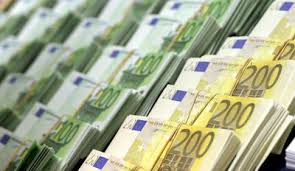
 LONDON: The euro skidded into a 27-month trough against the dollar on Wednesday, a day ahead of a crucial European Central Bank meeting that may pave the way for more easing measures in the euro zone.
The dollar also reached a seven-year peak against the yen, boosted by comments from Federal Reserve officials.
They painted an upbeat picture of the US economy, bolstering expectations the Fed will raise interest rates in mid-2015.
With monetary policy outlooks diverging in the United States and the euro zone, the euro fell as low as $1.2322, its weakest since late August 2012. It was last trading near $1.2329, down 0.4 percent on the day.
The dollar's gains saw it reach it its strongest since March 2009 against a basket of major currencies at 88.897.
"Investors are looking to increase their holdings of the dollar and decrease the euro because they're anticipating further lower price action on the euro on the basis of further easing and stimulus from the ECB," said Neil Jones, head of hedge fund FX sales at Mizuho Bank in London.
But Derek Halpenny, European head of global markets research at Bank of Tokyo-Mitsubishi UFJ in London, said the euro might rebound on Thursday if the ECB failed to deliver new measures to shore up the struggling euro zone economy and ward off the threat of deflation.
New York Fed President William Dudley reiterated on Tuesday that for now the dramatic drop in oil prices - down almost 40 percent since June - was a net benefit for the United States. The 'considerable time' the Fed has said it will take before rates rise "is certainly under threat, and in that environment there's not going to be much appetite for selling into the dollar," Halpenny said.
The dollar climbed to 119.48 yen on trading platform EBS, its strongest since August 2007, up 0.2 percent on the day. It also rose against the Australian dollar, which slid to a 4 1/2-year low of $0.8388 after data showed Australia's economy unexpectedly slowed last quarter, prompting markets to price in more chances of an interest rate cut.























Comments
Comments are closed for this article.