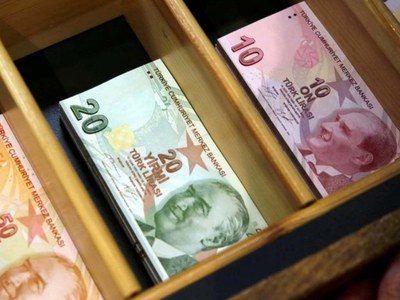
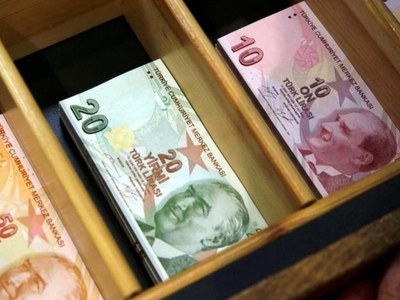
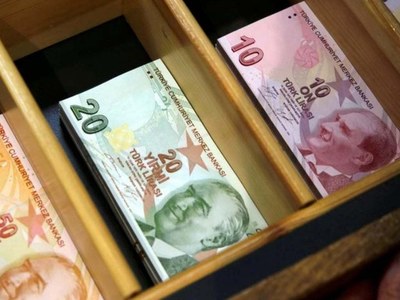
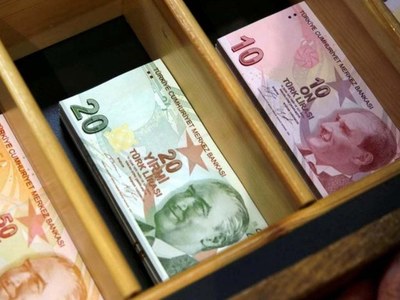
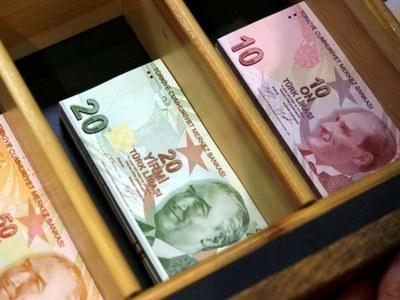
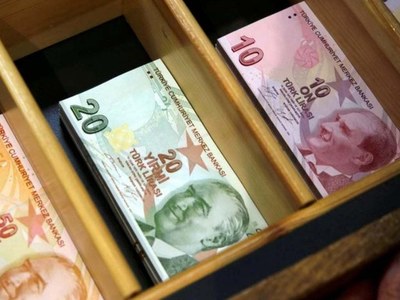
A recent lira depreciation, sparked by President Tayyip Erdogan's sacking of a hawkish central bank governor, has raised both inflation and expectations for more. The consumer price index (CPI) rose 17.14% in April.
The currency's decline of about 15% since mid-March has raised overall prices for import-dependent Turkey and pushed producer price inflation above 35% in April.
The reserves have emerged in recent months as a focus of what the political opposition calls government mismanagement. They plunged in 2019-2020 as state banks sold off $128 billion to stabilise the lira, which still fell 20% in 2020.
Net forex reserves were around $41 billion at the end of 2019.
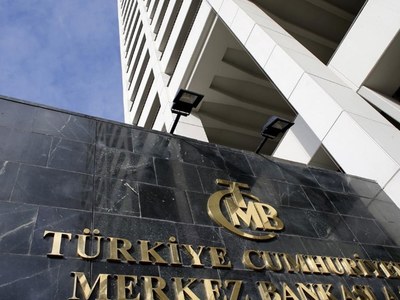
Kavcioglu sought in the presentation to convince economists that he would be as decisive as his predecessor, Naci Agbal, a respected policy hawk, in bringing down inflation to a 5% target over the next three years.
"We have given clear guidance ... saying that the policy rate will be above inflation and we will continue that," the governor said in a mostly prepared presentation. "We will continue the tight policy stance."
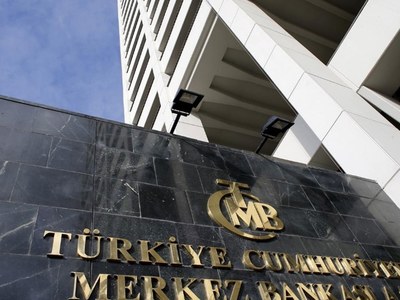
The currency had declined on expectations of worsening ties between Ankara and Washington. Further pressuring the lira, Central Bank Governor Sahap Kavcioglu on Friday defended forex reserve sales under a previous administration aimed at providing support for the lira and said further rate hikes could damage the economy.
A week earlier the reserves - which have become the focus of the political opposition's criticism in recent weeks - had fallen to $9.93 billion, their lowest level since April 2003.
The reserves plunged last year as state banks sold off $128 billion to stabilise the lira, which still lost 20% of its value in 2020. Net forex reserves were around $41 billion at the end of 2019.
The lira plunged last week after Erdogan's sacking of former Central Bank Governor Naci Agbal led to concern that Turkey would return to unorthodox policy and lower the policy rate prematurely.