



 SYDNEY: Natural disasters in Australia and New Zealand could stir new interest in catastrophe bonds as a way for insurers to sidestep rising reinsurance costs while attracting overseas investors looking for portfolio diversification.
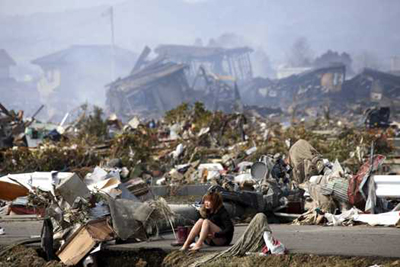
Earthquakes, floods and cyclones have caused billions of dollars of damage in the two countries, and that pales in comparison to the likely cost of Japan's earthquake.
Catastrophe bonds would allow insurers to pass on extreme risks to a wider range of investors and are seen as an alternative to reinsurance.
"Given that renewals for certain Australian and New Zealand cedents are coming at July 1, we could expect use of the cat bond market as soon as the second half of 2011," Global Head of ILS Structuring for GC Securities Cory Anger said.
As some reinsurance contracts come up for renewal, rates are set to rise considerably, so "cat bonds could be attractive from a price perspective," Anger said.
Investors receive a yield for agreeing to cover damage which they consider unlikely, while the insurers lock in funds for disaster relief should storms or earthquakes strike.
Floods and cyclones have ravaged Australia with the damage bill topping A$10 billion dollars and parliament forced to introduce a levy to help cover some of the damage. As a result Global Reinsurer Swiss Re called on the government to consider catastrophe bonds as disaster risk rises.
New Zealand was rocked when two major earthquakes hit in five months. With early estimates of the cost of the Christchurch earthquake as high as NZ$15 billion, the country's natural disaster fund will be drained. The government may have to foot the costs or it could consider catastrophe bonds.
There have been no cat bonds issued in New Zealand and only a handful in Australia, with Global reinsurer Swiss Re making its first foray into the Australian market in 2006.
Investors see potential in catastrophe bonds as they look to diversify their portfolios and reap attractive rates of return.
"Overall investors have increased their assets under management in this sector and would like to grow the outstanding cat bond limit overall and in particular with respect to diversifying perils," said Anger at GS Securities.
The New Zealand Superannuation Fund has locked in a good rate of return with investments in the catastrophe bond market overseas.
But Head of Investment Analysis at New Zealand Superannuation Fund, David Rae said they would not be interested in New Zealand catastrophe bonds should they come about.
"We won't invest in New Zealand catastrophe bonds or insurance linked securities because they are too closely correlated with all of our New Zealand assets," Rae said.























Comments
Comments are closed for this article.