


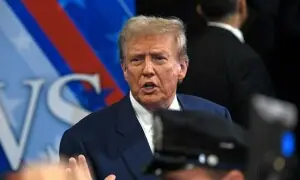
Most Southeast Asian stock markets fell in thin trade on Friday as Wall Street took a breather from its surge since the US presidential election on the back of declines in retail stocks. US equities posted their first back-to-back daily declines of the month in light trading as investors took time out ahead of the Christmas weekend. Retail stocks on Wall Street fell after CNN reported President-elect Donald Trump's transition team is considering a tariff of as much as 10 percent on imports.
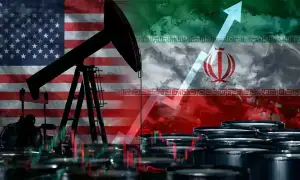
Declines in Wall Street are probably affecting the markets, said Mikey Macainag, an analyst with Manila-based Sunsecurities Inc. "Dow Jones right now is nearing the 20,000 resistance. I think it is going to take a while before they break 20,000. That is why it is correcting." Sentiment was also affected by oil prices which slipped in thin Asian trade, eroding some of the gains in the previous session as traders took profits.
Philippine shares fell for a second straight session, dragged down by real estate and telecom stocks, and posted a weekly drop of 4.2 percent, their biggest since January. Conglomerate Metro Pacific Investments Corp was among the biggest percentage losers on Friday, falling 3.1 percent. Malaysia ended weaker for a third straight session, hurt by utilities, consumer staples and industrials.
Malaysian palm oil futures fell as much as 2 percent and hit their lowest in four weeks, tracking declines in rival oils on the Dalian Commodity Exchange. Indonesian shares fell for a ninth consecutive session in their longest losing streak since August 2005, and recorded a weekly decline of 3.9 percent, the biggest since October 2015. Indonesia's central bank expects economic growth to slow in the final quarter of 2016 to around 4.97 percent, Senior Deputy Governor Mirza Adityaswara told reporters, from 5.02 percent in the third quarter. Bucking the trend, Thailand snapped four sessions of losses after the central bank governor said the country's economy may expand more than the bank's forecast of 3.2 percent due to government spending and improved exports.















Comments
Comments are closed for this article.