


Water and Power Development Authority (WAPDA) has indicated further increase in the cost of Neelum-Jhelum Hydropower Project by 23.6 per cent (Rs 95 billion) to Rs 500 billion from Rs 404.331 billion estimated in 2015, sources close to Chairman WAPDA told Business Recorder.
Wapda, sources said, has almost finalised revised PC for the fourth time from 2002 to 2016, which would be submitted with the Executive Committee of National Economic Council (ECNEC) headed by the Finance Minister Senator Ishaq Dar. In 2002, the ECNEC had approved the project at a cost of Rs 84.502 billion which was scaled up to Rs 277.502 billion in 2012. The cost of project again surged to Rs 404.331 billion in 2015 and now was being revised up to Rs 500 billion. With a further increase in project cost, Neelum-Jhelum tariff would increase up to Rs 12 or 13 per unit.
According to sources, WAPDA has also requested the federal government to extend collection of Neelum-Jhelum surcharge of 10 paisa per unit till June 2018. The Wapda is executing 969MW Neelum-Jhelum Hydropower near Muzzafarbad in Azad Jammu & Kashmir. The contract for the construction was awarded to M/s CGGC-CMEC, a Chinese consortium, in December 2007. The project would divert river Neelum-Jhelum water through a tunnel to generate 969MW of electricity contributing 5.15 billion electricity units annually to the national grid. The project was mobilised in January 2008.
The government of Pakistan had arranged local financing for the project through imposition of Neelum-Jhelum surcharge at the rate of 10 paisa per unit on all electricity consumers except KESC and lifeline consumers in 2008 for eight years ie up to December 31, 2015 which was extended for a further period of one year ie December 31, 2016.
The sources said the government of Pakistan arranged foreign component from IDB, SFD, KFD and Exim Bank China as per financing requirement in PC-I (2005) of Rs 404.321 billion. The government of Pakistan had also arranged Rs 100 billion Sukuk from National Bank of Pakistan and an additional loan of $576 million from China Exim Bank. The WAPDA also collected Rs 46.7 billion against Neelum-Jehlum surcharge up to October 2006.
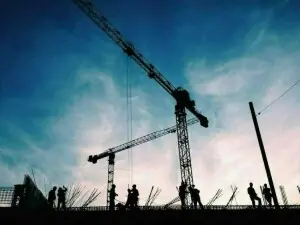
The Neelum-Jhelum project is a unique underground project of Pakistan having an underground power house, river Jhelum crossing and a 68-km tunnel system. Due to a complete underground geology and earthquake 2005, massive changes have been made in design and structure of the project and this process is still going on with the recommendations of engineers.
It would result in a further increase of approximately Rs 95 billion (in approved PC-I cost of Rs 404 billion) with a major increase in heads of price adjustment, exchange loss and Interest during Construction (IDC). The PC-I revision is under way and is expected to be finalised within weeks.
Keeping in view the revised PC-I cost estimates under consideration, the financing arrangement for the project are not sufficient to cater to growing needs of the project. The closing date of the Neelum-Jhelum surcharge is approaching fast ie December 31, 2016. The project with 86 percent physical progress has entered into a crucial stage and the government is taking keen interest in its early completion. The tentative date of completion of first unit was envisaged in February 2018. In this situation the project would need financing commitment to achieve the financial close and to have a smooth cash flow for timely completion of the project.
"WAPDA has requested the federal government to extend Neelum-Jhelum surcharge for another one and a half years ie from January 2017 to June 2018 to collect an additional Rs 9 billion from the power consumers across Pakistan except KE," the sources continued. It is pertinent to mention here that Neelum-Jhelum hydropower project has not achieved financial closure so far.
One of the prime reasons of former Chairman Wapda, Zafar Mehmood's removal was delay in the Neelum-Jhelum project. The new Chairman Lieutenant General Muzammil Hussain (Retd) was also facing issues at the federal government level which he mentioned at a meeting of Senate Standing Committee on Water and Power.















Comments
Comments are closed for this article.