


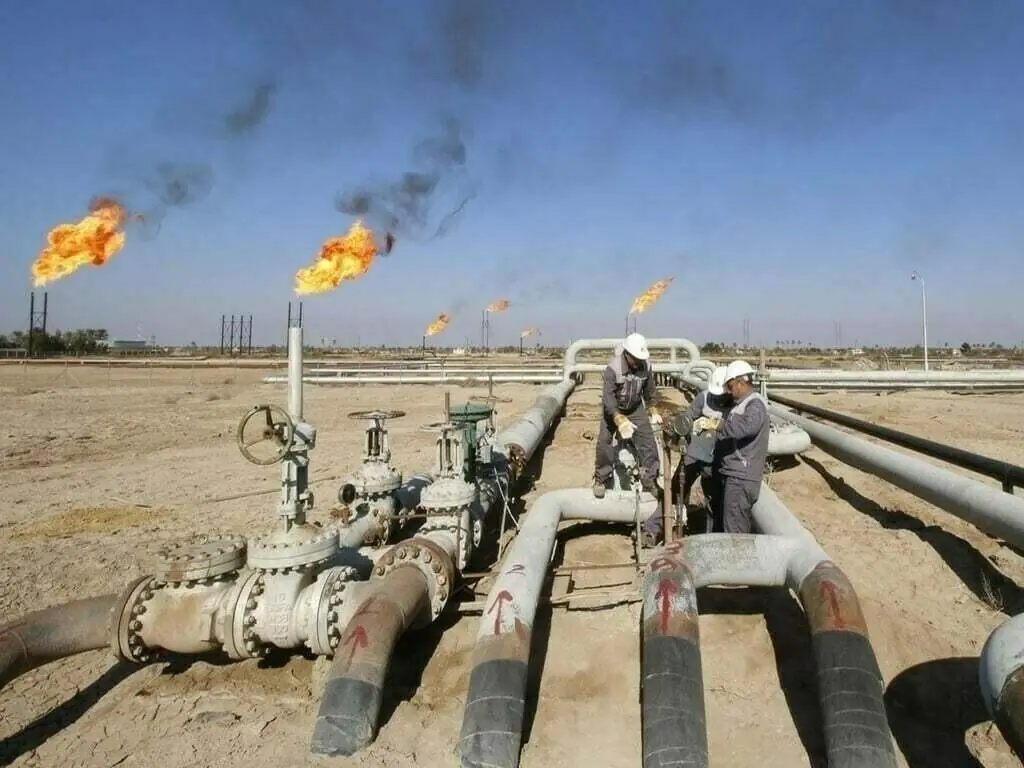

ISLAMABAD: The Petroleum Division (PD) is currently engaged in discussions with the International Monetary Fund (IMF) over a comprehensive plan to settle the country’s mounting gas sector circular debt, which has surged to approximately Rs3.4 trillion, senior government officials confirmed.
Speaking at a post-budget press conference for fiscal year 2026-27, Minister for Finance and Revenue Senator Muhammad Aurangzeb acknowledged ongoing consultations with the IMF, emphasising that the Fund has not rejected the proposed gas sector rationalisation framework.
“The Petroleum Division remains in contact with the IMF on the issue of gas sector debt,” the finance minister stated, adding that the proposed settlement plan is aimed at curbing the persistent accumulation of circular debt in the energy chain.
READ MORE: Gas sector CD touches Rs3.442trn early 2026: IMF
The stock has ballooned due to: (i) below-cost gas tariffs; (ii) Unaccounted-for Gas (UFG) losses; (iii) delayed subsidy payments; (iv) RLNG tariff differential; and (v) inefficiencies of state-owned gas companies (SNGPL & SSGC).
Petroleum Division is taking measures to reduce UFG losses, improving billing and recovery and enhancing governance of gas utilities and possible restructuring of liabilities.
Expensive imported LNG is a major contributor to the debt buildup and mismatch between high LNG costs and regulated domestic tariffs continues to widen the gap.
According to official sources, Prime Minister Shehbaz Sharif has directed the relevant authorities to ensure that the gas sector circular debt settlement plan—designed to incentivise upstream exploration and production—is shared with the IMF prior to its implementation. The move underscores the government’s commitment to maintaining alignment with IMF programme conditions and ensuring fiscal discipline.
Under the proposed mechanism, once the IMF conveys its concurrence, the Petroleum Division will submit a formal summary to the Cabinet Committee on Energy (CCoE) for approval. Following endorsement by the CCoE, the plan is expected to be implemented in phases.
Aurangzeb further noted that the discussions are part of broader efforts to introduce structural reforms in the energy sector, particularly targeting inefficiencies that have historically contributed to the accumulation of circular debt.
Officials indicate that the gas sector debt has ballooned due to a combination of factors, including pricing distortions, transmission and distribution losses, delayed tariff adjustments, and subsidies. The government’s reform agenda seeks to address these structural issues while ensuring the financial sustainability of state-owned energy entities.
The proposed plan is also expected to include measures to rationalise tariffs, improve recovery mechanisms, and encourage investment in domestic gas exploration—critical for reducing reliance on imported fuels.
The outcome of the ongoing discussions with the IMF will be pivotal in determining the timeline and scope of implementation, as Pakistan continues to navigate fiscal constraints under its ongoing Fund-supported programme.
Energy sector analysts believe that a credible and IMF-backed settlement plan could help restore investor confidence and stabilise the country’s energy supply chain, though its success will depend on effective execution and political will.
The gas sector circular debt remains one of the most pressing challenges for policymakers, with its resolution seen as essential for broader economic stability and sustainable energy sector reform.
Copyright Business Recorder, 2026



















Comments