


Wheat hits 2-month low; corn, soy choppy ahead of USDA

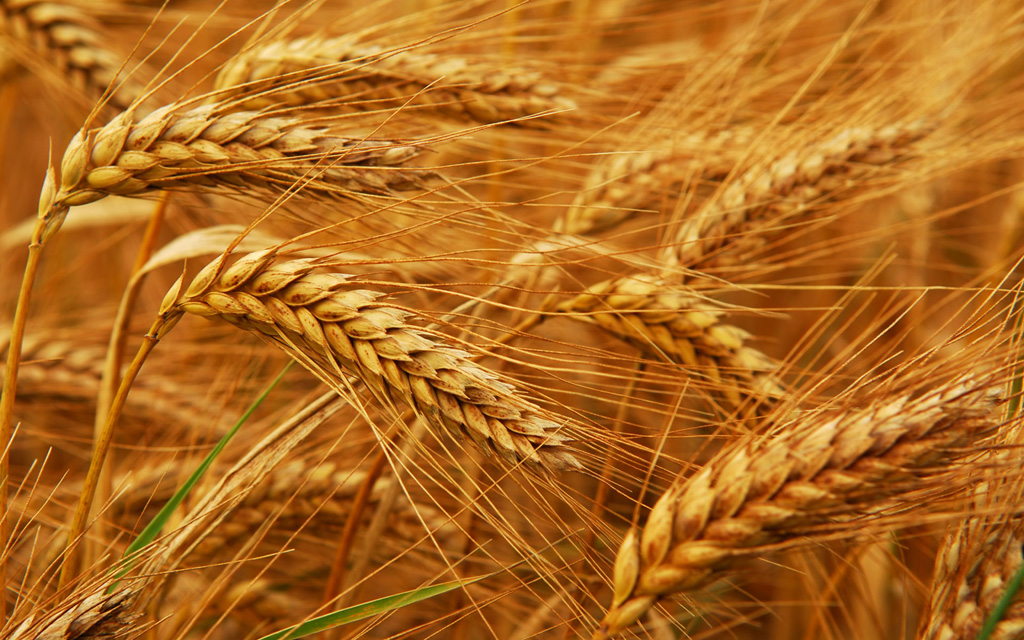
CHICAGO: US wheat futures dipped to two-month lows on Wednesday as improving weather for developing crops in the drought-hit southern Plains put the focus back on ample world supplies, traders said.
Corn futures were little changed and soybeans were choppy as traders squared positions a day ahead of key US planting intentions and quarterly stocks reports due from the US Department of Agriculture.
As of 12:40 p.m. CDT (1740 GMT), Chicago Board of Trade May wheat was down 2-1/2 cents at $4.46-1/2 per bushel after hitting $4.44-1/2, its lowest since Jan. 25.
CBOT May corn was down 3/4 cent at $3.73-1/4 a bushel while May soybeans were up 1/4 cent at $10.19-3/4 a bushel.
Wheat futures fell after rains crossed portions of the southern Plains hard red winter wheat belt this week, bolstering yield prospects for a crop that has struggled with dry conditions, in some areas since October.
"Rainfall over the past two days was similar to expectations across much of the southern and eastern Plains, leading to improvements in west central and north central Texas and eastern Oklahoma," forecaster Radiant Solutions said in a daily note to clients.
"However, rainfall underperformed a bit in western Oklahoma and northwestern Texas, where amounts were generally less than 0.10 inch (3 mm)," the note said.
The USDA on Monday rated 13 percent of winter wheat in Kansas, the top producer, in good-to-excellent condition, up from 11 percent a week earlier, although still well down from a year ago.
Trade in grains was subdued as brokers awaited direction from Thursday's USDA plantings and stocks reports. Analysts expected the government to project an increase in US soybean plantings compared to 2017 and a decline in corn acreage.
Analysts also expected the USDA to show the largest US March 1 stocks on record for both corn and soybeans, following several years of bumper harvests.
"The stocks data tomorrow should be more of a factor ... as they are concrete numbers," MaxYield Cooperative analyst Karl Setzer said in a note to clients. On acreage, Setzer noted that the USDA will revise Thursday's planting intentions forecasts with its June 29 acreage report.
"Updated numbers in June will have much more of an impact on trade," he said.
Rising estimates of the soybean harvest in Brazil, the world's biggest exporter of the oilseed, hung over soybean futures, capping rallies. Agroconsult, a Brazilian consulting firm, on Tuesday raised its estimate of the country's soy crop to 118.9 million tonnes, from 117.5 million previously.
Nonetheless, Chinese importers are paying record harvest-time premiums for Brazilian soybeans, fearing disruption to shipments from the United States.
In Argentina, workers at some of the country's soy crushing plants who started a wage strike on Tuesday were back at work on Wednesday morning after the government ordered an end to the stoppage while the union representing the workers negotiates with management.




















Comments
Comments are closed for this article.