


‘One extra unit, six months of punishment: stop unfair power and gas bill system, please’
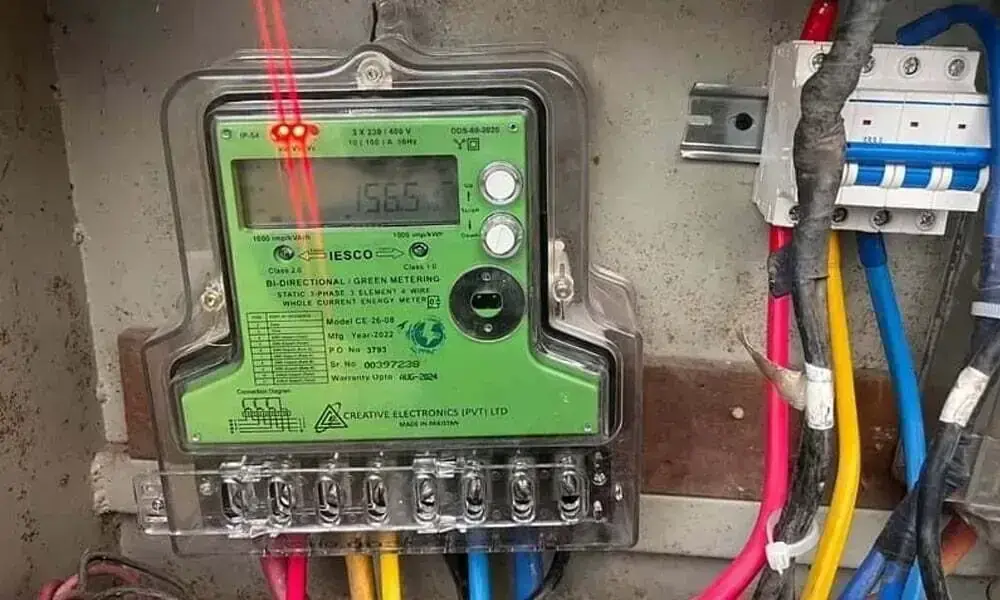
This is apropos a letter to the Editor titled ”One extra unit, six months of punishment: stop unfair power and gas bill system, please” from this writer carried by the newspaper yesterday.
The government’s stated objective of directing subsidies towards low-consumption households may be understandable. Nevertheless, the question remains whether the existing mechanism strikes the right balance between economic efficiency and social justice.
Is this system practiced worldwide?
Many countries employ different electricity and gas tariffs, offer concessions to low-income households and charge different rates according to consumption levels. Providing lower rates to consumers with limited electricity consumption is, therefore, not unique to Pakistan.
However, there is a significant distinction between charging higher rates for additional consumption and withdrawing a consumer’s subsidised status for six months because of a single month’s excess consumption. No reliable international statistics are available to establish how many countries follow precisely the same six-month rule as Pakistan.
Pakistan also introduced protected and unprotected categories for domestic gas consumers in 2023. Under the original framework, the classification of protected consumers was based on their average gas consumption during the four winter months, from November to February, with an average monthly consumption limit of 90 cubic metres (CM).
Although the underlying objective of directing subsidies towards deserving consumers may be legitimate, the mechanism itself deserves a thorough review to ensure that it does not defeat the very purpose of public relief.
Zahid Rajput (Karachi)
Copyright Business Recorder, 2026











Comments