


Palm rises over 1% on bargain buying but still heads for weekly loss
- Palm oil contract for January delivery on the Bursa Malaysia Derivatives Exchange gained 53 ringgit, or 1.15%, to 4,669 ringgit
Malaysian palm oil futures rose on Friday due to bargain buying and gains in rival oils, though still poised for a weekly loss. The market awaits October export and production data.
- Factors influencing Malaysian palm oil price movements.
- Impact of Dalian and Chicago soyoil on palm oil.
- Upcoming Malaysian October export and production data and stock levels.
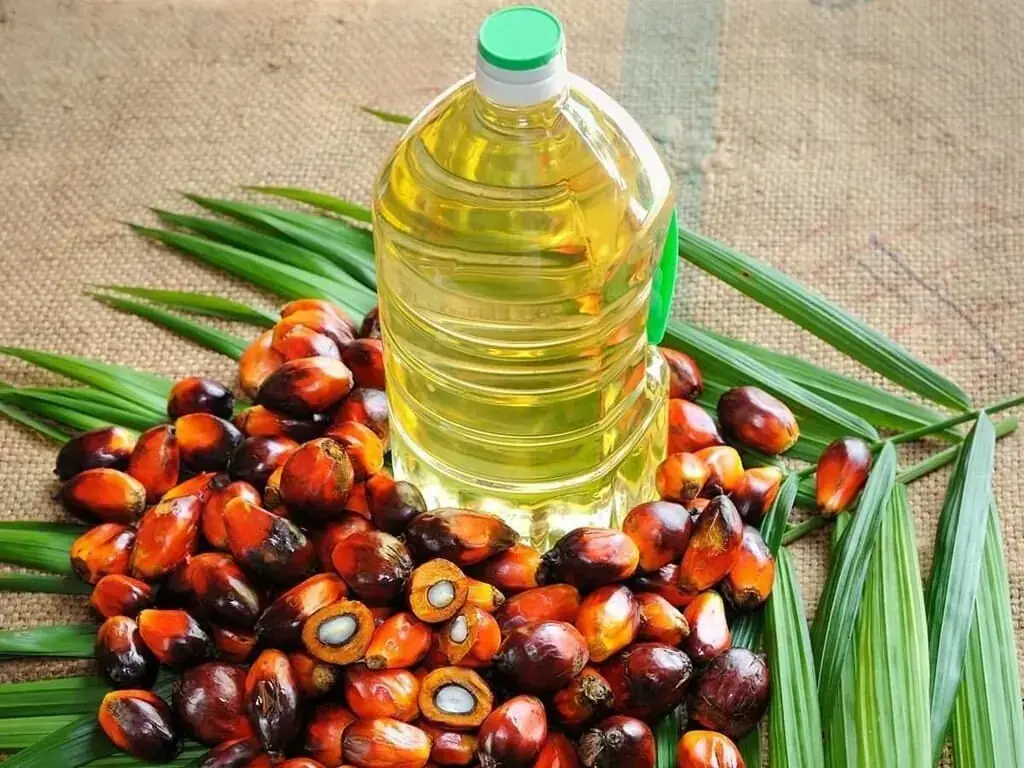
KUALA LUMPUR: Malaysian palm oil futures rose more than 1% on Friday, on bargain buying and gains in Dalian palm olein and Chicago soyoil, though they were still poised for a first weekly loss in four weeks.
The benchmark palm oil contract for January delivery on the Bursa Malaysia Derivatives Exchange gained 53 ringgit, or 1.15%, to 4,669 ringgit ($1,150.85) a metric ton by the midday break.
The contract has declined 3.9% so far this week.
Crude palm oil futures traded higher following the bullish recovery in Dalian palm olein and Chicago soyoil during Asian hours, said Anilkumar Bagani, head of research at Mumbai-based vegetable oil broker Sunvin Group.
“The prices also recovered on bargain buying with strong technical support seen below 4,600 ringgit for the benchmark January 2027 futures,” Bagani said.
Bagani added that the market’s focus has now turned to Malaysia’s October full-month palm oil export and production data, as well as the expected rise in stocks.
Dalian’s most-active soyoil contract rose 0.61%, while its palm oil contract added 0.89%.
Soyoil prices on the Chicago Board of Trade were up 0.88%.
Palm oil tracks the price movements of rival edible oils, as it competes for a share of the global vegetable oils market.
Oil prices rose on Friday — set for a fourth monthly gain — as an attack on a tanker in the Strait of Hormuz highlighted the continuing supply risks from the US-Israeli war on Iran, which has entered its eighth month.
Stronger crude oil futures make palm a more attractive option for biodiesel feedstock.
The ringgit, palm’s currency of trade, strengthened 0.2% against the dollar, making the commodity more expensive for buyers holding foreign currencies.



















Comments