


Poor consumers to get cash via BISP: Govt, IMF agree to make power subsidies more targeted
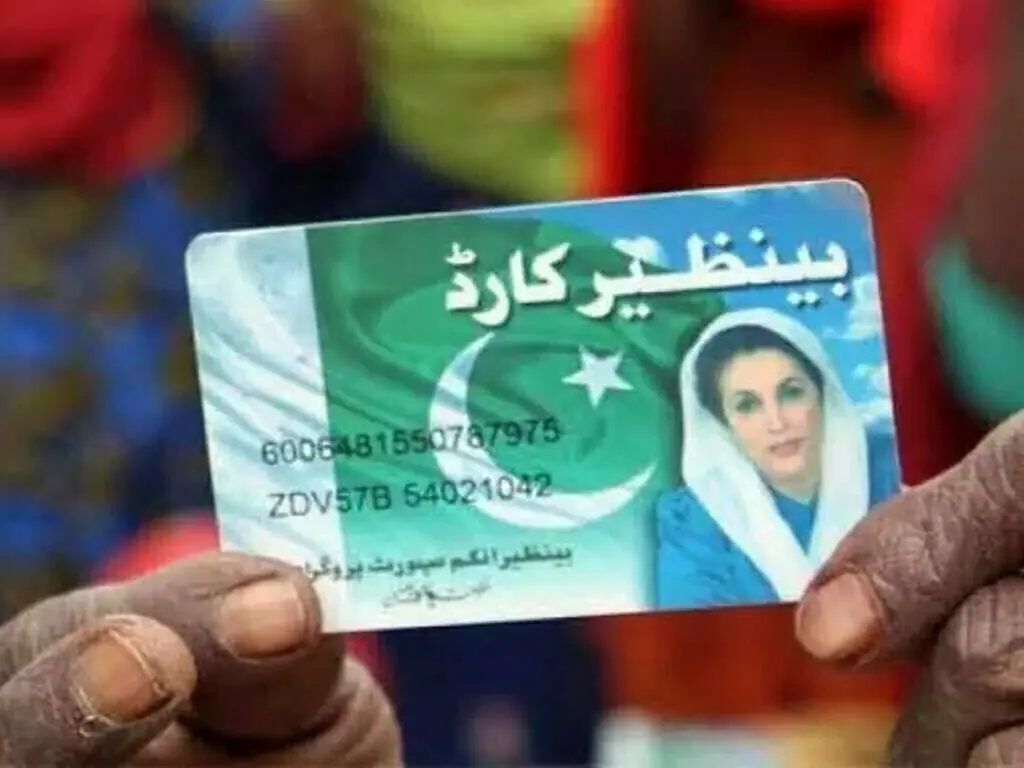

ISLAMABAD: The International Monetary Fund (IMF) and the government are expected to finalise next week a mechanism for replacing tariff-based electricity subsidies for poor consumers with direct cash transfers through the Benazir Income Support Programme (BISP), as part of efforts to make energy subsidies more targeted and contain circular debt.
Informed sources told Business Recorder that the proposed shift from subsidised electricity tariffs to direct cash assistance would be discussed during the policy round of the ongoing IMF review, with both sides expected to settle the practical modalities, including identification of eligible consumers and the mechanism for transferring subsidy directly to them.
The move is being considered as part of broader reforms aimed at reducing distortions in the energy sector by separating social protection from consumer tariffs.
Under the proposed arrangement, poor households would receive support directly through BISP instead of benefiting from artificially lower electricity prices.
Sources said the experience of the power-sector subsidy transition would also provide the basis for developing a similar mechanism for the gas sector, where the government is facing considerably greater data and ownership-related challenges.
Sources said that the IMF has been pressing Pakistan to replace untargeted energy subsidies with targeted support for vulnerable consumers. However, discussions on the proposed gas-sector mechanism have revealed that the system is not yet ready for immediate implementation.
According to sources, initial discussions on shifting gas subsidies from consumer tariffs to BISP-based direct transfers have concluded that the gas sector remains “far from ready” because of deficiencies in consumer data and ownership records.
The proposed tariff rationalisation is intended to reduce cross-subsidies, particularly those imposed on industrial consumers, and contain the gas-sector circular debt, which has reached around Rs3.6 trillion.
Sources said the existing protected category for domestic consumers had widened the pricing gap and contributed to the accumulation of circular debt.
In comparison, the power sector has relatively more developed consumer documentation despite having a substantially larger network.
The IMF has therefore advised further consultations with consultants to develop a workable mechanism for targeted gas subsidies rather than rushing into implementation.
Sources said that the Fund has acknowledged Pakistan’s management of the oil crisis during the six-month period of the US-Iran conflict, noting that the country managed to avoid major fuel-supply disruptions without imposing an additional burden on the national budget.
Copyright Business Recorder, 2026


























Comments