


Experts seek fast-track mechanism aimed at bringing promising germplasm into country
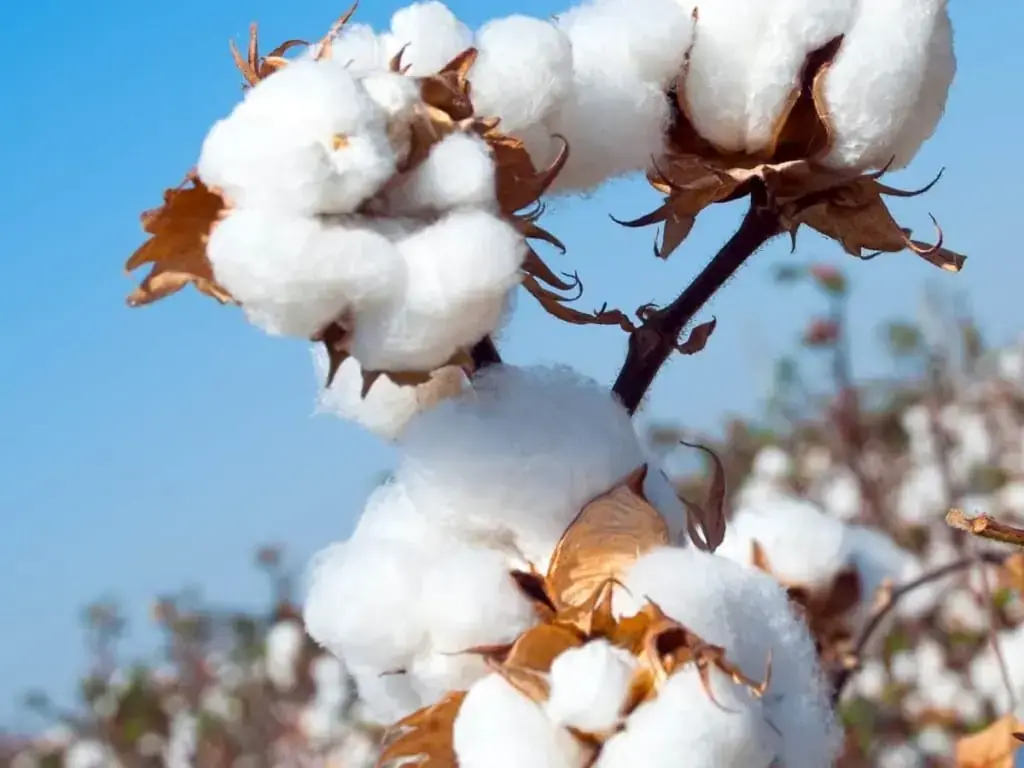

LAHORE: Pakistan’s efforts to revive cotton are being held back by a regulatory process that takes around seven years to approve imported seed varieties, prompting researchers and seed industry experts to seek a 12-24-month fast-track mechanism for bringing promising germplasm into the country.
The lengthy approval mechanism was delaying access to potentially high-yielding international germplasm at a time when Pakistan was struggling to restore cotton production and competitiveness.
Shahzad Ali Malik, Guard Agricultural Research & Services Limited (GUARD) CEO while talking to Business Recorder said a fast-track regulatory mechanism could allow seed companies to introduce promising imported cotton varieties and hybrids by 2028, subject to completion of the required regulatory procedures.
Under the existing mechanism, imported cotton seed takes around seven years for approval, comprising one year of bio-security screening, two years of bio-safety trials, one year of company trials, two years of National Uniform Yield Trials (NUYT) and another year for final approval.
The industry has proposed reviewing each stage to determine which tests are essential and which could be shortened or conducted concurrently.
One proposal is to replace one-season bio-security screening at a registered Post Entry Quarantine facility with laboratory testing for specified seed-borne diseases, potentially reducing the process from around six months to 15 days.
The industry has also proposed conducting bio-safety and NUYT trials simultaneously for one season instead of sequentially, followed by a one-month period for compilation of trial data and a decision by the Variety Evaluation Committee.
Shahzad Malik said the objective was not to bypass scientific scrutiny but to examine the seven-year process step by step and identify opportunities to bring it within a 12-24-month timeframe while retaining necessary safeguards.
The proposed changes would require amendments to the Plant Quarantine Rules, 2019, besides coordination among relevant regulatory bodies, including the National Agri-trade and Food Safety Authority, Pakistan Environmental Protection Agency, Pakistan Central Cotton Committee, National Seed Development and Regulatory Authority and provincial seed councils.
He also identified Pest Risk Analysis (PRA) as a major bottleneck in importing research seed and other regulated agricultural material.
The Department of Plant Protection has initiated PRA arrangements with 11 cotton-producing countries. Researchers said progress with China was particularly important because of ongoing research collaboration and urged the department to complete the assessments and expedite import permits submitted through the Pakistan Single Window.
He said they have a broader programme to test 25 to 50 promising foreign cotton varieties. So far, 24 varieties have been identified, including eight from Ethiopia, five from Greece and 11 from China. Two Pakistan-specific varieties developed through several years of research are also being pursued for further evaluation.
Shahzad, who also has the credit of introducing hybrid rice in Pakistan, said Chinese germplasm was particularly promising because of its longer staple length and potential suitability for Pakistan’s hot and arid conditions. The programme involves collaboration between the Chinese Academy of Agricultural Sciences and Pakistani research institutions.
He suggested that Pakistan could also draw lessons from the experience of hybrid rice and maize, where imported seed technologies have contributed to significant yield improvements, as a possible model for accelerating cotton revival.
“Cotton was not simply another agricultural crop but a critical input for Pakistan’s textile value chain, connecting farmers with ginners, spinners, weavers, processors, and garment manufacturers. Cottonseed also contributes to the edible-oil industry,” he added.
He also called for greater involvement of the All Pakistan Textile Mills Association (APTMA) and Pakistan Cotton Ginners Association (PCGA) in cotton research to ensure that new varieties meet textile quality requirements and address persistent problems such as contamination and impurities.
Copyright Business Recorder, 2026


























Comments