


A legacy of progress and public service: Pakistan People’s Party: transforming Sindh through sustainable development
The Pakistan Peoples Party has consistently driven Sindh's socio-economic development, focusing on industrial revival, energy security, and extensive infrastructure and public transport projects.
- Revival of key industrial units and job creation.
- Harnessing Sindh's energy potential with Thar Coal and wind power.
- Major water security and agricultural development projects.
- Extensive modern transport infrastructure and public transit.
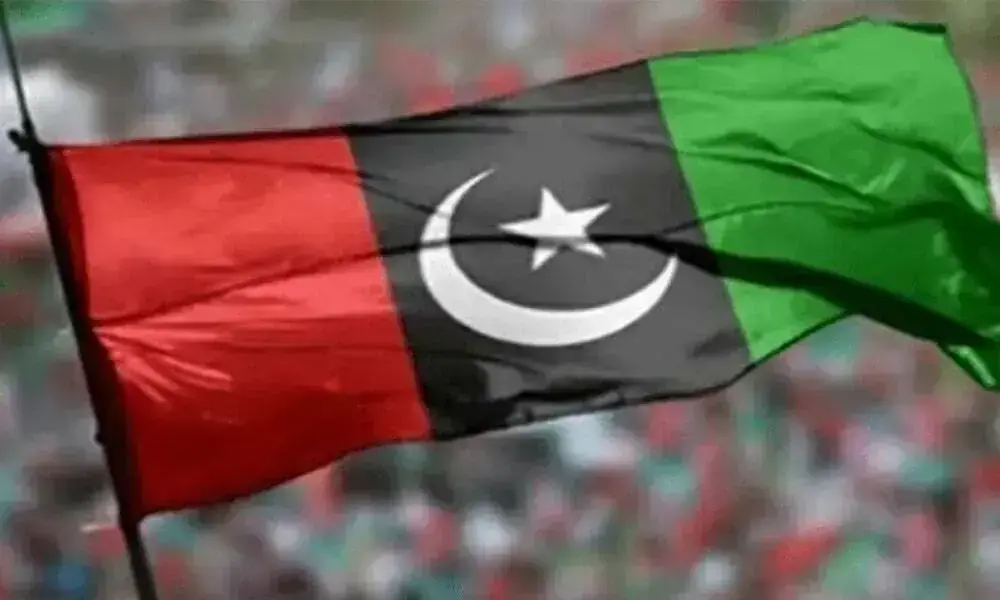

Since its inception, the Pakistan Peoples Party (PPP) has remained committed to the socio-economic development of Sindh. Guided by the vision of Shaheed Zulfikar Ali Bhutto and Shaheed Mohtarma Benazir Bhutto, successive PPP governments have pursued policies aimed at industrial growth, infrastructure development, educational expansion, quality healthcare, energy security, and institutional reform.
Despite financial constraints and numerous national challenges, the Government of Sindh under the PPP has undertaken landmark initiatives that have transformed the province’s economic and social landscape. From reviving dormant industries to establishing universities, improving healthcare facilities, harnessing indigenous energy resources, and expanding road networks, the PPP’s development agenda has sought to create opportunities for every region of Sindh.
Reviving industry and creating employment: Economic growth depends upon industrial development. Recognising this, the PPP government facilitated the revival of two landmark industrial units - the Dadu Sugar Mills and the Naudero Sugar Mills.
Originally established during the government of Shaheed Zulfikar Ali Bhutto in the 1970s, both mills remained closed for years after operations ceased during the Pakistan Muslim League (N) government. Through the auction conducted by the Official Assignee of the Sindh High Court and private-sector investment encouraged by the PPP government, both mills were successfully revived.
Their reopening restored industrial production, generated thousands of direct and indirect employment opportunities, strengthened the sugarcane economy, and revitalised commercial activity across surrounding districts.
Harnessing Sindh’s energy potential: Recognising the importance of energy security for Pakistan’s future, the PPP government launched initiatives to utilise Sindh’s abundant natural resources.
Thar Coal Project: The establishment of the Thar Coal Development Authority marked the beginning of one of Pakistan’s largest energy initiatives. Four coal blocks were allocated for electricity generation, laying the foundation for utilising one of the world’s largest lignite coal reserves.
Today, Thar Coal has become a strategic national asset, reducing dependence on imported fuel and contributing significantly to Pakistan’s energy mix.
Renewable energy revolution: The PPP government also recognised the importance of clean and renewable energy. Jhimpir was declared Pakistan’s premier Wind Energy Zone, attracting substantial domestic and international investment.
Over the years, Jhimpir has developed into one of South Asia’s largest wind power corridors, producing clean electricity while promoting environmentally sustainable development and creating new economic opportunities.
Water security and agricultural development: Agriculture remains the backbone of Sindh’s economy, making efficient water management essential for sustainable development.
Darawat Dam: The completion of the Darawat Dam near Thano Ahmed Khan represents a major investment in water storage and irrigation infrastructure. Once fully utilised, the project has the capacity to transform agriculture in nearby areas, including parts of Malir District, through improved water availability.
Nai Gaj Dam: Among Sindh’s most important irrigation projects is the Nai Gaj Dam in District Dadu.Upon completion, the dam is expected to irrigate approximately 300,000 acres of fertile land in the Kaacho region while significantly reducing flood damage caused by seasonal hill torrents flowing from the Kirthar Range. The project also includes the potential for approximately 4 MW of hydroelectric power generation.
Although construction has experienced delays following the suspension of the Federal Government’s share of funding, the project continues to represent one of Sindh’s most important long-term investments in agriculture, flood mitigation, and rural development.
Modern transport and communication infrastructure: Economic prosperity depends upon efficient transportation. The PPP government constructed a strategic bypass connecting Jamshoro with Kandhkot, improving travel between Upper and Lower Sindh while facilitating trade and commerce. Several major bridges across the River Indus have also strengthened provincial connectivity, including:
• Larkana–Khairpur Bridge
• Amri–Qazi Ahmed Bridge
• Sir Aga Khan Bridge at Jhirk connecting Thatta and Tando Muhammad Khan
• Ghotki–Kandhkot Bridge Project
These projects have reduced travel time, enhanced regional integration, and improved access to markets, healthcare, and educational institutions.
Additional cadet colleges were established in Gadap, Khairpur Mirs, and Kakar (District Dadu), while Cadet College Mithi remains under development.
The Elevated Light Rail Project (1993–96) -amissed opportunity: One of the earliest and most ambitious projects was the Elevated Light Rail Project from Sohrab Goth to Tower, conceived during the 1993–96 PPP government under the Karachi Development Authority (KDA) Mass Transit Authority.
The project was designed on a Build-Operate-Transfer (BOT) model for an initial period of 30 years, with provisions for extension. It was sponsored by the World Bank, and a Canadian multinational company won the international bidding process. Under the proposed arrangement, the Sindh government’s responsibility was limited to providing the required land, while the private company was to finance, construct, operate, and maintain the system.
Despite its innovative financing model and advanced planning, the project was suspended by the federal government. Consequently, Karachi lost an opportunity to develop a modern, rail-based transit system more than three decades ago.
Lyari Expressway: The Lyari Expressway is a major controlled-access highway in Karachi that runs along the banks of the Lyari River, linking Mauripur Road (near Karachi Port) with Sohrab Goth, where it connects to the M-9 Motorway. It was developed to reduce congestion on city roads and provide a faster route for port-bound and through traffic.
Shahrah-e-Bhutto Expressway: The Shahrah-e-Bhutto Expressway is one of the largest transport infrastructure projects undertaken by the Sindh government under the Public-Private Partnership (PPP) model. The approximately 39-kilometre, six-lane, access-controlled expressway connects Korangi Creek Avenue/DHA to the Karachi–Hyderabad Motorway (M-9) near Kathore, significantly improving connectivity between Karachi’s southern districts, industrial zones and the national highway network. The project is intended to reduce travel time, ease congestion on major city roads and facilitate the movement of commercial traffic to and from Karachi Port and industrial areas. The expressway has an estimated cost of about Rs55–60.7 billion and was inaugurated in May 2026, marking a major milestone in Karachi’s transport infrastructure.
A vision taking shape: From the proposed Elevated Light Rail Project of the 1990s to the People’s Bus Service, Green Line, Orange Line, Red Line, Yellow Line, electric buses, and now the Shahrah-e-Bhutto Expressway, the Sindh government has pursued a long-term vision of improving Karachi’s transport infrastructure. Together, these initiatives aim to provide safer, faster and more sustainable mobility while supporting economic growth.
Revival of modern public transport: Recognizing the city’s growing transportation needs, the PPP-led Sindh government has launched and supported several major public transport projects to.
Improving urban mobility, the Sindh government has made unprecedented investments in Karachi’s public transport infrastructure, laying the foundation for a modern, safe, and efficient mass transit system through the introduction of the People’s Bus Service, the expansion of Bus Rapid Transit (BRT) corridors, and the launch of electric buses, the government is addressing the city’s long-standing transportation challenges while improving mobility for millions of residents.
Transforming Karachi through modern public transport: A flagship initiative in this transformation is the People’s Bus Service, launched with a capital investment of PKR 10.734 billion. The service has significantly improved urban mobility by operating approximately 240 buses on 14 routes across Karachi, while an additional 50 buses serve Hyderabad, Mirpurkhas, Sukkur, Shaheed Benazirabad, Larkana, Shikarpur, and Khairpur.
The fleet also includes the Pink Bus Service, dedicated exclusively to women, ensuring safer and more comfortable travel. Today, the People’s Bus Service carries more than 125,000 passengers daily, making it one of the province’s most successful public transport initiatives.
The government’s commitment to developing an integrated mass transit network is further reflected in the Bus Rapid Transit (BRT) system. The Green Line BRT, completed at an estimated cost of PKR 35–40 billion, and the Orange Line BRT, developed at a revised cost of PKR 4.29 billion, are now operational and providing reliable transport services to thousands of commuters each day. Construction is also progressing on the Red Line BRT, with an estimated cost of over PKR 140 billion, and the Yellow Line BRT, valued at over PKR 120 billion, both of which are expected to substantially enhance Karachi’s public transport capacity upon completion.
In line with its commitment to environmentally sustainable transport, the Sindh government has also introduced 50 electric buses operating on five routes across Karachi under a rent-to-own arrangement costing PKR 825 million annually. The electric bus service is already serving more than 5,000 passengers every day, and plans are underway to further expand the fleet with additional eco-friendly buses.
Collectively, these initiatives represent one of the most significant investments in Karachi’s transport sector in recent history. By expanding access to affordable public transport, reducing traffic congestion, promoting cleaner mobility, and improving connectivity across the city, these projects are transforming the daily commute and supporting Karachi’s long-term urban development.
The government of Sindh, under the leadership of the Pakistan Peoples Party (PPP), remains committed to developing a modern, integrated and sustainable transport system that meets the needs of a rapidly growing urban population. Through strategic investments in mass transit, road infrastructure and environmentally friendly public transport, the government is transforming Karachi’s mobility landscape while supporting economic growth and improving the quality of life for millions of citizens. The People’s Bus Service, the BRT network, the Lyari Expressway, the Shahrah-e-Bhutto Expressway and other key infrastructure initiatives reflect this long-term vision of a connected, accessible and economically vibrant Sindh.
Beyond transport, the Pakistan Peoples Party’s development journey in Sindh reflects a sustained commitment to public welfare, inclusive growth and institutional strengthening. Through investments in energy, irrigation, infrastructure, education, healthcare, industry and governance, successive PPP governments have pursued policies aimed at promoting long-term socioeconomic development. From transforming Thar into a major energy hub and expanding higher education to strengthening healthcare services and improving connectivity across the province, these initiatives have contributed to Sindh’s continued progress.
As Sindh moves forward, the government remains focused on accelerating sustainable development through strategic planning, innovation and public investment. Its vision is to build a modern, prosperous and inclusive province where efficient infrastructure, quality public services and expanded economic opportunities improve the lives of all citizens and support enduring growth for future generations.
Copyright Business Recorder, 2026
The writer is a former Senior Minister for Education, Government of Sindh

























Comments