


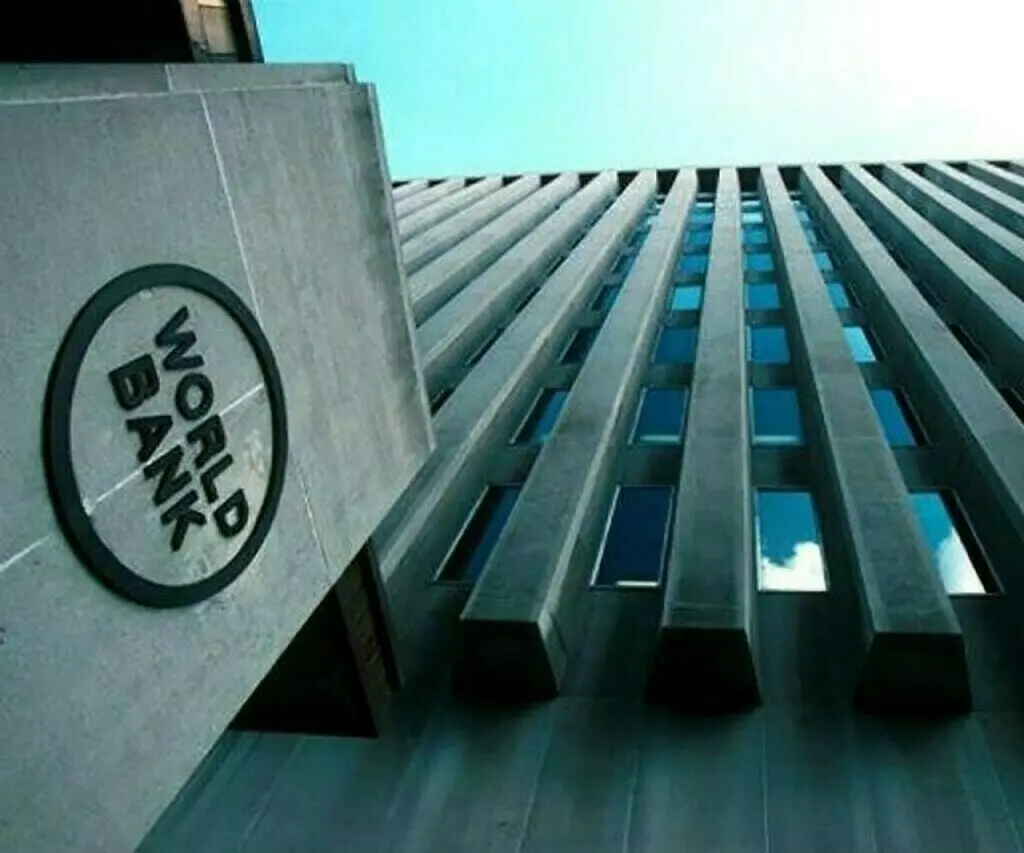
The World Bank’s report, Building Human Capital Where It Matters (2026), has once again highlighted a critical but often neglected aspect of economic development: the quality of human capital.
The report argues that sustainable growth and higher productivity depend not merely on physical infrastructure or financial resources but on investments in people through education, healthcare, nutrition, and skills development.
Alarmingly, it notes that in several developing countries, including Pakistan, human capital development has stagnated and, in some areas, even deteriorated. The report also emphasizes that economic growth by itself does not automatically improve learning outcomes, nutrition, or workforce capabilities.
Pakistan’s human capital indicators present a worrying picture. According to the World Bank, the country’s Human Capital Index (HCI) stands at 0.41, implying that a child born today will be only 41 percent as productive as he or she could be with complete access to quality education and healthcare. This figure is below the South Asian average and lags behind neighbouring countries such as Bangladesh and Nepal.
The findings reinforce the conclusions of the World Bank’s earlier Pakistan Human Capital Review (2023), which warned that weak human capital development could seriously undermine Pakistan’s ambition of becoming an upper-middle-income country by 2047.
The challenge is further reflected in the UNDP Human Development Report 2025, which ranks Pakistan 168th out of 193 countries, placing it among nations with low human development. The country’s ranking has steadily slipped in recent years, reflecting slow progress in education, healthcare, and living standards. Such indicators should serve as a wake-up call for policymakers.
Despite possessing a large and youthful population, Pakistan has failed to convert its demographic advantage into economic strength. Public spending on education has remained among the lowest in the region, while nearly 26 million children remain out of school. At the same time, unemployment, particularly among the youth, continues to rise.
The situation is especially troubling for highly qualified professionals. Pakistan produces thousands of engineers and other skilled graduates every year, yet many struggle to find suitable employment. Consequently, a growing number seek opportunities abroad, contributing to an ongoing brain drain.
The consequences of inadequate human capital development extend beyond social welfare. Low productivity in agriculture, manufacturing, and services limits economic growth, reduces competitiveness, and discourages investment. Human capital is the foundation of technological progress, industrialization, and long-term prosperity.
The World Bank–Pakistan Country Partnership Framework for 2026–2035 places considerable emphasis on improving education, healthcare, nutrition, and workforce skills.
Pakistan’s human capital crisis is no longer a peripheral concern; it lies at the heart of the country’s economic and social challenges.
Unless substantial investments are made in education, health, and job creation, the nation risks wasting its demographic dividend and falling further behind its regional peers. Human capital development must therefore be treated as a national priority and the cornerstone of Pakistan’s long-term development strategy.
Hussain Ahmad Siddiqui, Islamabad
Copyright Business Recorder, 2026






















Comments