


Unfair concessions: why high-end auto relief harms Pakistan’s economic goals
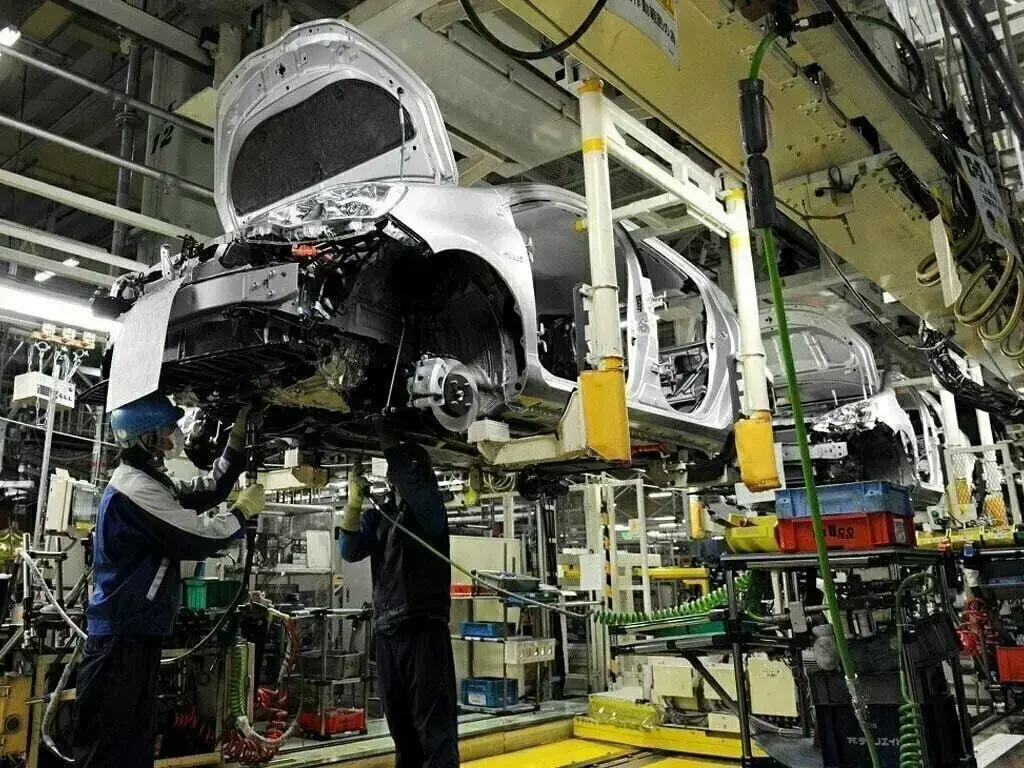

At a time when Pakistan is pushing through painful economic reforms under its current IMF programme, a stark policy contradiction is taking shape in Islamabad’s decision-making circles. After allowing concessional sales tax rates on hybrid electric vehicles to expire and bringing them under the standard 25 percent tax rate for high-value automobiles, the government is reportedly looking to reverse course and drop the rate back to 18 percent. This proposed rollback forces us to ask a straightforward question: who actually benefits when scarce public revenue is sacrificed during an era of national austerity?
The primary beneficiaries of this tax break are not ordinary middle-class commuters struggling against rising fuel prices. The hybrid and plug-in hybrid models coming into the local market are overwhelmingly luxury vehicles priced at 10 million rupees and above. While average citizens carry the heavy load of higher indirect taxes, trimmed subsidies, and persistent inflation, handing a major tax break to buyers of 10-million-rupee cars feels completely disconnected from economic reality. Every rupee of revenue lost on luxury transport has to be recovered somewhere else, usually through broad taxes on everyday consumer items that hit ordinary households hardest.
Looking at the broader picture, this rollback directly cuts against the core principles of Pakistan’s commitments with multilateral lenders. The IMF has repeatedly stressed the need to widen the tax net, remove special tax privileges, and stick to strict fiscal discipline. Sticking with the original 25 percent tax rate was meant to plug revenue leaks and protect budget targets. Backtracking so quickly creates policy uncertainty, signals vulnerability to industry lobbying, and weakens the credibility of our broader tax reform efforts. Estimates show that letting the concessional tax rate expire yields over 31 billion rupees in revenue, and reintroducing these breaks directly eats away at that crucial fiscal cushion.
Supporters of the tax cut argue that lower duties encourage cleaner transport and help the adoption of green technology. Decarbonizing our roads is certainly an important long-term goal, but using tax cuts as an uncalibrated relief package for luxury vehicles fails on both environmental and economic grounds. Real green mobility depends on mass adoption across the population. Giving tax breaks to heavy, high-engine hybrid SUVs acts as a subsidy for a small elite rather than a meaningful climate solution. On top of that, importing these expensive vehicle kits keeps heavy pressure on our foreign exchange reserves without building real local manufacturing capability or protecting domestic parts vendors.
It is also worth considering the signal this sends to the domestic auto ecosystem. Local vendors and parts manufacturers have spent decades building up capacity and investing heavily to support domestic assembly. Bypassing these investments to favour high-end, high-tech imports risks stranding local assets and threatening industrial jobs. A rushed transition toward luxury imports shifts employment opportunities away from local factories toward overseas supply chains, undermining national economic self-reliance at a time when industrial growth is desperately needed.
Governments are ultimately judged not just by the taxes they collect, but by how fairly they offer relief. If the state actually has the financial room to grant tax cuts that space should go toward essential goods, agricultural support, or public transport that directly eases daily life for millions. Reducing taxes on luxury cars while asking the public to accept economic sacrifices send the wrong message about national priorities. Should the very first beneficiaries of tax relief under an IMF reform programme really be people buying 10-million-rupee luxury cars?
Copyright Business Recorder, 2026
The writer is an expert freelance writer of Automotive Sector. Email: [email protected]






















Comments