


Punjab Motor Vehicles Ordinance: Ride-hailing vehicles required to possess route permits
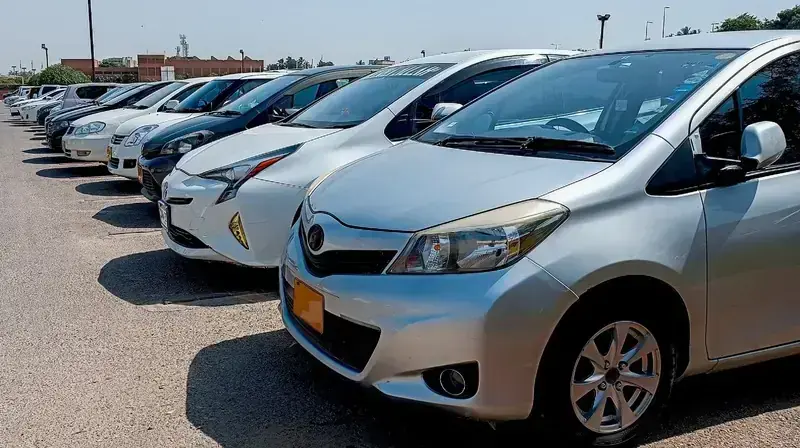

ISLAMABAD: Punjab’s newly amended Motor Vehicles Ordinance 1965, now requires ride-hailing vehicles to hold a route permit under its Section 44B, creating practical problems for drivers engaged in ride-hailing work in the province.
Details shared by the ride-hailing sector on Tuesday revealed that for thousands of drivers who took up ride-hailing work in Punjab over the past few years, the decision was driven by simple realities. It offered a daily income and the flexibility to choose their own hours at a time when stable employment had become hard to come by.
Punjab’s own Labour Force Survey puts the province’s unemployment rate at 7.3 percent, and for many drivers, platform-based work has provided a valuable source of income.
That backdrop is essential to understanding the province’s newly amended Motor Vehicles Ordinance 1965, which now requires ride-hailing vehicles to hold a route permit under Section 44B. The requirement arrives at a difficult moment for the sector. Fuel prices have been volatile for months, partly as a result of the US-Iran conflict.
Meanwhile, drivers are already grappling with rupee depreciation and rising utility bills, leaving little room to absorb additional costs.
Punjab has 36 districts, and the permit rule, as drafted, treats each one as a separate jurisdiction for licensing purposes. A driver who crosses from one district into another mid-trip, which happens routinely in cities where metropolitan areas span multiple districts, is required to hold a permit for each one.
Drivers working on more than one ride-hailing app face the same requirement multiplied across every platform they use. Under the fee schedule the province has notified, none of this is a one-time cost. Permits must be renewed every year, with charges accumulating across every district a driver operates in and every app he drives for.
Beyond the fees themselves, the process carries its own friction. A driver working across several districts may need to visit a Regional Transport Authority office multiple times to obtain the necessary permits. For drivers who juggle long hours behind the wheel with limited time for administrative errands, that alone is a significant obstacle, separate from the cost of the permits themselves.
In practice, some drivers may simply route around the rule rather than comply with all of it, staying within a single district or turning down fares that would carry them across a boundary they are not permitted for.
That kind of self-limiting response would ease the compliance burden on paper, but it narrows the earning potential the job was supposed to offer in the first place. Passengers, too, would bear the consequences, with fewer drivers able to accept longer, cross-district trips without breaking the rule.
A single permit valid across the province, tied to a platform’s own registration rather than to individual districts, would resolve most of this at a stroke. It gives regulators the same oversight they are asking for, one clear registration per platform, while sparing drivers the compounding fees and repeat paperwork that come with the current design.
Indrive Company quoted, “We support thousands of drivers across Punjab, including many who drive part-time outside office hours to supplement their income. We already contribute to the formal economy through taxes on e-services. Requiring separate permits for each district and platform creates an unnecessary burden that could discourage participation, reduce driver availability, and affect a sector that fills critical mobility gaps”.
Copyright Business Recorder, 2026














Comments