


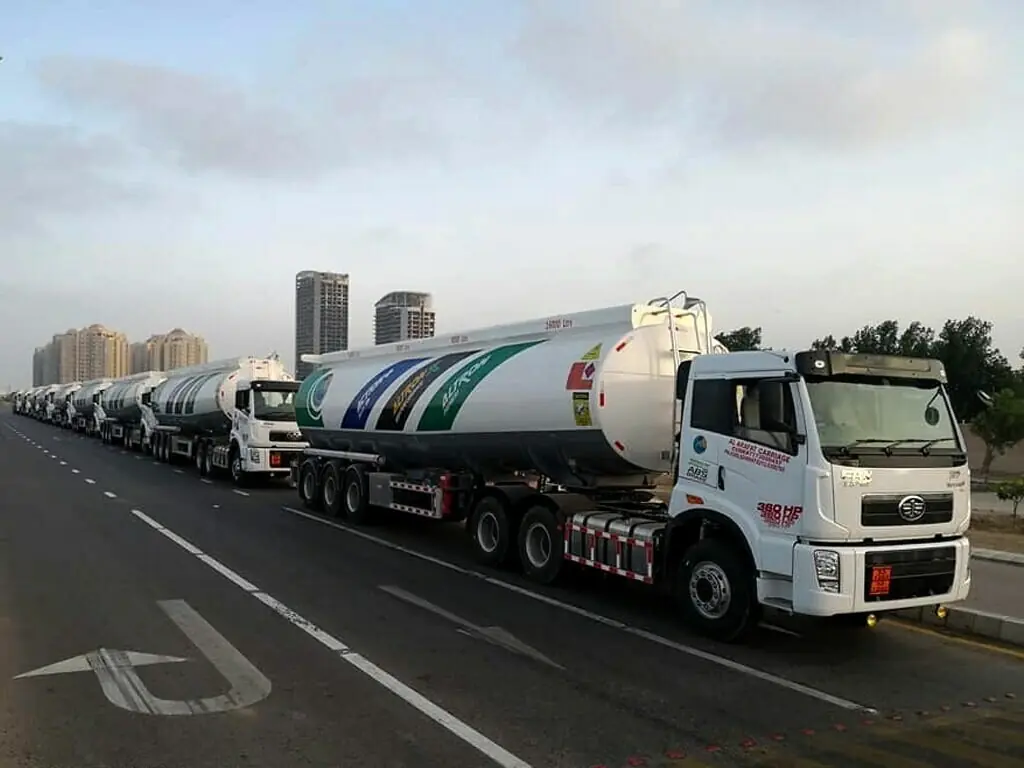

ISLAMABAD: Mounting receivables across Pakistan’s gas and power sectors are severely constraining the operational liquidity of Pakistan State Oil (PSO), raising fresh concerns about the stability of the country’s fuel supply chain.
According to independent industry data, Sui Northern Gas Pipelines Limited (SNGPL) accounts for the largest share of overdue payments, with outstanding liabilities amounting to Rs 536 billion as of July 23, 2026. This includes Rs 274 billion in principal dues and Rs 253 billion in late payment surcharge (LPS).
Industry sources indicate that recoveries from SNGPL continue to lag behind the pace of ongoing imported LNG shipments, resulting in a persistent cash flow gap for PSO.
At the same time, receivables from the power sector have surged to Rs 168 billion, a significant portion of which has remained unpaid since FY2018-19, further compounding the financial stress.
The growing stockpile of unpaid dues has created a systemic bottleneck affecting the entire energy supply chain—from domestic refineries to international fuel suppliers.
Delayed payments have forced PSO to rely heavily on short-term bank borrowing, increasing debt servicing costs and rapidly depleting available credit lines.
The liquidity squeeze is limiting PSO’s ability to meet its financial obligations to both local refiners and foreign suppliers in a timely manner.
Energy sector analysts warn that without a structured and immediate settlement plan by the government, the ongoing liquidity crisis could disrupt fuel procurement schedules and pose serious risks to national energy security.
Copyright Business Recorder, 2026













Comments