



“Debt is the worst poverty.”
(Thomas Fuller)
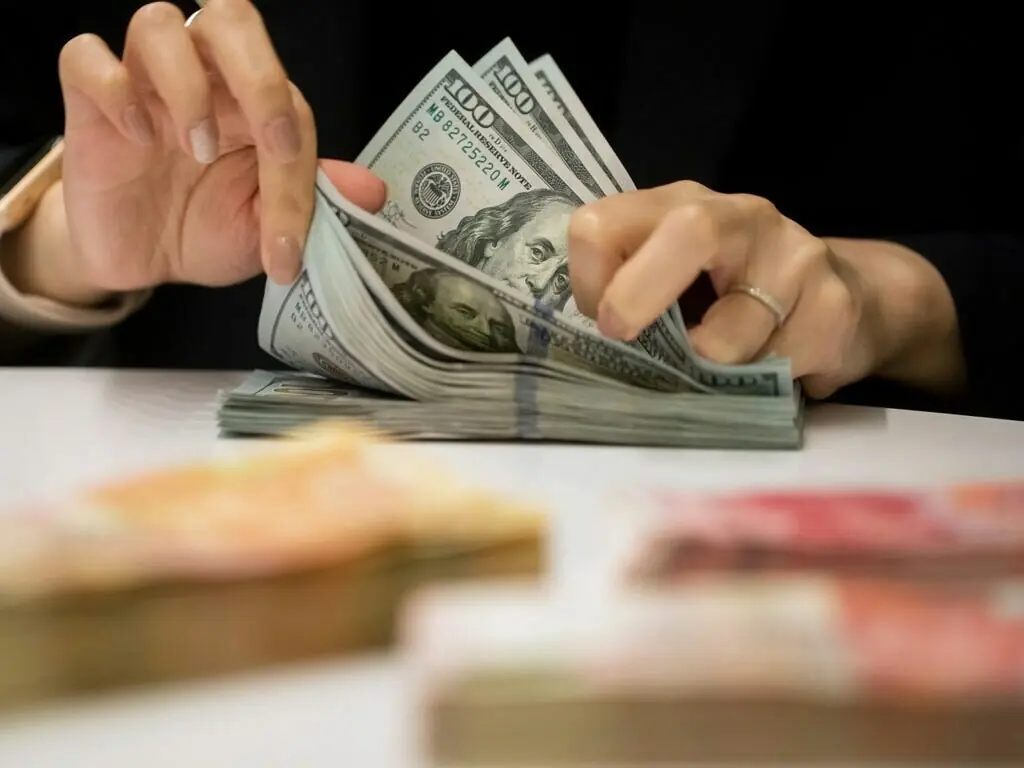
Pakistan has formally requested a 10 billion dollar Bilateral Exchange Stabilization Support Facility from the United States Treasury. Unlike a conventional bailout, this facility is intended to serve as a financial backstop to strengthen Pakistan’s foreign exchange reserves and protect the rupee during periods of external pressure. The request came at a time when Islamabad was quietly facilitating contacts between Washington and Tehran amid an increasingly dangerous Middle Eastern crisis. Whether these two developments are directly connected is open to debate. What is beyond dispute is that Pakistan’s economic vulnerability is steadily narrowing its diplomatic room for manoeuvre.
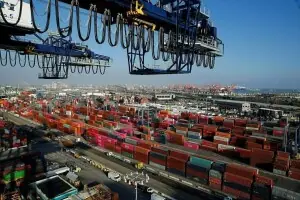
The modern battlefield is no longer confined to soldiers, tanks and aircraft. Increasingly, it extends to ports, oil terminals, shipping lanes, financial markets and currencies. Wars are now fought as much through economic attrition as through military force. Nations can be exhausted long before they are defeated.
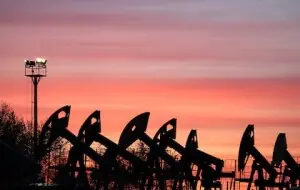
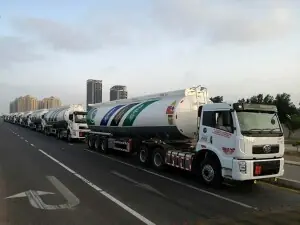
The widening conflict across the Middle East illustrates this transformation. Every new front carries consequences far beyond the battlefield. The continued instability around the Red Sea and the Bab el Mandeb Strait, including attacks on commercial shipping by Yemen’s Houthi movement, has once again exposed the fragility of one of the world’s most vital maritime corridors. Oil laden tankers navigating these waters now face higher insurance premiums, rising freight charges and increasing security risks. Every disruption eventually finds its way into higher energy prices, greater inflation and heavier import bills for countries like Pakistan that already struggle to finance their external obligations.
This is where geopolitics meets economics with unforgiving force. Every rise in oil prices drains Pakistan’s scarce foreign exchange reserves. Every dollar spent on imported fuel is a dollar unavailable for development, education or health. The country is pushed ever deeper into external borrowing simply to keep its economy functioning. Financial dependence gradually becomes strategic dependence.
The danger extends well beyond economics. If hostilities continue to widen and Iran finds itself under mounting military and economic pressure, it may increasingly seek to retaliate through asymmetric means. Energy infrastructure, shipping routes and logistical hubs across the Gulf could become attractive targets. Such a development would place Saudi Arabia and other Gulf states under enormous pressure while threatening the stability of global energy supplies. No responsible observer should wish for such an outcome, but neither can the possibility be dismissed.
Pakistan would inevitably find itself in an uncomfortable position. It enjoys deep historical, economic and security ties with Saudi Arabia while sharing a long and sensitive border with Iran. Islamabad has consistently sought balanced relations with both countries. Yet prolonged conflict could make such balance progressively more difficult. For a nation already wrestling with economic fragility, this is a strategic predicament that deserves far greater public attention than it presently receives.
History teaches a sobering lesson. Great powers often possess the luxury of distance. Regional powers do not. They absorb the destruction, count the casualties, rebuild the shattered infrastructure and carry the burden of debt long after the guns fall silent. External powers retain the ability to influence events through financial institutions, reserve currencies and diplomatic leverage while the countries within the conflict zone exhaust their resources against one another.
This, in my view, is the true geopolitics of exhaustion. It is not necessarily about conquering territory. It is about allowing rival states to weaken themselves economically, militarily and politically until they lose the capacity to act independently.
The greatest weakness of the Muslim world today is not the absence of resources. It is the absence of strategic unity. Collectively, Muslim countries possess immense energy reserves, substantial sovereign wealth, strategic geography and a population approaching two billion. Yet they continue to confront one another while external powers shape the strategic environment to their own advantage. Divided, they become vulnerable to manipulation. United, they would command far greater influence over their own destiny.
Pakistan occupies a unique position as the world’s only Muslim nuclear power. Yet strategic strength cannot rest on military capability alone. Economic resilience is equally essential. If the wealthier Muslim nations, together with Pakistan and Türkiye, and other responsible regional partners were to strengthen economic cooperation, support one another during financial crises and coordinate their diplomatic efforts, the region would be far less susceptible to external pressure. Such cooperation would not be directed against any nation. Its purpose would be to preserve regional stability, strategic autonomy and lasting peace.
Having spent a lifetime observing Pakistan’s fortunes, I fear that our greatest danger lies not in any single battle but in the slow erosion of our economic sovereignty. Nations rarely collapse overnight. They decline gradually, one concession at a time, until choices become obligations and policies become prescriptions written elsewhere.
The choice before the Muslim world is therefore stark. It can continue down the path of rivalry, suspicion and mutual exhaustion, allowing others to determine its future. Or, it can rediscover the wisdom of cooperation, respect and collective self-reliance. Unless that happens, smaller nations will continue to be treated as expendable pieces on somebody else’s chessboard, valued only until they have served their purpose.
That is the real tragedy of our time. And that is the true geopolitics of exhaustion.
(The writer is a retired professional currently based in Canada)
Copyright Business Recorder, 2026
The writer is a retired professional currently based in Canada








Comments