


Petroleum pricing: FY27 starts on a defensive note
The government's initial FY27 fuel price notification shows inconsistency, with the current petroleum levy insufficient to meet ambitious revenue targets, potentially leading to future steep increases.
- Government's ambitious petroleum levy collection target for FY27.
- Inconsistent fuel pricing strategy and recent levy reductions.
- Potential for steeper petroleum levy increases under unfavorable market conditions.
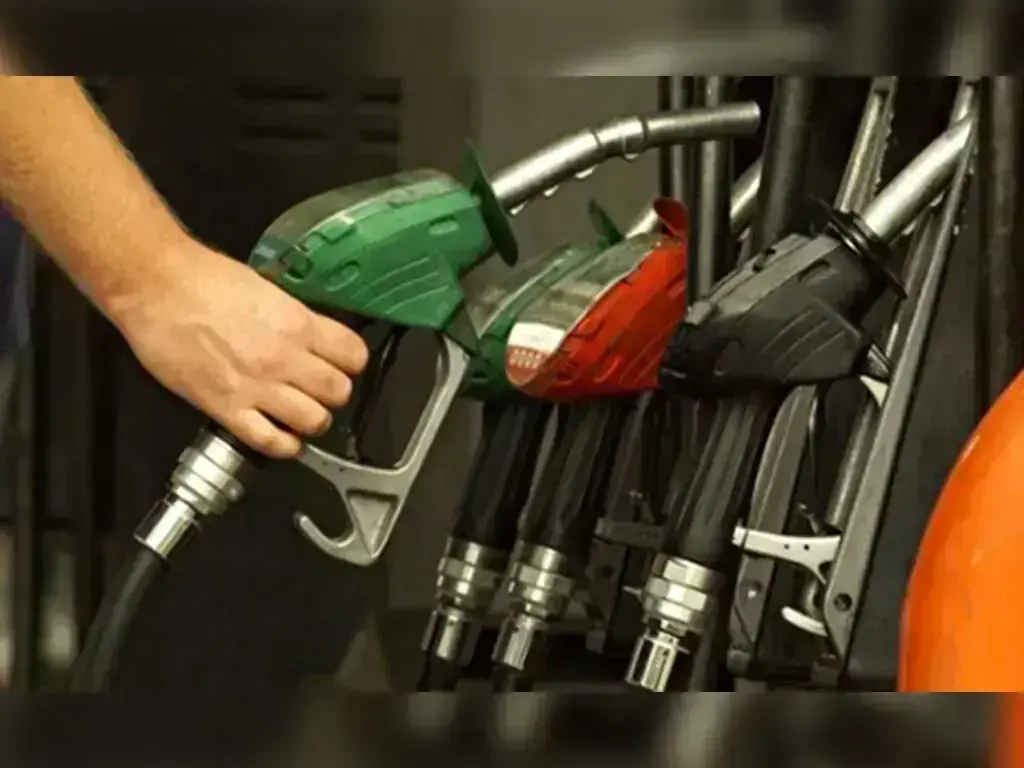
The first fuel price notification of FY27 was expected to set the tone for the year. Instead, it has raised more questions than it answered.
On paper, the government remains committed to an ambitious petroleum levy (PL) collection target of roughly Rs1.7 trillion for FY27. The arithmetic behind that target is straightforward. Annual consumption of petrol and high-speed diesel is unlikely to be much different from the roughly 17 billion litres sold in recent years. Even allowing for contributions from other petroleum products, achieving the revenue target would require an average levy substantially higher than where it stands today.
Following the latest price notification, the petroleum levy now stands at Rs70 per litre on both petrol and HSD.
That is where the pricing strategy begins to look inconsistent.
Barely two weeks ago, consumers received a sizeable reduction in retail fuel prices. The decline was not merely a pass-through of lower international prices. It was accompanied by a reduction in the petroleum levy itself, effectively giving away fiscal space that will eventually have to be recovered if the FY27 target is to be met.
The timing makes the decision even harder to reconcile. The beginning of a fiscal year is precisely when governments have the greatest flexibility to gradually build revenue buffers. International oil prices had softened sufficiently to allow part of the benefit to be retained through a higher levy while still delivering consumers a meaningful reduction at the pump. Instead, the government opted to lower the levy alongside retail prices, only to enter FY27 with a levy level that now appears well below what its own budget arithmetic demands.
There is one area, however, where the government has moved exactly as expected.
The Climate Support Levy has now been increased from Rs2.5 per litre to Rs5 per litre, bringing implementation in line with commitments made under the IMF programme. The revision also vindicates concerns raised earlier by BR Research after the FY27 budget documents appeared to assume collections at the lower rate, despite Pakistan’s commitment to double the levy.
But the Climate Support Levy is not where the real revenue challenge lies.
Even after the increase, the CSL contributes only a fraction of the overall revenue requirement. The heavy lifting must still come from the petroleum levy. And that is where the numbers become uncomfortable. Based on current consumption patterns, a FY27 petroleum levy target of around Rs1.7 trillion implies an effective levy well north of current levels. A rate of Rs70 per litre on petrol and HSD leaves a sizeable gap that will eventually need to be bridged.
Perhaps policymakers are simply taking advantage of the breathing room that comes with the start of a new fiscal year. Revenue collection pressures remain limited, quarterly performance benchmarks are still some distance away, and the next IMF review is not imminent. There is little immediate urgency to maximise collections.
That comfort, however, may prove temporary.
The longer the government postpones petroleum levy adjustments, the steeper the eventual increase may need to be. Gradual calibration is almost always easier to implement than large, sudden revisions, particularly once international oil prices begin moving higher again. Today’s relatively benign crude environment offers precisely the kind of opportunity policymakers typically seek to strengthen fiscal buffers.
If that opportunity is allowed to pass, the government may find itself raising the petroleum levy under far less favourable market conditions, making an already difficult fiscal adjustment even more painful.
















Comments