


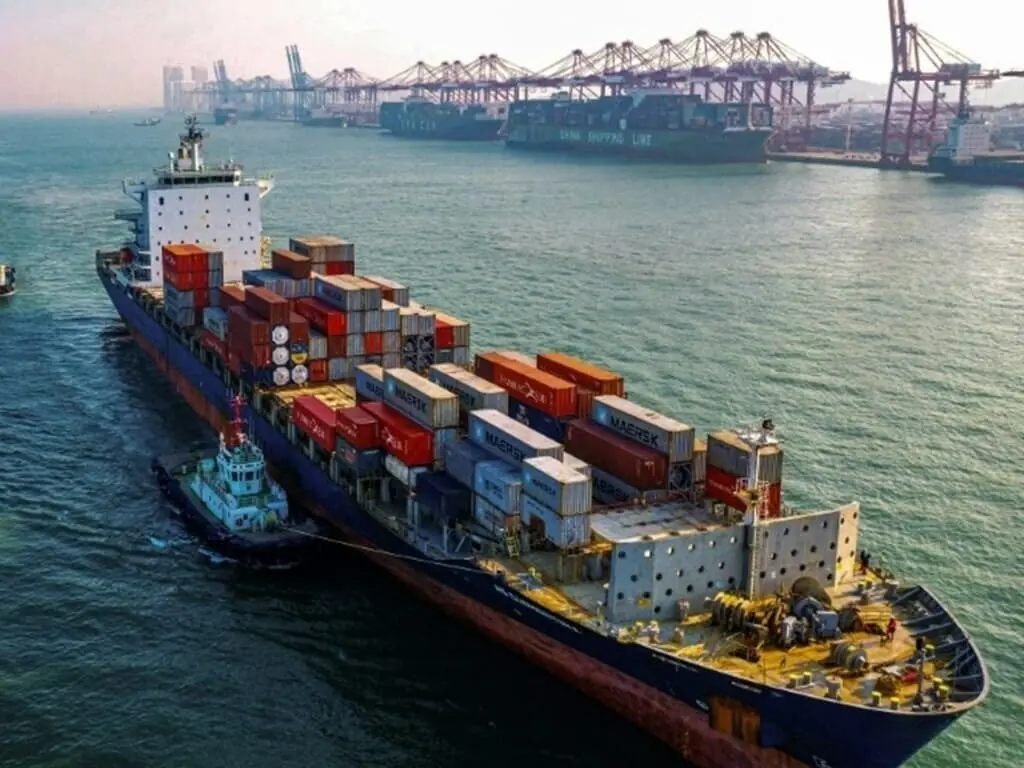

ISLAMABAD: From modernising ports and digitising customs operations to reviving ship recycling and strengthening domestic dredging capacity, Pakistan’s maritime sector is undergoing one of its most comprehensive reform drives in decades under the Prime Minister’s Maritime Task Force, according to the latest official implementation review.
Officials said the Reform Implementation Committee, established in December 2024, has completed 85 of the 99 reform measures approved by the Prime Minister’s Task Force, while another 11 are in the final stages of implementation and three continue under a long-term strategy.
The committee comprises experts from the Ministry of Defence, the National Logistics Corporation (NLC), maritime and logistics sectors, along with representatives of other relevant institutions.
READ MORE: PM task force completes 85 of 99 maritime reform action points
The reforms were initiated after a comprehensive review identified long-standing structural and operational shortcomings that had constrained Pakistan’s maritime potential. These included slow cargo clearance, fragmented governance, outdated infrastructure, inadequate digitisation, declining national shipping capacity and limited indigenous dredging capability, all of which affected trade efficiency and increased logistics costs.
According to the implementation report, the reforms have brought significant improvements to port operations.
Authorities have completed the National Ports Master Plan, standardised tariffs across major ports, introduced measures to reduce cargo dwell time, strengthened transit trade operations and expanded cargo examination and handling facilities. Reforms have also focused on improving compliance with concession agreements, enhancing operational oversight and modernising port infrastructure.
Digitisation has been one of the major pillars of the reform programme. Authorities have rolled out key Pakistan Single Window (PSW) modules, deployed Enterprise Resource Planning (ERP) systems, introduced Vessel Traffic Management Systems (VTMS), established Business Intelligence dashboards and enabled digital financial transactions and real-time container tracking to improve transparency and facilitate trade. The comprehensive revamp of the WeBOC customs system remains among the reforms still under implementation. The report also highlights governance reforms, including third-party performance audits of Karachi Port Trust (KPT), Port Qasim Authority (PQA), Gwadar Port Authority (GPA) and the Pakistan National Shipping Corporation (PNSC). Measures have been introduced to expand customs examination facilities, improve management of off-dock terminals, introduce pre-arrival filing of goods declarations; strengthen customs procedures relating to transshipment and bunkering, and address encroachments on Karachi Port land.
The shipping sector has also undergone extensive restructuring. The reforms include fleet modernisation plans for the Pakistan National Shipping Corporation, cargo preference policies for Pakistani-flagged vessels, diversification into container, LPG and edible oil shipping, tax relief for seafarers and initiatives to attract private investment in maritime transport. Work continues on coastal shipping incentives and simplification of ship registration procedures.
In the shipbuilding sector, authorities have promoted greater commercial activity at Karachi Shipyard and Engineering Works (KS&EW), encouraged construction of harbour craft and commercial vessels locally and pursued partnerships with international shipyards. Officials said ship recycling at Gadani has resumed after an eight-year hiatus, supported by implementation of the Hong Kong Convention and related legislative reforms. Another major achievement has been the establishment of the National Dredging and Marine Services, which is expected to enhance Pakistan’s self-reliance in dredging and reduce dependence on foreign contractors for maintaining navigational channels.
The fisheries sector has also been brought under the reform agenda. Authorities have finalised a five-year provincial fisheries development plan, promoted shrimp farming, encouraged investment in seafood processing, expanded hatchery initiatives and introduced measures to improve cold-chain infrastructure and minimise post-harvest losses, with the objective of increasing fisheries production and exports.
According to the latest implementation review, the remaining reform agenda includes completion of the WeBOC modernisation project, coastal shipping initiatives, hazardous waste management facilities for ship recycling and other governance-related measures. Officials said the reforms are intended to create a more efficient, competitive and digitally integrated maritime sector capable of supporting higher trade volumes, reducing logistics costs and strengthening Pakistan’s position as a regional maritime and trade hub.
















Comments