


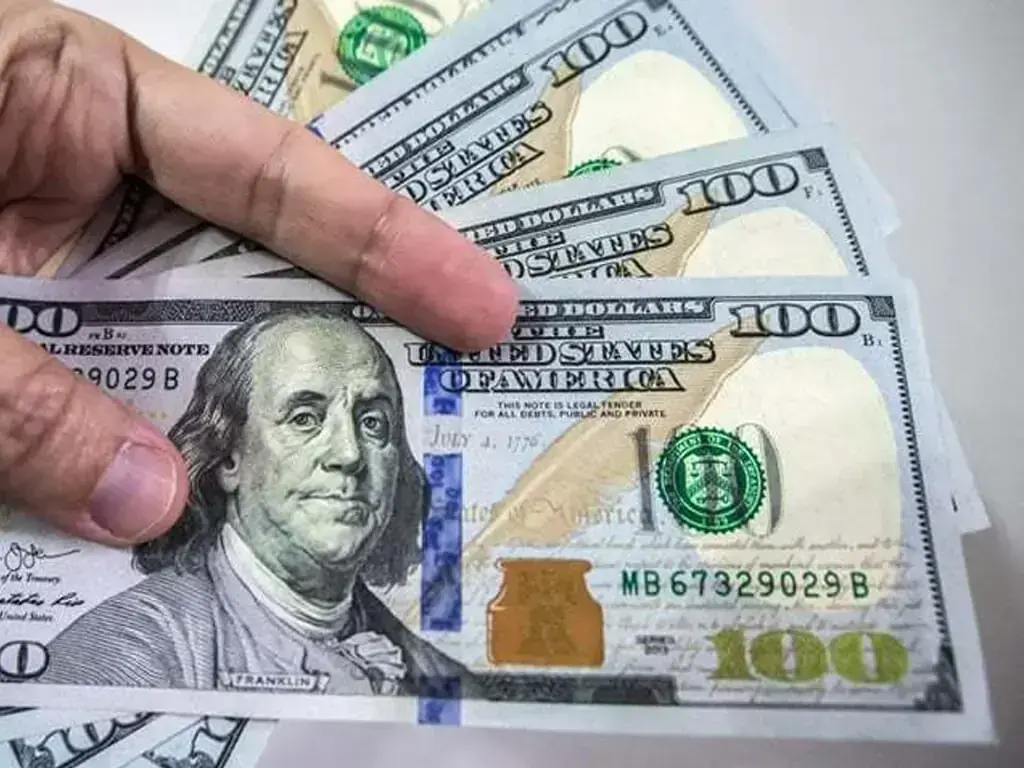

LONDON: The US dollar was heading towards its biggest weekly loss in 12 weeks on Friday after Thursday’s tepid US jobs report cooled market expectations for a near-term Federal Reserve interest rate hike, providing relief for the Japanese yen.
Broad dollar weakness lifted the euro to USD1.1440, after it hit a nearly two-week high the day before. It was up 0.5percent on the week. The pound firmed to USD1.3352 for a 1.1percent weekly gain, its best in nearly three months. The stronger dollar also offered respite for the Japanese yen, which strengthened to less than 161 per dollar, but markets remained nervous about intervention risks after a sudden jump on Thursday lifted the currency from a 40-year low of 162.84. It was last at 161.25.
The dollar fell after US job growth slowed sharply in June and payroll gains for the prior two months were revised lower, prompting traders to trim bets on a near-term Fed rate rise. Markets are pricing in about a 45percent chance for a hike at the September meeting, according to the CME FedWatch tool. US Treasuries were closed on Friday for the Independence Day holiday.
“We don’t have a hike in our forecast, so this was in line with our views that we would get a turnaround here eventually and a weaker dollar,” said Karl Steiner, head of analysis at SEB. “I wouldn’t be surprised if we see some more downside.”
The dollar index, which measures the US currency against a basket including the yen and the euro, was roughly 0.2percent lower at 100.83 after a 0.5percent dip on Thursday. It was down 0.5percent for the week, the biggest weekly drop since early April.
Although the yen has recovered from 40-year lows, investors remained on alert for possible intervention during a holiday-thinned session with US markets closed for Independence Day. “You have to have it on the radar,” said SEB’s Steiner, referring to the possibility of intervention. “Historically they have preferred to do it whenever there is lower liquidity.” Japan issued a warning to currency markets on Friday as Finance Minister Satsuki Katayama said Tokyo was in regular contact with Washington on foreign exchange issues and remained ready to support the yen.
Japan’s Chief Cabinet Secretary Minoru Kihara said they were closely monitoring market movements with a sense of urgency. Markets are concerned about Japanese officials abandoning their habit of telegraphing risks, instead signalling a more targeted campaign to squeeze speculators and raise the cost of betting against the yen. “The bigger question is what comes next,” said Tony Sycamore, an analyst at IG, who said the recent 40-year peak in dollar-yen has become a short-term top.
“Whether it becomes a more meaningful medium-term high will ultimately depend on incoming US data and, to some degree, developments in the Japanese government bond market.”

























Comments