


Agriculture policy: PM urged to adopt farmer-led reforms
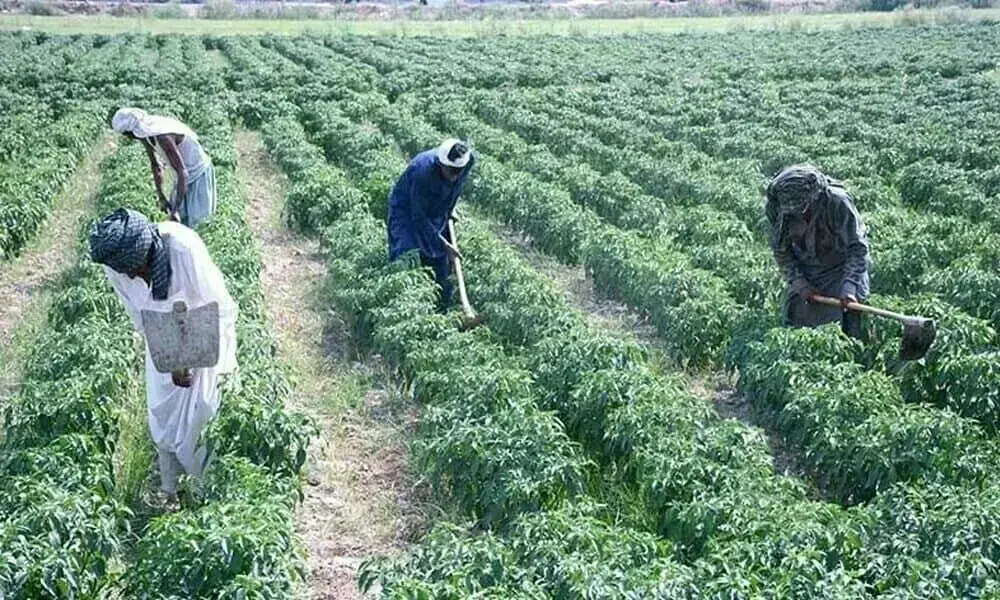
LAHORE: Agriculture Republic, a think tank working on agricultural policy and reforms, has welcomed Prime Minister Shehbaz Sharif’s announcement to establish an apex forum and formulate a comprehensive national agriculture policy, urging the government to incorporate farmer-led, market-oriented reforms into both initiatives.
It said such measures would help transform Pakistan’s agriculture into a resilient, value-added and globally competitive sector capable of driving sustainable economic growth.
In a letter addressed to the prime minister, Aamer Hayat Bhandara, Co-founder of the think tank and also a former member of the Agriculture Yield Improvement Committee constituted during the premier’s previous tenure, described the initiative as a timely opportunity to address long-standing structural challenges facing the agriculture sector.
Referring to the launch of the Green Pakistan Initiative, Aamer who is also member of the Punjab Agriculture Commission said Pakistan’s agricultural transformation required a shift from conventional farming towards climate-compatible development, modern agricultural marketing systems and the conversion of traditional cooperatives into corporate agricultural enterprises to improve productivity, exports and value addition.
The letter proposed expanding the Zarkhez-e Agricultural Loan Programme by replacing demand-based financing with running finance, arguing that such flexibility would enable farmers to avoid distress sales immediately after harvest and reduce dependence on government subsidies.
It also called for the digitization and modernization of grain and vegetable markets through the installation of electronic weighing systems to eliminate under-weighing practices and ensure transparent transactions. The introduction of digital payment mechanisms in mandis, it said, would help document agricultural trade and broaden the formal economy while increasing government revenues without imposing additional burdens on farmers.
Highlighting water security as a key policy priority, the letter noted that Pakistan’s agriculture, which contributes nearly one-fourth of the country’s GDP, remained heavily dependent on the Indus River System. It urged the government to incorporate climate-adaptive irrigation, efficient on-farm water management and contingency planning into the National Agriculture Policy to address growing risks arising from climate change and regional water uncertainties.
The farmer also recommended the development of an integrated agricultural logistics framework, including organised collection centres, improved cold-chain infrastructure, digital transport management and better coordination of market arrivals to reduce transportation costs, minimise post-harvest losses and improve farm profitability.
The communication further proposed transforming conventional agricultural cooperatives into professionally managed joint-stock corporate enterprises to facilitate access to finance, technology and value-added opportunities for smallholders.
To strengthen farmer protection, it called for establishing a provincial agricultural accountability and compensation framework through an independent tribunal to hold seed, fertiliser and pesticide suppliers accountable where verified product failures result in crop losses.
Drawing attention to post-harvest inefficiencies, the letter observed that Pakistan loses nearly 35 percent of its agricultural produce after harvest due to inadequate storage and handling facilities, while losses for highly perishable commodities range between 20 and 40 percent. It recommended scaling up a nationwide Electronic Warehouse Receipt (EWR) system to facilitate secure storage, commodity financing, inventory management and more efficient marketing.
The farmer also offered his services to the proposed Apex Forum or any of its technical working groups, expressing willingness to contribute practical policy recommendations aimed at enhancing food security, increasing farmers’ incomes, promoting agricultural exports and reducing fiscal pressure on the national exchequer.
Copyright Business Recorder, 2026















Comments