


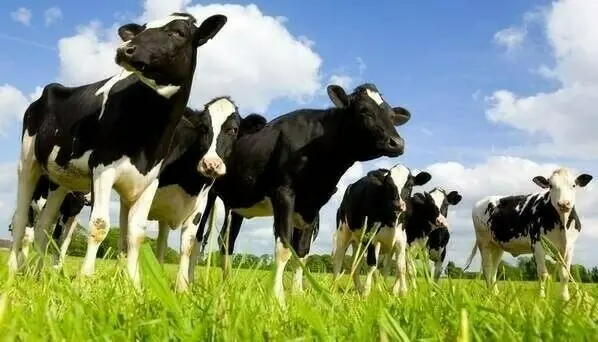

LAHORE: Pakistan should refrain from allowing the export of live animals and focus on expanding value-added Halal meat exports as unrestricted live animal exports could undermine the country’s livestock economy, meat processing industry and allied sectors while yielding lower long-term economic returns, said the All Pakistan Meat Exporters and Processors Association (AMEPA).
A policy paper, titled “Potential Negative Effects of Allowing Live Animal Exports from Pakistan”, prepared by the Association argues that while live animal exports may generate short-term foreign exchange earnings, they effectively transfer jobs, industrial activity and value addition to importing countries. It says Pakistan’s comparative advantage lies in slaughtering, processing, certifying and exporting Halal meat and livestock by-products rather than exporting animals in their raw form.
According to the paper, livestock is the largest component of Pakistan’s agriculture sector and serves as the foundation for several industries, including meat processing, leather, offal, pharmaceuticals, animal feed, cold-chain logistics and transport.
It cautions that any policy permitting live animal exports should be evaluated not merely as an export opportunity but in the context of herd sustainability, domestic meat availability, processing capacity and food security.
The report warns that unrestricted exports could divert healthy, slaughter-ready animals away from domestic markets and export-oriented processing plants, reducing the availability of quality livestock for local processors. Such a shift, it says, could increase domestic meat prices, weaken breeding potential by reducing the availability of superior genetics and disrupt long-term supply chain stability.
While farmers may benefit from temporarily higher prices, consumers, processors and exporters would eventually face rising costs and constrained supplies.
The paper notes that Pakistan has invested heavily in internationally compliant slaughterhouses, veterinary inspection systems, cold-chain facilities, laboratory testing and Halal certification. A reduction in domestic livestock availability would lower utilization of these facilities, increase operating costs and weaken Pakistan’s competitiveness in international meat markets.
It warns that the country risks shifting from a value-added Halal meat exporter to a supplier of raw livestock if live animal exports are allowed on a large scale.
It further highlights the likely impact on leather, offal and other downstream industries, saying that hides, skins, edible offal, bones, fats and other by-products generate significant economic activity after slaughter. Exporting animals before processing would deprive local industries of these raw materials and reduce business for packaging, logistics, cold storage and related service providers.
The report points out that exports of meat and meat products reached approximately Rs113 billion during July-March FY2025-26, demonstrating the sector’s growing export potential. It argues that processed meat exports generate substantially greater foreign exchange by creating multiple revenue streams from meat, offal, hides and other by-products while supporting employment throughout the value chain.
The policy paper also raises concerns over disease control and traceability, warning that large-scale live animal exports could increase biosecurity and reputational risks. It says any disease-related incident involving exported animals could damage Pakistan’s standing in international markets and lead to restrictions on meat exports.
APMEPA chairman Abdul Hannan, sharing the policy note with the Business Recorder, said they had prepared it as reaction to news that Punjab had permitted export of live animals and recommended through this paper that general live animal exports should not be allowed and instead strengthen the domestic meat processing industry through investment in cold-chain infrastructure, traceability systems, livestock identification, certification, breed improvement and international marketing.
Such a strategy, it concludes, would retain value addition within Pakistan, create employment, support allied industries and generate more sustainable export earnings for the national economy.
Copyright Business Recorder, 2026


























Comments