



PESHAWAR: Chief Organiser of the Pakistan Business Forum (PBF), Ahmad Jawad has stated that the continued implementation and preservation of the Indus Waters Treaty (IWT) is indispensable for ensuring peace, regional stability, and sustainable development in South Asia.
The PBF emphasized that the treaty remains the cornerstone of the fair and equitable distribution of water resources between Pakistan and India and should not be undermined through unilateral actions. Ahmad Jawad was addressing the Indus Waters Treaty Seminar on Tuesday, said in a press release here.
PBF chief organizer said that any unilateral suspension or violation of the treaty is not only inconsistent with its spirit and legal framework but also poses a serious threat to regional peace and stability. He warned that such actions may have already begun to undermine mutual trust and create unnecessary tensions between the two neighboring countries.
Jawad stressed that water is not merely an economic resource but a vital lifeline for millions of people. Any unilateral attempt to alter the natural flow of rivers or manipulate water management without mutual consultation could have devastating consequences for Pakistan’s agricultural sector. He pointed out that nearly 80 percent of Pakistan’s agriculture depends directly on river water, making uninterrupted and predictable water flows essential for the country’s food production, rural livelihoods, and overall economic stability.
He further explained that agriculture is the backbone of Pakistan’s economy, employing millions of people and contributing significantly to the country’s GDP. Any disruption in water availability would directly affect crop yields, food security, employment, and export earnings, ultimately placing additional pressure on an already fragile economy.
According to Ahmad Jawad, unilateral policies concerning shared water resources not only violate international agreements but also erode confidence between states. He argued that water should serve as a source of cooperation rather than conflict, and that mutual respect, dialogue, and adherence to international treaties are the only sustainable foundations for long-term peace and prosperity in South Asia.
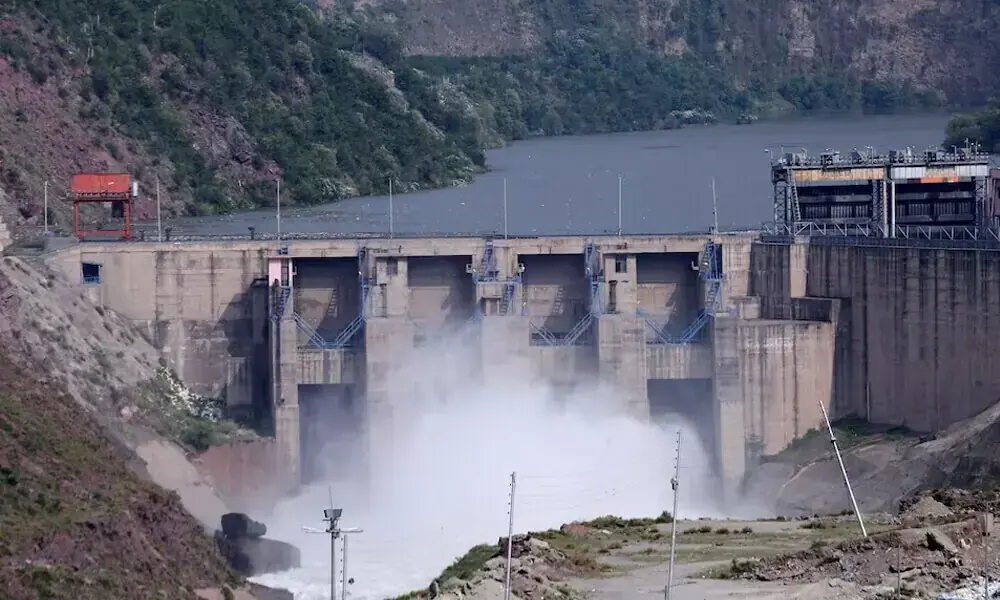
He cautioned that if India proceeds with the construction of additional upstream water infrastructure or undertakes projects that significantly alter the natural flow of rivers allocated under the Indus Waters Treaty, regional tensions could escalate further. Such actions, he said, would undermine the principles of international law governing transboundary water resources and increase the risk of confrontation between the two nuclear-armed neighbors.
Ahmad Jawad urged all relevant stakeholders to resolve water-related disputes through constructive dialogue, diplomatic engagement, and strict adherence to international agreements rather than through unilateral measures.
Copyright Business Recorder, 2026


























Comments