


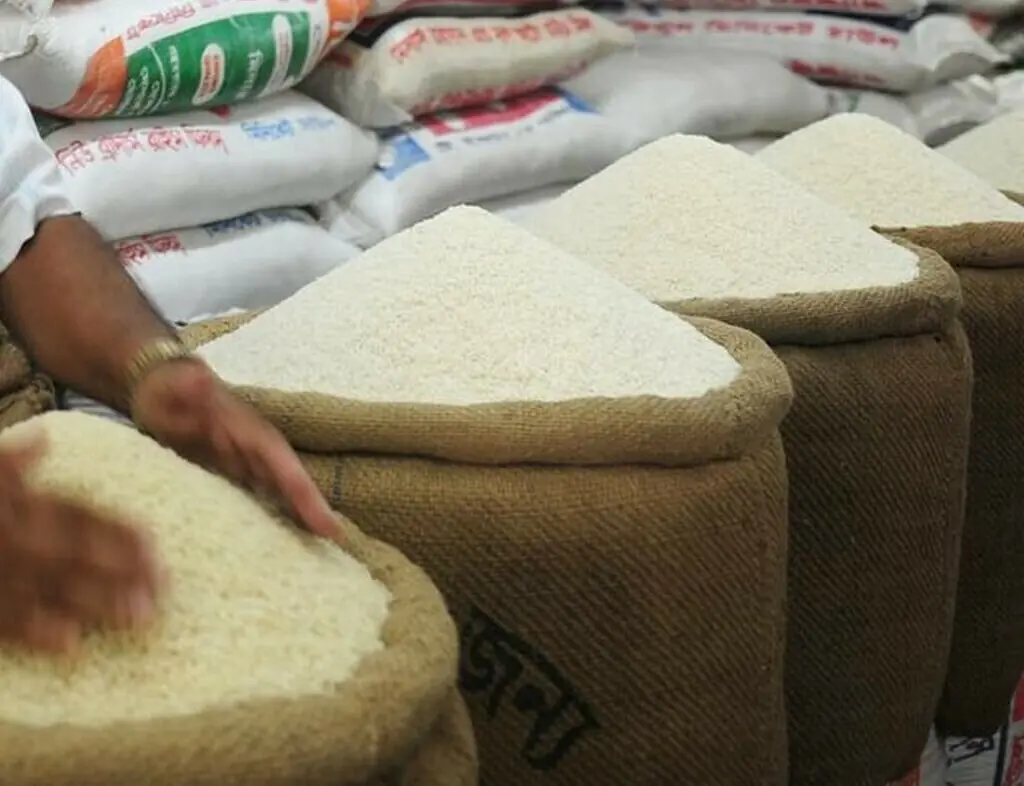

KARACHI: Rice exporters have urged the government to extend incentives under the Duty and Tax Remission for Exporters (DLTL) scheme for another three to six months, warning that the expiry of the facility could hamper rice export already affected by the Middle East conflict and soaring shipping costs.
They warned that Pakistan’s rice exports could suffer further setbacks if the government did not grant extension and timely relief to the rice sector.
Javed Jillani, senior vice chairman of the Rice Exporters Association of Pakistan (REAP), said the conflict in the Middle East had severely disrupted Pakistan’s rice exports, which was already facing multiple challenges.
He said Pakistan’s rice export was disturbed due to a severe shortage of shipping vessels since the US-Iran conflict, while freight and insurance charges increased sharply, preventing many exporters from fulfilling their foreign orders on time and several international buyers turned to alternative suppliers.
He said the federal government had introduced support for rice exporters under the Duty and Tax Remission for Exporters (DLTL) scheme through the Export Development Fund (EDF) in January this year for a period of five months. However, the facility was set to expire on June 30 despite exporters continuing to face significant challenges.
“Therefore, we have urged the government to extend the DLTL scheme for another six months, or at least three months until September 30, 2026, to help boost Pakistan’s rice exports, ease the financial difficulties faced by exporters, and increase the country’s foreign exchange earnings,” he added.
He argued that this move would provide much-needed relief to the Pakistani rice exporters.
“If the federal government accepted rice exporters demand and extension is approved, Pakistan’s rice exports could surpass USD3 billion,” Jillani said.
Meanwhile, Rafique Suleman, convener of the FPCCI committee and a former chairman of REAP, warned the government that failure to extend the DLTL scheme would not only hurt rice exporters, but it would also adversely affect rice millers, stockist and farmers.
“If farmers fail to receive fair prices for their produce, the next rice crop could also be affected as reduced export competitiveness would discourage cultivation and investment in the sector,” he added.
Suleman said that Pakistani rice exporters had been facing a stiff challenge in the global market, and there was currently a 30 to 40 percent price gap between Pakistani and Indian rice in the international markets.
He called on the federal government to introduce a uniform rebate rate for both basmati and non-basmati rice to help improve Pakistan’s competitive position.
Suleman also called for a uniform rebate rate for both basmati and non-basmati rice.
He said the government currently offers a three percent rebate on non-basmati rice and nine percent on basmati rice, creating an uneven playing field.
Since non-basmati rice exporters had been facing greater challenges in the international markets, he urged the government to set the rebate at nine percent for all the rice varieties.
Copyright Business Recorder, 2026




















Comments