


Experts says stronger infrastructure needed to accelerate EV industry growth
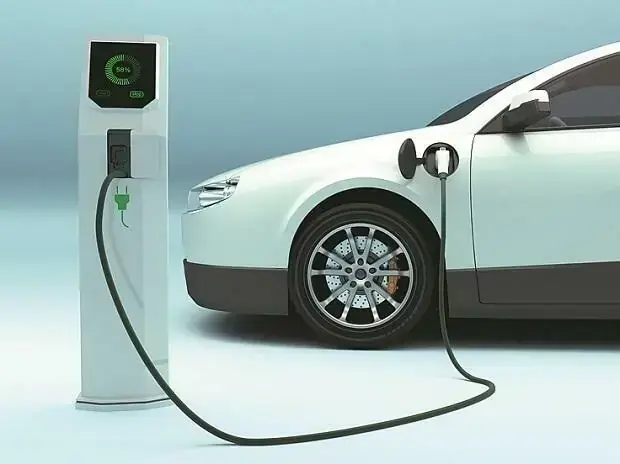
KARACHI: Experts have called for long-term policy consistency, stronger infrastructure and increased investment in research to accelerate the growth of Pakistan’s electric vehicle (EV) industry, during a webinar on the federal budget 2026-27 organised by Indus Consortium.
The webinar, titled “Budget 2026-27: What It Means for Pakistan’s EV Future”, brought together policy experts and industry stakeholders to review the impact of the budget on the country’s transition towards cleaner transport.
Yasir Hussain, Director of the Climate Action Centre (CAC) said fears of higher taxes on new energy vehicles had not materialised, as the government had left NEVP-related taxes unchanged. However, taxes on luxury vehicles worth more than Rs20 million had been increased.
He said subsidies for electric two and three-wheelers would continue and added that EV bike sales had increased by 61 per cent following the Hormuz developments. He also revealed that two battery manufacturing plants were currently under development in Karachi, signaling growing local investment in the sector.
Dr Aazir Khan, Director of the Integrated Engineering Centre of Excellence (IECE) at the University of Lahore, described the federal budget as a stabilisation budget with a fiscal deficit of Rs7 trillion. He said EV subsidies remained limited despite an increase in grants and development spending.
He also highlighted the need for greater investment in electricity grid stabilisation, warning that expanding EV adoption would place additional demand on the power network. He said the budget reflected a stronger focus on localisation, noting that customs duties on completely built units (CBUs) remained in place.
Saif Muhammad Shah, Senior Research Associate at the FPCCI, said the one-year incentive framework could create uncertainty for investors. He suggested extending the policy horizon to three to five years to provide greater confidence for businesses planning investments in the EV sector. He also called for greater investment in EV research and development, arguing that the current speed and range of electric bikes needed improvement.
Shah also stressed the need for charging infrastructure development and a dedicated policy for heavy-duty vehicles, which account for a significant share of transport-related emissions.
Manager Programs Indus Consortium, Dr Majid Bilal, and board member Jamshaid Farid also addressed the webinar.
Copyright Business Recorder, 2026










Comments