


Inflation may remain in double digits for next few months: SBP
The State Bank of Pakistan anticipates inflation will remain in double digits for several months due to global oil prices and supply disruptions, before gradually easing later.
- Global oil prices and Middle East crisis impact on inflation.
- Factors driving core and food inflation increases.
- Key risks to Pakistan's future inflation outlook.
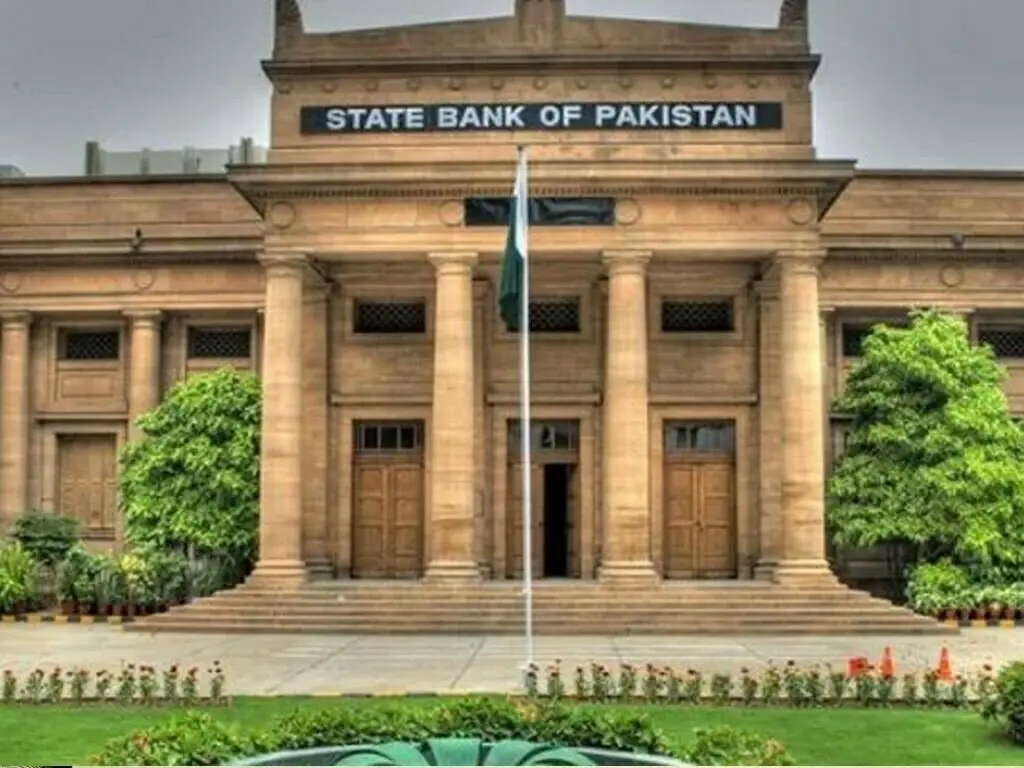

KARACHI: The State Bank of Pakistan (SBP) expects that inflation may remain in double digits for the next few months, before gradually easing subsequently.
According to monetary policy statement issued by the SBP, headline inflation rose sharply from 7.3 percent in March to 10.9 percent YoY in April and 11.7 percent in May due to rise in global oil prices and supply disruptions amid Middle East crisis.
Average inflation for July-April FY 2026 was recorded at 6.2 percent, higher than 4.7 percent recorded during the same period of previous year.
Apart from the low base effect, the Middle East conflict has fueled inflation directly through the hike in domestic energy prices as well as indirectly through the rise in transportation and production costs.
READ MORE: Global uncertainty, oil volatility to drive inflation in Pakistan
The conflict has contributed to an increase in core inflation to 8.2 percent in April and 8.7 percent in May. Further, unanticipated surge in wheat and its product prices pushed up food inflation significantly during the last two months.
The Monetary Policy Committee (MPC) assessed that inflation may remain in double digits for the next few months, before gradually easing subsequently. The federal government has also projected average inflation to reach 8.2 percent by the end of the next fiscal year.
However, the SBP mentioned that this outlook is subject to multiple risks, including geopolitical developments, the extent of pass-through of global prices to domestic fuel prices, magnitude of adjustments in power and gas tariffs, potential fiscal slippages, and uncertain food prices amidst weather-related challenges.
It may be mentioned that Economic Survey has also projected that rising global energy prices and are expected to keep inflationary pressures elevated through higher production and transportation costs, thereby posing challenges for industrial cost structures and external sector stability.
The inflation was remained broadly stable during the first three quarters of FY 2026. However, the emergence of an external shock amid geopolitical tensions at the end of third quarter has increased its vulnerability to renewed price pressures, warranting continued vigilance and timely policy response to preserve macroeconomic stability.
Copyright Business Recorder, 2026




















Comments