


Textile, beverages, steel, poultry, edible oil and ghee sectors: FBR asked to expand digital monitoring systems by Dec
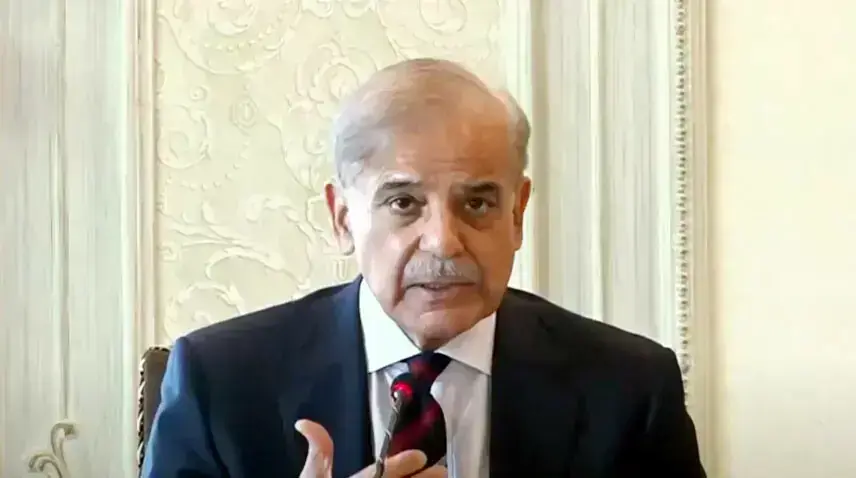

ISLAMABAD: In a fresh push to widen the tax base, Prime Minister Shehbaz Sharif on Wednesday directed the Federal Board of Revenue (FBR) to map the country’s actual tax potential through a scientific system and identify individuals and businesses operating outside the documented economy.
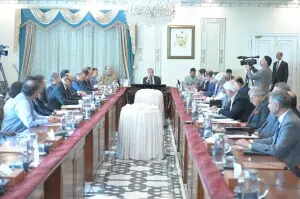
Chairing a weekly review meeting on FBR reforms, the prime minister ordered a sector-by-sector tax assessment and directed authorities to use data from the power sector and other institutions to identify non-compliant taxpayers and proceed against them under the law.
The meeting was informed that newly introduced production tracking systems had already identified significant revenue potential, with five major sectors holding tax potential of more than Rs 700 billion.
READ MORE: PM Shehbaz approves formation of digital ecosystem in FBR
The prime minister said the successful alignment of sugar production data with FBR records marked a major improvement in tax monitoring, describing it as evidence that the department’s tracking mechanism was producing results.
“For the first time in history of the country, the alignment between data from the sugar production sector and FBR records is clear evidence that the tracking system installed by the FBR is functioning effectively and showing improved performance,” he said.
The prime minister directed the FBR to expand digital monitoring systems to the textile, beverages, steel, poultry, edible oil and ghee, and tyre sectors by December.
The officials briefed the meeting that tracking systems in the sugar, cement, tobacco, tiles and fertilizer sectors were already fully operational, while work was underway in nine additional production sectors to introduce systems aimed at utilizing an estimated Rs 560 billion in tax potential.
The prime minister directed that tracking systems for collecting indirect taxes from the production sector must be completed by the end of the current year.
In a bid to address concerns of traders and businesses, he directed FBR Chairman Rasheed Langrial and senior officials to remain in Karachi during the first week of every month to hear and resolve industry complaints.
He said taxpayers complying with regulations and contributing to the national exchequer were valuable stakeholders and should be facilitated.
Sharif added that the government had provided maximum support to both export-oriented and domestic industries and would continue efforts to improve the taxation environment.
He also ordered reforms within the FBR’s internal structure, directing that appointments and transfers be conducted strictly on merit, with transparency and professionalism guiding the process.
The officials said a new peer review and evaluation mechanism had been introduced to ensure credible appointments in Customs and Inland Revenue, reward high-performing officers and take action against those failing to meet performance standards.
The prime minister directed the preparation of a list of outstanding officers who would be recognized through awards on Independence Day.
The meeting was informed that 957 third-party auditors had been appointed to strengthen oversight, while recruitment of 280 goods evaluators under the Customs faceless system was underway.
The officials said the faceless Customs system had reduced clearance times, improved movement of goods and increased recoveries. The prime minister also ordered immediate third-party audits and validation of Customs bonded warehouses to identify and address irregularities.
The officials told the meeting that newly recruited FBR officers were being trained at leading universities, while existing officers were also receiving training through modules aligned with international standards and Pakistan’s tax requirements.
To reduce unnecessary litigation, the FBR is establishing a case scrutiny committee to assess tax cases before legal proceedings are initiated, ensuring decisions are taken on merit.
The officials further informed the meeting that under Alternative Dispute Resolution Committees (ADRCs), 152 out of 377 applications had been resolved within 90 days up to June 2026, resulting in recovery of Rs54 billion in taxes.
The prime minister ordered the FBR to fast-track reforms within the year, directing authorities to deploy digital monitoring and enforcement measures to track down non-compliant taxpayers and close revenue gaps.
Copyright Business Recorder, 2026























Comments