


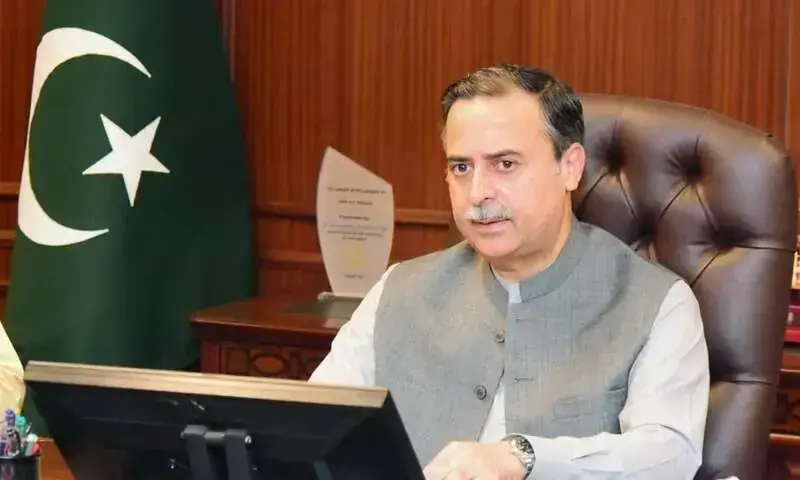

ISLAMABAD: Federal Minister for Maritime Affairs Muhammad Junaid Anwar Chaudhry on Monday called for treating ocean waste as a valuable resource to promote a blue circular economy, stating that the ministry has started a large-scale harbour clean-up drive, and over 58,000 kgs of floating waste had been removed from Karachi harbour.
According to official figures released here, the maritime ministry announced that under the “Cleaner Port, Healthier Marine Ecosystem” the Karachi Port Trust (KPT) had stepped up cleaning operations across key locations, including East Wharf, West Wharf, oil piers and Boat Basin Jetty, removing more than 58,000 kgs of solid waste from harbour waters in three phases during the first two weeks of May.
The initiative is aimed at reducing marine pollution and safeguarding coastal biodiversity. The waste, mostly plastic and marine debris, was collected through 159 boat sorties involving 487 personnel. The recovered waste was shifted to the Sindh Solid Waste Management Board’s disposal facilities in line with environmental protocols.
Junaid Chaudhry said the initiative reflects a broader push towards a blue circular economy, adding that marine waste should be treated as a recoverable resource rather than only a pollutant. He noted that the fisheries and aquaculture sectors could significantly reduce marine plastic leakage through recycling and upcycling practices, including converting used fishing nets into new products and processing fish waste into fertilisers, feed, and bio-products.
He added that integrating waste collection into fishing operations and recycling recovered debris could help turn environmental challenges into economic opportunities for small and medium enterprises engaged in circular economy models.
Chaudhry said a significant portion of plastic and debris entering the sea originates from urban drainage systems, which continuously carry untreated waste into coastal waters. He warned that this remains a major contributor to marine pollution and poses serious risks to biodiversity, fisheries, and port operations.
He further said that if the waste collected from Karachi Harbour were properly sorted and channelled into recycling streams, its estimated economic value could range between USD7,000 and USD 32,000, depending on material composition and market conditions. Using a mid-range estimate of around USD 0.30 per kilogram, the potential value would be approximately USD 17,535.
He noted that actual returns vary significantly depending on the proportion of recyclable plastics such as PET and HDPE, levels of contamination from seawater, oil, or sludge, and processing costs. Market prices for mixed plastic scrap in South Asia typically range between USD 0.10 and USD 0.55 per kilogram, with higher-quality PET and HDPE fetching better returns.
The minister emphasised that improved waste segregation at source and strengthened port recycling infrastructure are essential to maximising both environmental and economic benefits from such operations. Reiterating the government’s commitment, he said continued removal of floating waste is critical to protecting marine life, ensuring navigational safety, and maintaining cleaner and more sustainable port environments, while also addressing rising urban marine pollution.
Copyright Business Recorder, 2026

























Comments