


Weekly Cotton Review: Sector shows early signs of seasonal activity
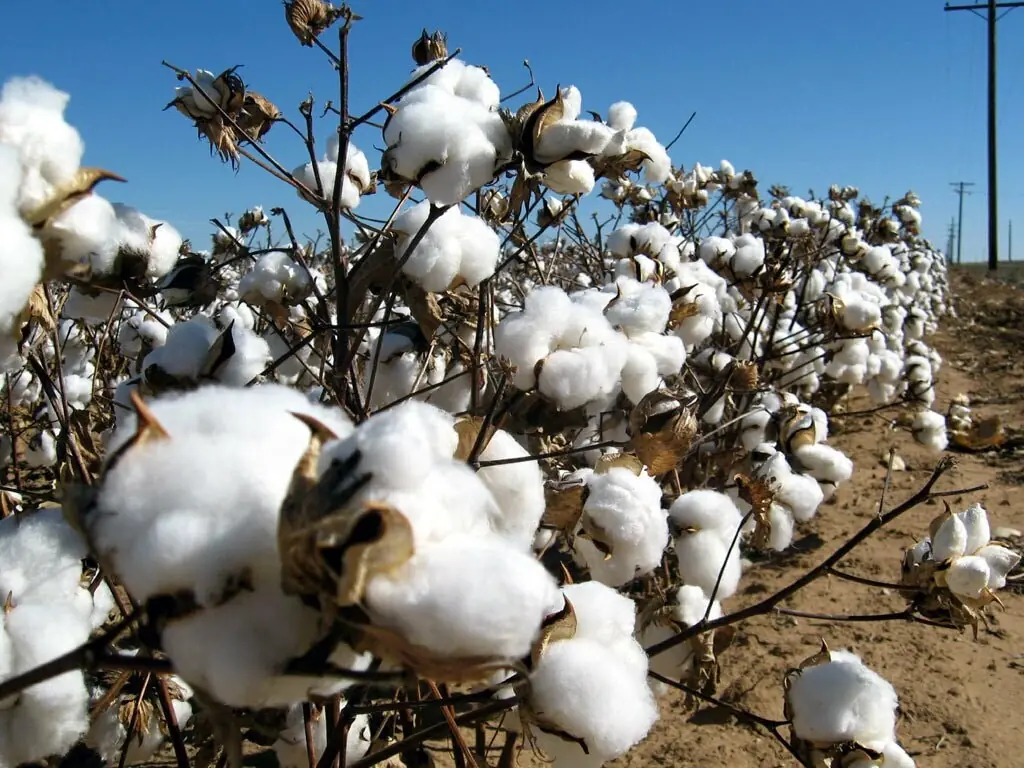

KARACHI: Pakistan’s cotton sector is showing early signs of seasonal activity, with trade sources indicating that the new cotton crop is likely to arrive in the market ahead of the usual schedule. In a significant development, approximately four to five ginning factories across Sindh and Punjab are expected to commence partial operations as early as May, underscoring the faster-than-anticipated maturation of the new crop.
Price signals from the field reflect the season’s early momentum. New crop seed cotton, locally known as phutti, has fetched between Rs 10,000 and Rs 11,500 per 40 kilograms, while ginned cotton has been changing hands at Rs 21,750 to Rs 22,000 per maund. Traders and market observers attribute the upward pressure on cotton prices to the earlier onset of the new season, which has tightened near-term supply expectations and lifted sentiment across the cotton value chain.
However, the international price environment presents a contrasting picture. New York cotton futures, after experiencing sharp swings, recorded a notable decline of eight cents, a development that could temper enthusiasm in export-oriented segments of Pakistan’s textile sector if the trend persists.
On the policy front, the textile and apparel industry moved swiftly to engage the government ahead of the federal budget. A high-level delegation from the sector met with the Finance Minister and presented a detailed set of recommendations aimed at securing fiscal relief and boosting export competitiveness. The meeting underscores growing industry concern over cost pressures and the need for a supportive budgetary framework.
In a parallel development, the All Pakistan Textile Mills Association, APTMA, has mounted strong opposition to the Punjab Infrastructure Development Cess Amendment Bill 2026, arguing that the proposed levy would impose an additional financial burden on an industry already contending with elevated input costs. APTMA has warned that such a measure could undermine the competitiveness of Pakistani textiles in global markets at a time when the sector can least afford further cost escalation.
Adding weight to the industry’s concerns, APTMA Chairman Mian Kamran Arshad has written a formal letter to Federal Minister Rana Tanveer Hussain, urging the government to give cotton the policy attention it deserves as the country’s foremost foreign exchange-earning crop. In his communication, the chairman stressed that without deliberate and sustained government support for cotton cultivation and its downstream industrial use, Pakistan risks squandering one of its most valuable economic assets.
The local cotton market experienced an overall bullish trend during the past week, even as available stocks have shrunk to critically low levels. Currently, only approximately 20,000 bales remain in stock, making supply extremely tight across the market.
In a modest sign of seasonal activity, early-picked cotton from the new 2026-27 crop has begun arriving in partial quantities. However, full-scale ginning operations are not expected to resume until at least June 15, when some factories may begin working on a partial basis.
Prior to Eid ul-Adha, only two ginning factories one located in Burewala and another in Khanewal are anticipated to produce two to three lots each from the early-harvested cotton.
In terms of current pricing, early-picked Phutti is being traded at Rs. 10,000 to Rs. 11,600 per 40 kilograms, while processed cotton is fetching Rs. 21,250 to Rs. 22,000 per maund. In the province of Sindh, one or two ginning factories in Sanghar are also expected to resume limited operations in the near future.
On the policy front, the government has this year imposed a 0.9 percent Cess Tax on cotton transported from Sindh and Balochistan to Punjab, adding to the financial burden on the supply chain. Compounding the situation further, a sharp rise in energy, petrol, and diesel prices is expected to drive transportation costs significantly higher. As a result, textile mills in Punjab will likely be forced to pay considerably more for cotton sourced from Sindh, particularly during the early weeks of the season when a substantial volume of cotton traditionally moves from Sindh to Punjab’s mills.
Textile mill owners, meanwhile, have expressed concern over the sustainability of rising cotton prices. According to them, given the prevailing conditions in the cotton yarn market, a price of Rs. 18,000 to Rs. 18,500 per maund represents the maximum viable range, and any purchase above this threshold would translate into financial losses. This sentiment suggests that cotton prices may not climb steeply at the outset of the new season. However, market participants acknowledge that a significant rally in New York cotton futures could alter the outlook and shift market dynamics considerably.
The affectees of the Karachi Cotton Exchange Building have raised serious questions over the lack of a strong collective response to the occupation of the historic exchange building by the Federal Investigation Agency with the assistance of the Evacuee Trust Property Board. They noted that the Karachi Cotton Exchange, which was established even before the creation of Pakistan, holds immense historical significance, yet its seizure has failed to generate the level of protest that similar incidents have provoked elsewhere.
The affectees drew a sharp comparison with the situation in Multan, where all cotton-related institutions had jointly and forcefully opposed an attempt to hand over land belonging to the Cotton Crop Research Institute to the Multan Gymkhana. That unified resistance compelled the government to reverse its decision. The affectees questioned why an equally vigorous campaign had not been launched to protect the Karachi Cotton Exchange building, urging all stakeholders in the cotton industry to take immediate and decisive action.
They further noted that a case concerning the building is currently pending before the Sindh High Court and stressed that a well-organised and effective campaign must be launched without further delay to safeguard this historic institution.
On the domestic market front, cotton prices across Sindh and Punjab are currently ranging between 20,000 and 23,000 rupees per maund, varying according to quality and payment conditions.
Meanwhile, Naseem Usman, Chairman of the Karachi Cotton Brokers Forum, reported that after a recent uptick in international cotton prices, New York cotton futures retreated by eight American cents per pound. According to the weekly export and sales report released by the United States Department of Agriculture, total sales for the marketing year 2025–26 stood at 47,700 bales. Vietnam emerged as the leading buyer, purchasing 31,800 bales, followed by Indonesia in second place with 4,100 bales. Turkey and Pakistan both purchased 2,700 bales each, placing them in third and fourth positions respectively.
For the upcoming marketing year 2026–27, total sales were recorded at 29,700 bales. Vietnam once again led all purchasing nations with 31,800 bales, while Mexico ranked second with 8,800 bales and Bangladesh came in third with 4,400 bales.
Pakistan’s cotton sector has scripted history by commencing its ginning season during the second week of May for the very first time, marking a significant milestone in the country’s agricultural calendar. With cotton arrivals already underway in both Punjab and Sindh, prices of seed cotton and lint have registered an extraordinary surge right from the opening days of the season, signalling a buoyant market outlook for the months ahead.
On the ground, the early momentum is clearly visible. Following the partial harvesting of cotton in the coastal belt of Sindh, four ginning factories in Khanewal and one in Burewala have commenced processing operations over the past two days. Ginners based in Punjab have simultaneously begun procuring cotton from regions where early sowing was undertaken on a considerably larger scale this February compared to previous years. In Sanghar and Tando Adam, one ginning factory each has also initiated cotton procurement, with expectations that both will be running at full capacity within the coming days.
Cotton Ginners Forum Chairman Ihsan ul Haq confirmed that prices have climbed sharply from the very start of the new season. Initial transactions for seed cotton were recorded between Rs10,000 and Rs10,500 per 40 kilograms, while advance deals for lint were settled at around Rs21,700 per maund. The market has since moved higher, with seed cotton deals now being finalized at up to Rs11,600 per 40 kilograms and lint prices reaching Rs22,500 per maund. Several market sources have indicated that lint transactions are also taking place at Rs23,000 per maund, with some reports placing deals as high as Rs23,500 per maund, a development that has further strengthened expectations of a sustained upward trend in prices.
Haq also noted that the historically early start to the ginning season would prove beneficial for textile mills, which have been grappling with limited lint availability. Fresh supplies entering the market ahead of schedule are expected to ease the supply crunch before it deepens further. To put this development in perspective, Pakistan’s cotton ginning season has traditionally commenced in June. The cotton year 2025–26 had itself been considered a landmark, as the season opened in the third week of May. This year, however, the season has begun a full week earlier still, entering territory that has no precedent in the country’s cotton history.
Against this backdrop of record early activity, the industry is simultaneously pressing the government for structural reforms it says are long overdue. All Pakistan Textile Mills Association Chairman Kamran Arshad has addressed a strongly worded letter to Federal Minister for Food Security Rana Tanvir Hussain, demanding the immediate implementation of decisions already approved by the Cabinet Committee on cotton rehabilitation. The letter cautions that continued inaction and delays by the relevant authorities are inflicting measurable damage on the national economy.
Among the key demands outlined in the letter is a fundamental governance overhaul, specifically the dissolution of the Pakistan Central Cotton Committee and its replacement with an industry-led Pakistan Cotton Advisory Council. APTMA is also calling for the transfer of cotton cess collection to the Federal Board of Revenue to ensure greater transparency and accountability. The association further demands that 70 percent of the funds generated through cess be exclusively directed toward cotton research and development, and that the new institutional structure meaningfully incorporate the provinces, farmers, research bodies, and the seed sector as stakeholders.
Copyright Business Recorder, 2026




















Comments