


Security risks, external shocks continue to weigh on economic recovery: ADB
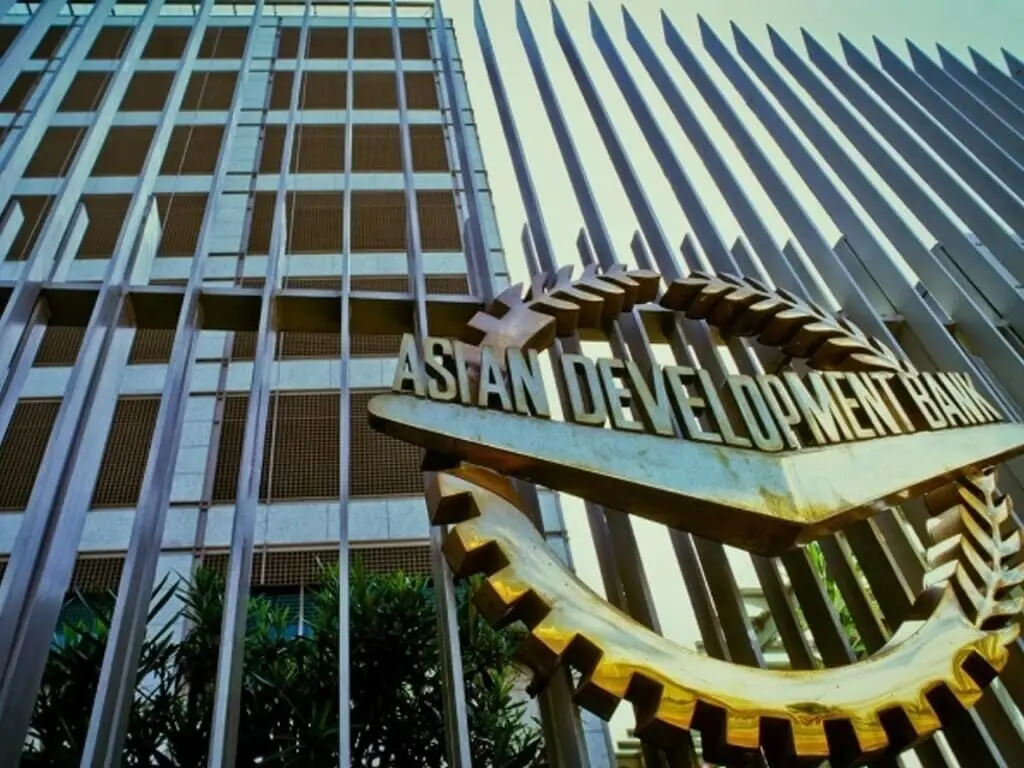

SAMARKAND, (Uzbekistan): The Asian Development Bank (ADB) said that security risks and persistent external shocks continue to weigh on Pakistan’s moderate economic recovery.
In a report titled “Factsheet for Pakistan”, the bank noted that deep-rooted structural bottlenecks, from land acquisition hurdles to funding gaps and currency volatility, are likely to affect the country’s macroeconomic stability.
The Bank stated that security issues and external shocks continue to weigh on Pakistan’s moderate economic recovery. Structural and institutional factors, as well as issues such as cumbersome land acquisition procedures, procurement delays, lack of counterpart funds, and currency and price fluctuations, affect project readiness, implementation, and outcomes.
READ MORE: Middle East conflict hurting Pakistan’s economic recovery: ADB
Regular tripartite portfolio review meetings among ADB, the government, and executing agencies help address these project-related issues, it added.
The Factsheet noted that continued fiscal consolidation and policy reforms are key to improving Pakistan’s macroeconomic stability. Particularly important are efforts aimed at reforming SOEs, improving private sector engagement, and tax collection. Efforts are required to promote regional cooperation and high-value exports; reinforce the energy sector’s governance and sustainability; and implement structural reforms that will strengthen institutions, bring transparency, and create jobs.
It further stated that the ADB continues to support Pakistan’s inclusive, sustainable and resilient development by strengthening investments in critical minerals development, the private sector, public finance, reforms and social protection systems; improving food security, social and human capital, and urban services; and boosting regional cooperation, as well as transport and energy infrastructure. The ADB provided financing for several public sector projects in 2025 involving critical minerals, public finance, state-owned enterprises, energy, agriculture, education, coastal resilience, and public–private partnerships.
As of 31 December 2025, ADB had committed 789 public sector loans, grants, guarantees, and technical assistance totaling USD 45.8 billion to Pakistan. ADB’s current public sector portfolio in the country includes 60 loans, 4 grants, and 1 public sector guarantee worth USD 9.9 billion.
The year 2025 marked a pivotal moment as the ADB approved a financing package for the Reko Diq copper-gold mine to unlock Pakistan’s rich critical mineral deposits. ADB’s contribution included up to USD 300 million in senior loans to the Reko Diq Mining Company Private Limited (RDMC) and a USD 110 million partial credit guarantee to support the Government of Balochistan’s equity stake in the project.
In 2025, the ADB approved a USD 350 million Women-Inclusive Finance Sector Development Program to bolster financial inclusion and empower over 2 million women by addressing systemic challenges through a multipronged approach combining access to finance, legal and policy reforms, and entrepreneurship.
Copyright Business Recorder, 2026




















Comments