



BENGALURU: Emerging Asian currencies slid on Monday, with the South Korean won weakening the most in more than six weeks, as heightened Middle East tensions dampened demand for oil-exposed Asian assets.
The US has maintained a blockade of Iranian ports, while Iran has lifted and then reimposed its own blockade on marine traffic passing through the Strait of Hormuz, which handled about one-fifth of the world’s oil supply before the war.
US President Donald Trump said earlier that his team would arrive in Pakistan on Monday evening, a day before a two-week ceasefire is due to end, while Tehran has yet to announce whether it will send a delegation.
The South Korean won fell as much as 1.3 percent on the day, touching 1,479.5 against the US dollar, in its worst trading day since March 5.
The currency has declined more than 2 percent so far this year, making it one of the worst-performing currencies in emerging Asia after the Indian rupee and the Indonesian rupiah.
“The markets are set for a spicy start to the week, with initial moves in futures and FX violent,” said Kyle Rodda, senior financial market analyst at Capital.com.
“Tensions about the control and closure of the Strait of Hormuz have flared again, threatening peace talks between the US and Iran … the markets are back to being driven by headline risk and the two-way volatility that comes with it.”
In Southeast Asia, the Philippine peso shed 0.7 percent, while the Thai baht lost around 0.5 percent to hover around the 32 level against the US dollar.
Thailand’s government said on Monday it was mulling a law to borrow 500 billion baht (USD15.58 billion) to lift its debt ceiling amid tight cash balances and rising external and environmental risks.
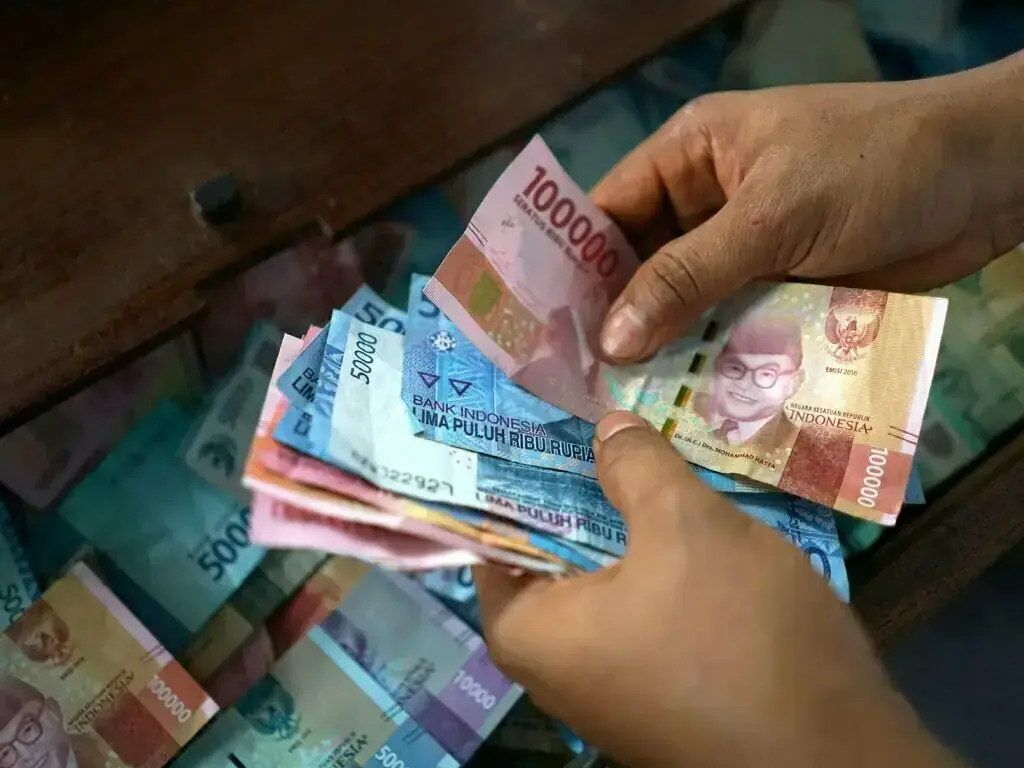
Elsewhere, the Singapore dollar lost 0.2 percent while the Indonesian rupiah eked out marginal gains in early trade. The rupiah has been struggling for a while now, having lost nearly 3 percent so far this year.




















Comments