


Iran pulling Hormuz ‘lever’ to maximum in US standoff
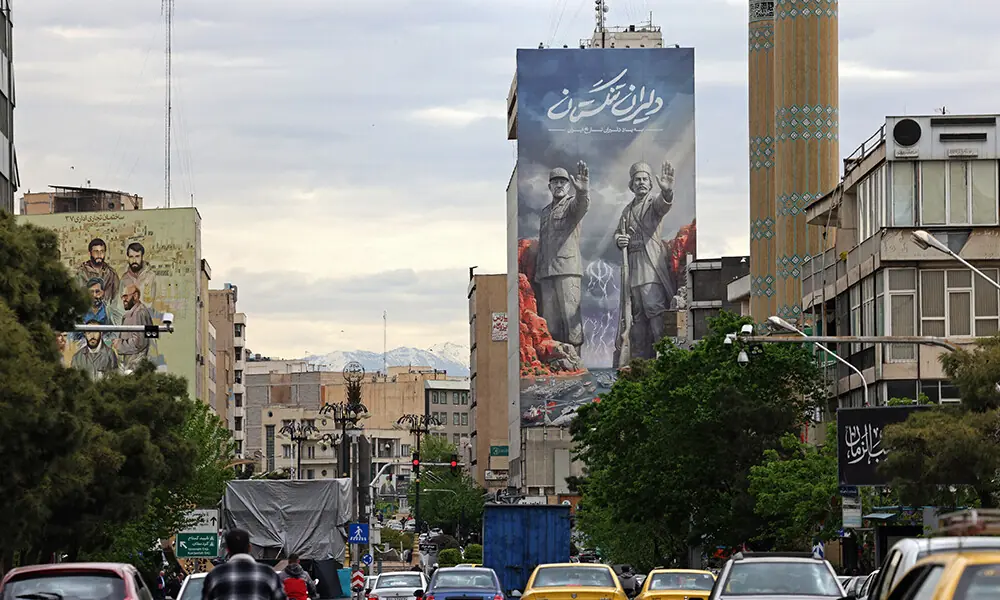

PARIS: Iran is banking on the Strait of Hormuz as its main card in any peace negotiations with the United States, but using the waterway as leverage is not without risk for the Islamic republic.
Iran had for decades talked up the threat of blocking the strait, which is a critical chokepoint for global energy supplies.
With the US and Israel launching a surprise war on Iran on February 28 and killing supreme leader Ali Khamenei, Tehran finally made good on those threats and brought the vital waterway to a standstill.
Since then, the United States has imposed its own blockade, bringing a halt to shipments of Iranian oil that had been spared from the closure.
The situation has caused economic turmoil worldwide.
European politicians fear spiking inflation, food shortages and flight cancellations as jet fuel runs out.
READ MORE: Oil prices rise 5% on fears of US-Iran ceasefire collapse
In much of Asia, home to the biggest buyers of Middle East oil and gas, energy prices have spiked while poorer nations have been outbid for scarce supplies leading to shortages. In Sri Lanka, energy prices have increased 40%.
The loss of vital fertiliser supplies, of which the Gulf is a major producer, is also expected to send food prices soaring in the developing world
‘Not going to leave’
While causing global economic pain gives Iran negotiating leverage, it can’t escape the blowback entirely, with the US blockade halting oil exports worth tens of millions of dollars each day.
READ MORE: Pakistan calls for swift restoration of normal shipping in Strait of Hormuz at UN
With the two-week ceasefire in the war due to run out this week, renewed conflict over the strait would also rattle a leadership trying to find its feet under new supreme leader, Khamenei’s son Mojtaba, who has yet to appear in public.
“The Strait is under the control of the Islamic republic,” said Mohammad Bagher Ghalibaf, the veteran of the Revolutionary Guards now serving as Iranian parliament speaker and seen as the chief negotiator in talks with the US.
“When they wanted to send minesweepers to clear mines, we stood our ground, we confronted them. We said these are ceasefire violations,” he said in remarks broadcast by Iranian television.
“We are here (in the Strait of Hormuz), we are not going to leave,” he added.
‘Who will blink first’
The blockade of Hormuz represented a switch in strategy for the Islamic republic, which had long brandished the threat without following through.
READ MORE: More than 20 vessels pass Strait of Hormuz on Saturday, Kpler data shows
After decades seeking to prevent Iran obtaining a nuclear weapon – an ambition the Islamic republic insists it does not have – as well as battling pro-Tehran proxies, the West now faces a new and potentially long-lasting problem.
“As long as Ayatollah Ali Khamenei was in power, the Islamic Republic at times sent mixed signals about its nuclear program and threatened to close the Strait of Hormuz, but stopped short of both,” said Ali Alfoneh, senior fellow at the Arab Gulf States Institute and author of “Political Succession in the Islamic Republic of Iran”.
“With Khamenei gone and the regime in an existential struggle, that restraint no longer holds,” he said, adding that “Iran’s nuclear doctrine may also be under revision”.
But he warned that the US counter-blockade on Iranian shipping in Gulf ports can also hurt the Islamic republic by cutting off its oil revenue at a time of intense economic vulnerability.
“The conflict is now a contest of endurance… Who will blink first?”
In his first major written statement since taking office, Mojtaba Khamenei on March 12 called for the use of “the lever of blocking the Strait of Hormuz”.
With possible new talks between Iran and the US in the coming days, Iran’s First Vice President Mohammad Reza Aref said on Monday that “security of the Strait of Hormuz is not free”.
“The choice is clear: either a free oil market for all, or the risk of significant costs for everyone.”
Analysts at the International Crisis Group think tank said Iran’s strategy for Hormuz was to signal it was open to diplomacy “but only on terms that show it has not suffered strategic defeat”.
But with the US naval blockade seeking to “override Iranian control instead of negotiating over it” the strait has turned from a “bargaining chip into a flashpoint for potential military escalation”.
























Comments