


Group of blanket-makers: LHC restrains ministries from initiating action
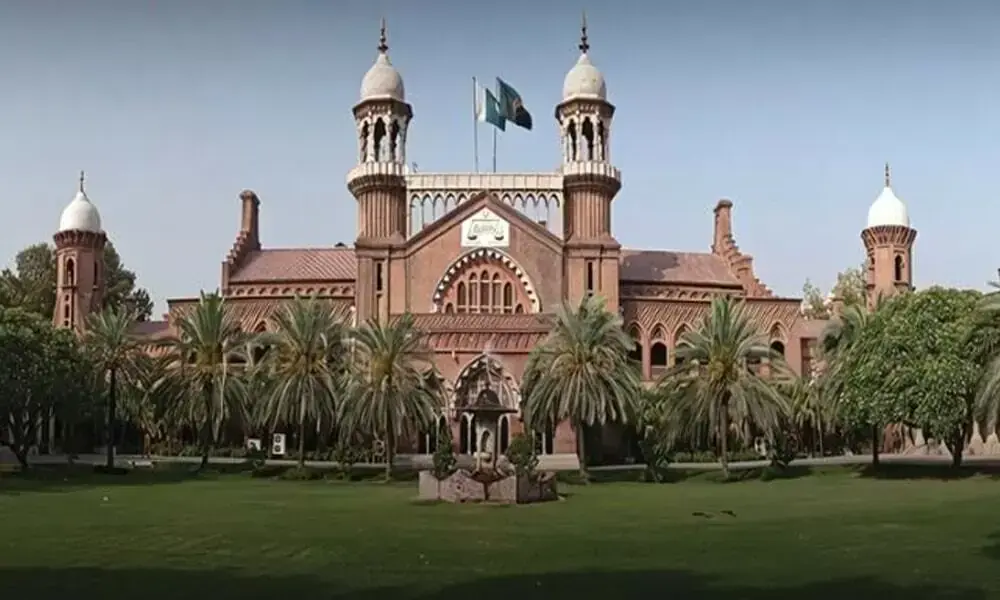

ISLAMABAD: The Lahore High Court restrained the Ministry of Commerce and the Ministry of Industries from taking coercive action (changes in tariff structure) against a group of blanket makers based on ‘confidential recommendations’ in the inquiry report of the National Tariff Commission (NTC).
Justice Jawwad Hassan, a judge of Lahore High Court, passed the direction on a petition filed by a group of blanket-makers, and issued notices to the secretaries of commerce and industry ministries and NTC.
The petitioner (Chez Tex Private Limited), aggrieved of a clandestine Inquiry Report of the NTC, filed a writ of Mandamus under Article 199 of the Constitution before the Lahore High Court, Rawalpindi bench to direct the NTC to disclose the portions titled “Recommendations” and “Implications” in the impugned report dated 22-12-25 about the rationalization of tariff structure of the blanket manufacturing industry.
According to Barrister Umar Ijaz Gilani, petitioner’s counsel, his client is engaged in the lawful business of manufacturing blankets and home-textile products, and is therefore directly affected by the tariff determinations made by the concerned authorities clandestinely.
He contends that Respondents No3 & 4 are business competitors of the petitioner in the same sector, adding that both the petitioner and its competitors import blanket fabric and thereafter undertake varying degrees of processing before marketing the finished products.
He submitted that Respondents 3 & 4 filed an application before the NTC under Section 9 of the National Tariff Commission Act, 2015, read with Rule 4 National Tariff Commission (Procedure) Rules, 2023, seeking a review and rationalization of the tariff structure applicable to blankets, semi-finished blankets and the raw material used in their manufacture, particularly white fabric utilized in the blanket production.
The NTC, in pursuance of the application, issued a notice intimating the initiation of an inquiry for the review of the tariff structure relating to blankets and their raw materials.
Gilani maintained that in connection with the same inquiry proceedings, a hearing was scheduled on 19-06-2025, but the same was ineffective and largely perfunctory in nature because it failed to provide a meaningful opportunity to the stakeholders likely to be affected by the proposed tariff adjustments.
He argued that recognizing its direct stake in the matter, the petitioner duly registered itself on 21-06-2025 as an “interested party” in the inquiry proceedings initiated by the NTC and thereafter submitted the requisite questionnaire along with relevant information in accordance with the procedure prescribed under the applicable legal framework but despite such participations, neither the petitioner nor other similarly placed importers have been afforded any meaningful hearing or participation in the proceedings thereafter.
He contended that through third-party sources, the petitioner learnt that the NTC had allegedly finalised and issued its Final Inquiry Report on 22-12-2025 relating to tariff rationalization. He submitted that the said report has neither been published on the official website of the NTC nor has any copy thereof been supplied to the petitioner or to other importers.
Gilani emphasized that the NTC has allegedly declared the portions of the report containing “Recommendations and Implications” as “confidential”, thereby withholding them from public disclosure and from the stakeholders who are directly affected by the regulatory measures proposed therein.
He argued that such classification of the most consequential portions of the report as confidential is wholly arbitrary, unlawful, and contrary to the principles of transparency and fairness. He submitted that the actions of the NTC directly offend the fundamental rights of access to information under Article 19A of the Constitution.
The case is adjourned until 9th April.
Copyright Business Recorder, 2026

























Comments
Comments are closed for this article.