


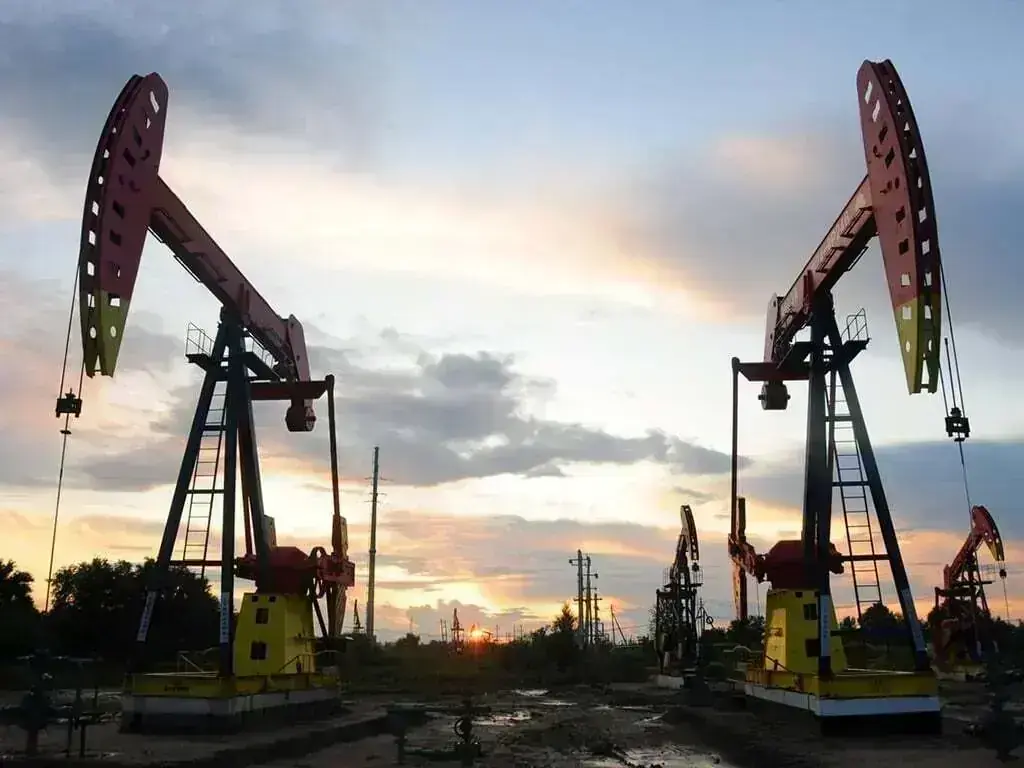

ISLAMABAD: Khyber Pakhtunkhwa has emerged as the country’s leading oil-producing province, contributing about 42 percent of total domestic output, while Sindh retained its position as the main natural gas-producing province, accounting for approximately 61 percent of national production, according to a report submitted by the Pakistan Oil and Gas Exploration Activity (POGEA).
The government is aggressively pivoting toward domestic energy production to meet rising demand amid the US-Israel war against Iran and the mounting concerns over disruptions inenergy supply.
According to recent data shared by Topline Securities, a combination of increased drilling activity and the restoration of curtailed supplies has provided a significant lift to the country’s energy profile.
According to the POGEA Report for February 2026, the production landscape remains diverse across the provinces, with Khyber Pakhtunkhwa and Sindh continuing to serve as the primary engines for oil and gas production:
Crude Oil: KP leads the nation with 42 percent share, followed closely by Sindh with 39 percent share, Punjab with 18 percent share, and Balochistan with 1 percent share.
Natural Gas: Sindh retains the dominant position with 61 percent share, followed by Balochistan with 21 percent share, KP with 15 percent share, and Punjab with 3 percent share.
Crude oil production improved by 3 percent on a month-on-month basis and 2 percent on a year-on-year basis, whereas natural gas production increased by 11 percent on a month-on-month basis and 2 percent on a year-on-year basis.
In a significant move to stabilize the energy grid, the government recently restored 350 mmcfd of curtailed domestic gas. This volume had previously been restricted to manage “line-pack” pressure—a technical adjustment made to accommodate surplus LNG imports. By reintegrating this domestic supply, the government is prioritizing local resources to alleviate energy shortages.
Copyright Business Recorder, 2026



















Comments