


Pakistan fuel supplies stable despite Middle East oil turmoil, PM aide tells Bloomberg
- Recent increase in petroleum and diesel prices has hit the Pakistani consumer ‘really hard’, says Zaidi
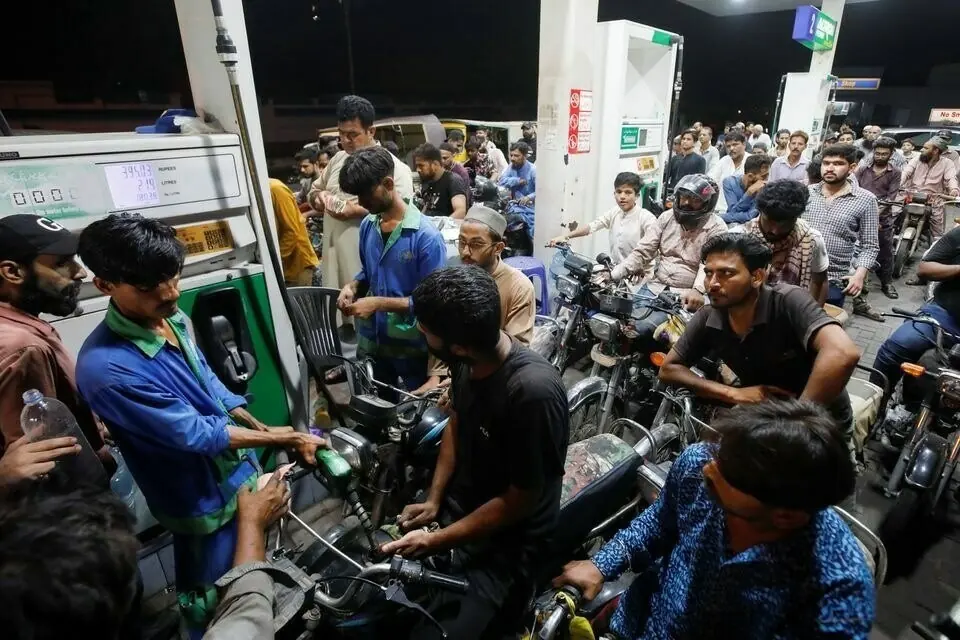

Despite rising global oil market volatility amid tensions in the Middle East, Pakistan’s fuel supply chains remain stable, said Mosharraf Zaidi, Prime Minister’s Spokesperson for Foreign Media, assuring that authorities are focused on preventing any shortages while taking measures to manage the impact of higher petroleum prices on consumers.
“The situation in terms of supply chains and stocks and active contracts where we know shipments are on the way… things are stable to good,” said Zaidi while talking to Bloomberg News on Wednesday.
He said that the recent increase in petroleum and diesel prices has hit the Pakistani consumer ‘really hard’. “There’s a lot of concern,” he said.
Last week, the government announced a Rs55 per litre hike in the price of petrol and high-speed diesel each.
Consequently, the ex-depot high-speed diesel rate has been fixed at Rs335.86 per litre while the ex-depot petrol price has been revised to Rs321.17 per litre from Rs266.17 per litre, with an increase of 17%.
Mosharraf explained that the government’s priority is preventing shortages.
“The real task for us in Pakistan is to make sure no matter what the price is, at the gas station, on the street… the Pakistani consumer doesn’t have to face any kind of cataclysmic or dangerous shortage of fuel or supplies.”
Oil falls on report of IEA proposing biggest oil release ever
He maintained that the early increase in fuel prices has helped to cushion supply chains.
“What we’ve done is that we have mitigated against the risk of prolonged crisis by taking difficult decisions right at the top. Pakistan might have been one of the first countries in the world to increase fuel prices in anticipation of what was about to happen.
“That’s cushioned Pakistan in terms of our supply chain certainty because our OMCs and the people responsible for maintaining stocks have the cushion they need to make sure the different supply chains they have to pursue.”
Explaining the shipping timelines, Mosharraf said that fuel takes 5-6 days to enter Pakistan due to its proximity to the region, “but because of the Strait of Hormuz, those supply chains are closed”.
Whereas, alternate routes could take 18–20 days due to disruptions around the Strait of Hormuz. “That really creates a gap,” he said.
Pakistan on Monday unveiled a comprehensive national austerity policy intended to reduce government spending, which Prime Minister Shehbaz Sharif termed as essential to conserving fuel in light of the global energy crisis, amid the ongoing Middle East conflict following the US-Israel strike on Iran.



















Comments