


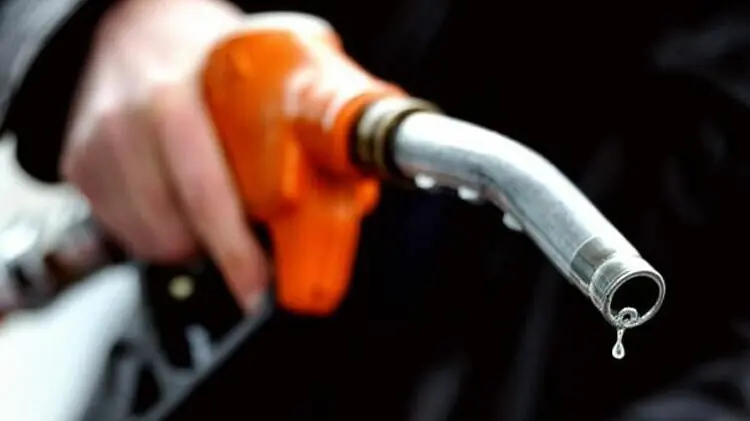

KARACHI: Exporters and industrialists have rejected the government’s decision of surge in petroleum product prices by Rs55 per litre, warning that the move will significantly raise industrial production costs and deal a serious blow to Pakistan’s exports, while also affecting the prime minister’s “Uraan Pakistan” vision.
Business leaders said the sharp increase in fuel prices would raise transportation, energy and raw material costs, making Pakistani products less competitive in international markets.
Former president of the Federation of Pakistan Chambers of Commerce and Industry (FPCCI), Zubair Tufail said the global economy is already facing uncertainty and that countries need prudent economic decisions to navigate the difficult period.
He said the sudden Rs55 increase in petroleum prices would severely affect industrial production and could raise the cost of production for export-oriented industries by up to 10 percent.
According to him, Pakistani products are already facing stiff competition in global markets and the growth of exports has become increasingly difficult. The rise in fuel prices would further increase pressure on export industries.
READ ALSO: PTI criticises govt for hiking oil prices
Tufail also pointed to rising global tensions between the United States and Iran, saying the situation could have damaging consequences for the global economy. He said shipping line freight charges had doubled overnight, while insurance companies had started withdrawing coverage for shipments, creating uncertainty for importers.
Meanwhile, leading exporter and former chairman of the Pakistan Readymade Garments Manufacturers and Exporters Association (PRGMEA), Ijaz Khokhar, said the increase in petroleum prices had affected almost every sector, with industries bearing the largest burden.
He noted that many small and medium-sized industries in Sialkot provide pick-and-drop transport facilities to employees, but maintaining such services would become difficult under the current circumstances.
Khokhar said the rise in petroleum prices would also push up electricity and gas tariffs, further increasing the cost of industrial production. He warned that the decision could undermine the government’s efforts to boost economic growth under the “Uraan Pakistan” initiative.
He added that Pakistani industries are already struggling to compete in global markets and exports are declining, making it even harder to retain international buyers after the latest increase in fuel prices.
Khokhar urged the government to announce a special support package for exporters or consider adjusting the value of the rupee to provide relief to the export sector. He said the apparel sector would be among the hardest hit because it is a value-added industry, while the sports goods sector could also face difficulties as key raw materials used in football manufacturing would become more expensive.
He also called on the government to explore alternative sources for petroleum supplies, including imports from Russia, and to reduce official expenditures and protocol-related costs to ease the economic burden.
Rafique Suleman former Chairman Rice Exporters Association (REAP) has also rejected the hike in the petroleum products and said that rice exports are already on decline due to stiff Competition in the world market.
With the current hike in petroleum prices, the cost of production will increase as transport is major component of the rice exports, he added. He demanded special relief for the export oriented industries to survive in the international market.
Copyright Business Recorder, 2026



















Comments