


SBP’s prudent path: hold rates, embrace hawkish tone amid geopolitical risks


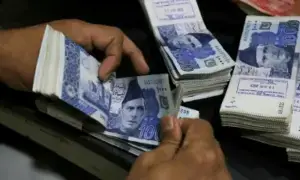
The Monetary Policy Committee is meeting today to decide the direction of the policy rate. It is crystal clear that rates have bottomed out and, for now, can only move upwards.
The latest increase in petroleum prices, not yet fully passed through, is a major shock, and if the war continues, more spikes are likely.
Pakistan does not have enough external buffers, and the economy cannot absorb such shocks without adjustments. Flexibility in both monetary and, especially, exchange rate policies is required.
There are uncertainties around the ceasefire. If Trump decides to end the war, oil prices will tank immediately. However, supply chain disruptions would take some time to settle before reaching a new normal. In that case, there might not be an immediate need to increase the rate. But if tensions in the region remain elevated, a policy rate increase is inevitable.
Thus, today the SBP can maintain interest rates at the current level of 10.5 percent. However, the monetary policy tone must be hawkish, with some possible votes for a rate increase. SBP should leave room for an emergent meeting in case oil prices move further up, so that it can increase the policy rate before the next scheduled announcement.
Market yields and surveys show that interest rates have bottomed out. According to the CFA Society survey, 26 percent of participants expect monetary tightening, at least by 50 bps (basis points), in March, while over 60 percent think the rate will be jacked up by June. Secondary market yields on 5-year paper are up by 120 bps since the last monetary policy, and the trend is similar across all tenors.
Interestingly, there are no takers for a rate cut, unlike the last policy review when around 80 percent were expecting one.
However, the SBP had shown prudence and good foresight by maintaining the policy rate at 10.5 percent, as suggested by BR Research. There were fears of war back then. Today, that is a reality.
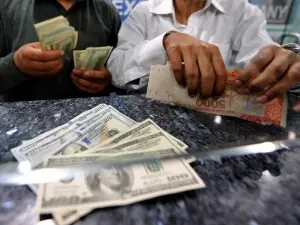
SBP should demonstrate similar prudence in managing the exchange rate. It should resist political pressure from the twin cities of Islamabad and Rawalpindi to maintain a sticky exchange rate. The argument that the SBP had bought $24 billion in the last two to three years from the interbank market is not enough to glue the PKR/USD at 280. Despite the SBP’s aggressive buying, the increase in net external debt and liabilities in 2025 was higher than the increase in SBP forex reserves.
Even if the war ends this week, there would be lingering effects from supply chain disruption. Gas and some other commodity prices may remain high for a few months. Pakistan’s exports to the Gulf region, including meat and other items, are going to suffer. Supply chain bottlenecks may also affect the prices and availability of commodities other than energy. Then there is the risk that rollovers of debt from Gulf countries may become more difficult.
All this is going to have a net negative impact on the overall balance of payments. Current account slippages are likely and, if the Strait of Hormuz remains closed for a few weeks and oil prices move further up, the day may not be far when SBP starts import rationing again, a deja vu of 2022. GDP growth forecasts have already been revised up, and LSM has been exhibiting close to double-digit growth in the last couple of months.
All these factors are already pushing imports up, while exports have been stagnating anyway. The current account is being managed by the upbeat momentum of inward home remittances. These flows are likely to remain high in the short term, especially due to seasonal factors. However, there is going to be a dent in the economies of the Middle East, from where more than 50 percent of Pakistan’s remittances come, and that could adversely affect incoming flows.
To manage the current account in the medium term and avert another crisis, SBP should remain vigilant and let go of its exchange rate fixation policy. It may be healthy to allow a few percentage points of adjustment to lower the recovery in domestic demand, especially when the commodity price outlook is uncertain.
The bottom line is that there is no expectation of a rate cut in the foreseeable future. Whether there is an increase, and by how much, will depend on the actual buildup of inflation. Throwing out numbers can be deceptive. It is best to be cautious and observe carefully. One thing is for sure: belt-tightening is required, and growth must take the back seat.
Copyright Business Recorder, 2026
Ali Khizar is the Director of Research at Business Recorder. His Twitter handle is @AliKhizar














Comments