


Pakistan voices concern over Canada-India nuclear deal
- Says this would accelerate growth of India’s nuclear arsenal
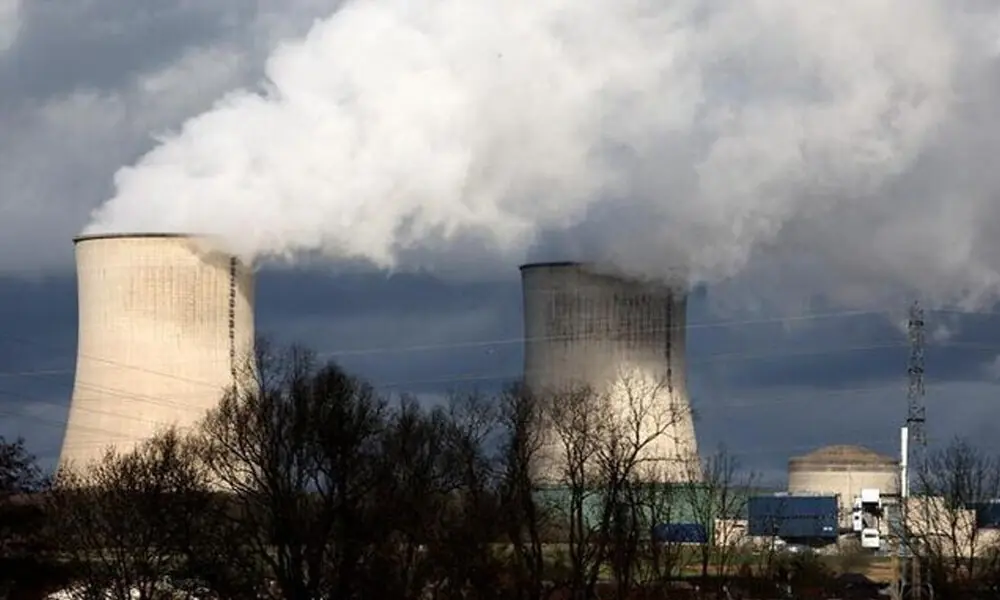

Pakistan has expressed serious reservations regarding the newly concluded uranium supply and nuclear reactor technology agreement between Canada and India, describing it as a “selective exception” that threatens regional stability and global non-proliferation norms.
The development comes as Canada and India agreed on a $2.6 billion uranium deal and will work on building small modular nuclear reactors and advanced reactors, as confirmed by both sides on Monday.
“In civil nuclear energy, we have concluded a landmark deal for the long-term supply of uranium,” Indian Prime Minister Narendra Modi said.
Carney on route to Asia to promote Canada trade as US ties falter
The Indian government and Canada’s Cameco have signed a uranium supply agreement to support India’s nuclear ambitions and to work towards a clean, reliable base load power, Canadian Prime Minister Mark Carney added.
In response to media queries on Thursday, Ministry of Foreign Affairs Spokesperson Tahir Andrabi stated that Islamabad is closely monitoring the long-term uranium supply agreement, which includes potential cooperation on small modular reactors and advanced reactor technologies.
The Foreign Office highlighted the historical irony of the arrangement, pointing out that India’s 1974 nuclear test — conducted using plutonium from a Canadian-supplied reactor — was the primary catalyst for the creation of the Nuclear Suppliers Group (NSG).
The spokesperson noted that it is contradictory for a state whose actions necessitated global export controls to now be granted preferential access. Furthermore, he emphasised that India has not placed all its civilian nuclear facilities under International Atomic Energy Agency (IAEA) safeguards, nor has it made any binding commitments to do so under this new deal.
Pakistan warned that the agreement carries troubling strategic consequences. By securing external uranium supplies for its civilian programme, India is effectively able to divert its limited domestic reserves toward military use.
The FO stated this would enable the expansion of fissile material stockpiles and accelerate the growth of India’s nuclear arsenal.
Such a shift would deepen existing strategic asymmetries in South Asia and undermine Canada’s own obligations to international non-proliferation frameworks, it maintained.
Reiterating Pakistan’s long-standing position, the spokesperson called for a criteria-based, non-discriminatory approach to civil nuclear cooperation. He argued that selective exceptions for non-NPT states diminish the credibility of global frameworks and risk further destabilising both regional and international peace and security.



























Comments
Comments are closed for this article.