


Rising Middle East conflict sparks energy, freight uncertainty for Pakistan’s textile sector: APTMA
- For export-led economies like Pakistan, volatility in oil, gas, and shipping costs directly impacts industrial competitiveness, says APTMA
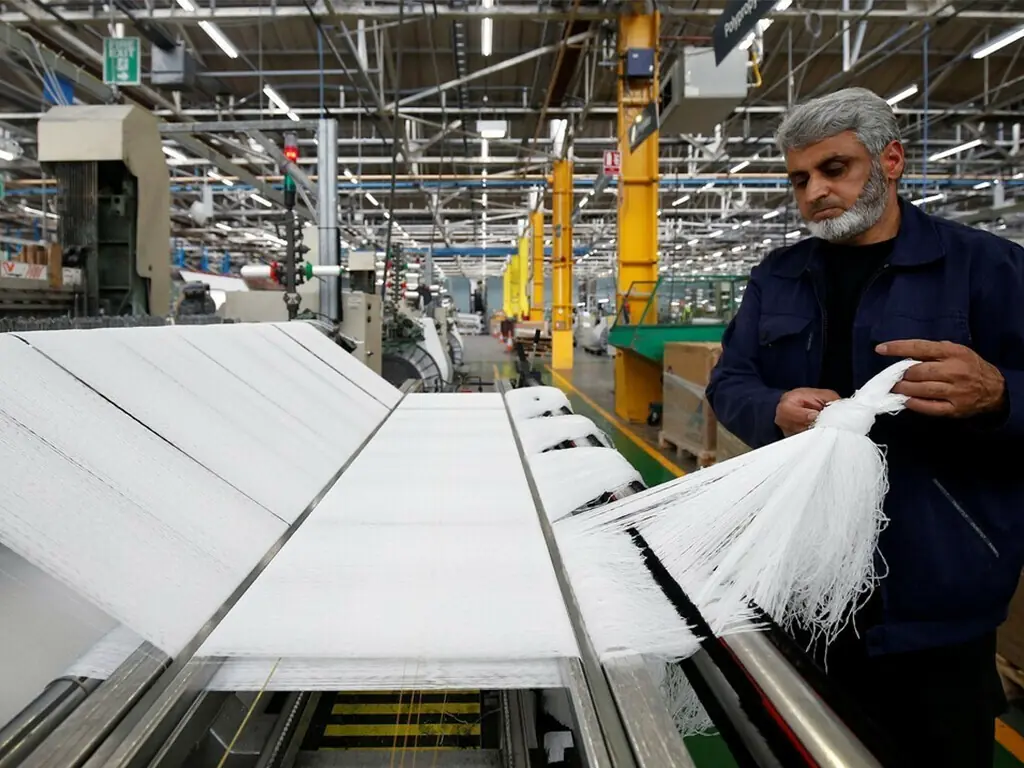

The All Pakistan Textile Mills Association, the country’s largest industrial body, has cautioned that rising global tensions are once again injecting uncertainty into energy and freight markets, posing renewed risks to Pakistan’s export competitiveness.
“Global tensions are once again pushing energy and freight markets into uncertainty,” APTMA said in a statement on Monday.
It noted that for export-led economies like Pakistan, volatility in oil, gas, and shipping costs directly impacts industrial competitiveness.
“Pakistan’s textile sector operates in a highly price-sensitive global market. Therefore, even a small increase in RLNG and fuel costs, freight and insurance premiums, and working capital pressures can materially affect export margins.”
The caution comes after Israel launched a new wave of strikes on Tehran on Sunday and Iran responded with more missile barrages, a day after the killing of Supreme Leader Ali Khamenei pitched the Middle East and the global economy into deepening uncertainty.
The attacks exposed ships to collateral damage as missiles hit at least three tankers off the Gulf coast and killed one seafarer, shipping sources and officials said on Sunday.
Iran has said it has closed navigation through the Strait of Hormuz, prompting Asian governments and refiners - key buyers - to assess oil stockpiles.
Meanwhile, APTMA highlighted that the domestic industry is already navigating high input costs, and policy stability and competitive energy pricing become even more critical.
Although external shocks are beyond our control, the domestic cost structure is not, it said.
“Ensuring predictable and competitive industrial energy tariffs must remain a national priority to safeguard exports and employment,” it said.



























Comments
Comments are closed for this article.