


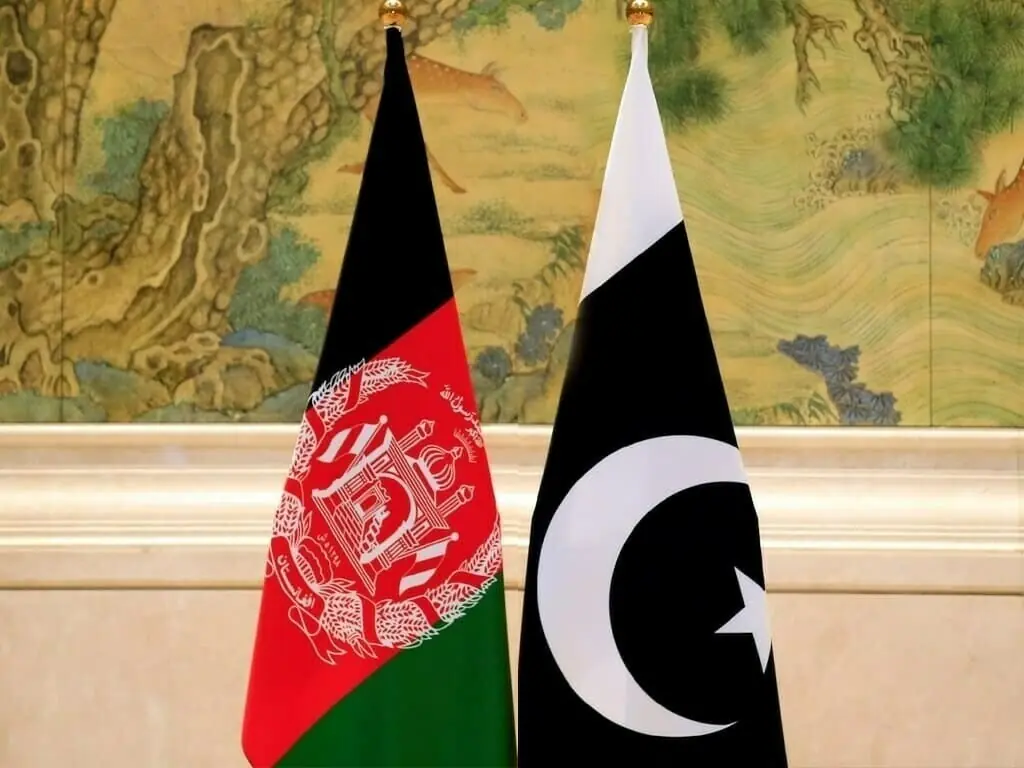
EDITORIAL: In candid remarks during his recent visit to Berlin, Khawaja Asif once again placed Afghanistan and Pakistan’s uneasy history at the centre of debate. In interviews with Deutsche Welle and France 24, he warned that Islamabad would not hesitate to launch air operations inside Afghanistan against the Tehreek-e-Taliban Pakistan (TTP) terrorists. Military action, he said, “remains on the table” until Kabul offers meaningful assurances of peace. The statement underscores how fragile the western frontier remains despite repeated efforts at normalisation.
The defence minister also described relations between Delhi and Kabul as “pretty cosy” these days and said that militants targeting Pakistan are being sponsored by India, implying a strategy of regional encirclement. Such assertions are not new, but they show Islamabad’s growing frustration with cross-border attacks. Notably, however, Khawaja Asif acknowledged that history casts a long shadow over the present situation. “It’s a price we are paying,” he averred, referring to Pakistan’s policies during the 1980s under the military regime of Gen Zia, when Islamabad partnered with the US in its war in Afghanistan against the erstwhile Soviet Union; and again after 9/11 under Gen Musharraf, when Pakistan joined the US-led campaign against the Taliban regime. That historical context, he conceded, plays a significant role in the present tensions.
Khwaja Asif has made similar observations in recent weeks, including on the floor of the National Assembly, even at the risk of personal discomfort. His father served as nominated chairman of the Majlis-e-Shoora and in other senior positions during the Zia era. The minister has tried to distance himself from that legacy, publicly apologising for it. Yet the broader question persists: what has truly changed? Threatening cross-border air strikes is understandable as the TTP continues to mount deadly attacks inside Pakistan. Complicating matters further is Pakistan’s renewed engagement with Washington at a fraught time.
READ MORE: Asif says militancy in Balochistan patronised by India, Afghanistan
The minister brushed aside domestic criticism of these ties, describing it as a critical partner despite what he termed a historically “flirtatious” relationship that has gone “up and down.” At the same time, he insisted that the “common man” understands the diplomatic compulsions of maintaining relations with a global power. Public understanding, however, does not automatically translate into public trust.
Acknowledging history is important; learning from it is essential. Khawaja Asif’s frankness is a welcome beginning. But candour must be matched by clarity. Without proper discussion and debate in Parliament of policy roadmap, reassurances about global partnerships risk sounding like echoes of an all-too-familiar past.
Copyright Business Recorder, 2026























Comments
Comments are closed for this article.