


India drops small car concession in new fuel emission rules
- They introduce “a substantially steeper reduction pathway” for emissions
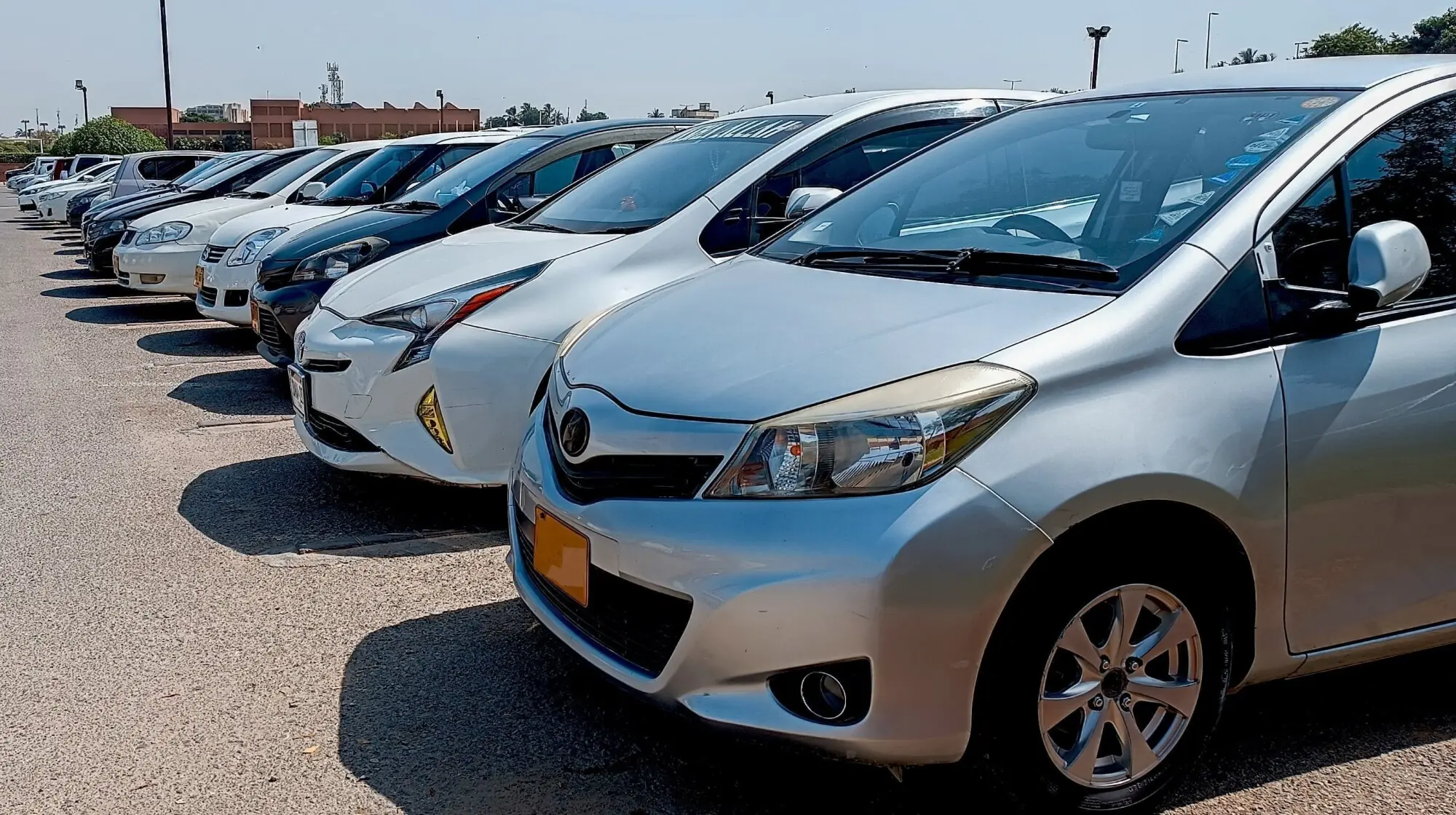

NEW DELHI: India has scrapped a planned concession for small cars in upcoming fuel-efficiency rules after automakers including Tata Motors and Mahindra & Mahindra argued it would benefit only one company, a government document shows.
A September draft had proposed leniency for petrol cars weighing 909 kg (2,004 lb) or less - a carve-out widely seen as favouring Maruti Suzuki, which controls 95% of India’s small-car market.
India’s Power Ministry has now removed that exemption and tightened other parameters, increasing pressure on all automakers to ramp up electric and hybrid car sales, according to the latest 41-page draft reviewed by Reuters.
The new rules curb over-compensation for vehicle weight, aim to level the field between light and heavy fleet manufacturers, and are designed to deliver real-world efficiency gains, the document said.
They introduce “a substantially steeper reduction pathway” for emissions, it added.
The power ministry did not respond to a request for comment.
India’s Tech Mahindra beats quarterly revenue view on manufacturing strength
Promoting electric, hybrid models
Transport accounts for about 12% of India’s energy use and is a major driver of petroleum imports and carbon emissions. Passenger vehicles make up nearly 90% of transport-related emissions, the document says.
Corporate Average Fuel Efficiency norms dictate permissible CO2 emissions across a manufacturer’s fleet of passenger cars weighing less than 3,500 kg (7,716 lb). Updated every five years, they push automakers towards cleaner technologies including electrification, compressed natural gas and flex-fuel.
The new rules will apply from April 2027 for five years and are central to automakers’ product and powertrain investment plans. It was not immediately clear when the rules will be finalised.
The September draft would have allowed fuel-consumption targets to rise faster with vehicle weight, easing compliance for makers of heavier cars such as Mahindra, Tata and Volkswagen, while tightening demands on lighter-fleet players such as Maruti. That imbalance prompted the carve-out.
The revised plan reduces the extent to which heavier vehicles gain more relaxed targets.
“Manufacturers with heavier fleets … are required to achieve stronger intrinsic efficiency improvements,” the document said.
A credit system will reward companies that sell more EVs and plug-in hybrids, and pooling of fuel-consumption performance between companies will be allowed. Non-compliance will draw penalties of up to $550 per car.
The revised plan aims to cut average fleet emissions to about 100 grams/km over the five years to March 2032 from 114 grams/km. With credits, that could fall to as low as 76 grams/km if electric models reach 11% of total car sales by 2032.





















Comments
Comments are closed for this article.